Introduction
In today ' s society, inter-generational interaction is critical to promoting mutual understanding, respect and strengthening of family and community ties. Projects aimed at fostering intergenerational relationships play a crucial role in promoting harmony and understanding among people of different ages. In this article, we will explore different projects aimed at strengthening intergenerational relations, their importance, benefits and how they can contribute to creating more united and resilient communities.
History and Background
The concept of intergenerational relations has been present throughout the history of humanity, but has gained greater relevance in modern times. From traditional family structures to contemporary communities, interaction between generations has played a crucial role in transmitting values, knowledge and experiences.
Projects focused on strengthening these relationships have evolved in order to address specific challenges that arise in changing social contexts. From intergenerational mentoring programmes to community initiatives, efforts have been made to strengthen intergenerational links to promote mutual understanding and personal enrichment.
Analysis in Deep
Benefits of Intergenerational Relations
Intergenerational relationships offer a number of significant benefits both individually and collectively. These interactions foster knowledge sharing, solidarity and emotional support, which contributes to reducing loneliness and isolation in the elderly population. In addition, they promote the development of interpersonal skills in the youngest, instilling values of respect and empathy.
Current Challenges and Trends
Despite the many benefits they bring, intergenerational relationships also face challenges in contemporary society. The generation gap, changes in family structures and the influence of technology on forms of communication are some of the challenges that can hinder the building of solid relationships between generations. However, new trends, such as integrating technology into intergenerational programmes, offer opportunities to overcome these challenges and strengthen links between different age groups.
Comprehensive review
Successful Applications of Intergenerational Projects
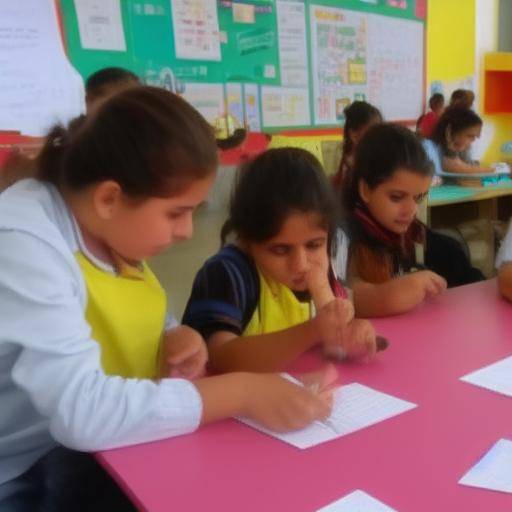
Various intergenerational projects have proved to be effective in strengthening intergenerational ties. Educational programmes involving students and older persons, intergenerational recreational activities and intergenerational collaborations in the workplace are examples of successful initiatives that have promoted mutual understanding and personal enrichment.
Future Expert and Prognostic Perspectives
Experts in the field of intergenerational relationships agree on the importance of promoting the active participation of people of different ages in projects and activities that foster mutual interaction and learning. In addition, they predict a growing momentum towards the development of innovative initiatives that build on the diversity of experiences and knowledge that each generation brings.
Comparative analysis
To compare and contrast different intergenerational projects allows to identify relationships, differences and synergies between them. Some projects can focus on the transmission of traditional knowledge, while others focus on the integration of technology to facilitate intergenerational communication. Acknowledging these variations is critical to designing effective projects that address the specific needs of communities and foster strong intergenerational relationships.
Practical Tips and Recommendations
Keys to Implement Effective Projects
Some practical tips for implementing intergenerational projects include setting clear objectives, engaging stakeholders actively, adapting activities to the interests of different generations and fostering an environment of respect and openness to dialogue. These recommendations are critical to ensuring the success of projects and maximizing their positive impact on intergenerational relationships.
Industry Perspectives and Expert Reviews
Interviews with specialists in gerontology, sociology and community development provide an expert insight into the importance of strengthening intergenerational relationships in today's society. These perspectives highlight the individual and collective benefits of intergenerational projects, as well as effective strategies for their successful implementation.
Case Studies and Practical Applications
Case studies provide concrete examples of how intergenerational projects have transformed communities, educational institutions and working environments. In analyzing these practical applications, key lessons, measurable impact and good practices that can inspire the planning and implementation of future projects are revealed.
Future Trends and Predictions
Emerging trends in intergenerational projects aim at integrating innovative approaches, such as the active involvement of the community in project planning and implementation, the use of online platforms for intergenerational connections and the design of programmes adapted to cultural and social diversity. These trends show the potential to strengthen intergenerational relationships in a constantly evolving world.
Key findings
In short, projects to strengthen intergenerational relations play a vital role in promoting understanding, mutual respect and solidarity in diverse communities. By fostering the active participation of people of all ages in significant intergenerational activities, bridges are built that transcend generational barriers and enrich the lives of individuals and society as a whole.
Frequently asked questions
What are the benefits of implementing intergenerational projects?
Intergenerational projects offer a variety of benefits, such as the transmission of knowledge and values, the reduction of social isolation in older persons, the development of interpersonal skills in young people, and the promotion of empathy and mutual understanding.
How to overcome the challenges in the implementation of intergenerational projects?
Some strategies to overcome challenges include adapting projects to changes in the family structure, integrating technology to facilitate intergenerational interaction and promoting understanding of generational differences to foster harmony.
What are the current trends in intergenerational projects?
Current trends include the integration of technology into intergenerational initiatives, the approach to cultural and social diversity, and the growing involvement of the community in project design and implementation.
What impact do intergenerational projects have on communities?
Intergenerational projects have a positive impact on communities by strengthening family and community ties, reducing social isolation in the elderly population, and promoting greater understanding and respect among generations.
What are the key aspects to consider when designing intergenerational projects?
In designing intergenerational projects, it is essential to consider the interests and needs of each generation, to promote the active participation of people of all ages, and to create an environment of respect and openness to intergenerational dialogue.
How can organizations foster intergenerational relationships in their environments?
Organizations can foster intergenerational relationships by implementing mentoring programs, facilitating collaboration between different age groups, and promoting the integration of intergenerational practices in organizational culture.
In conclusion, projects to strengthen relations between different generations are essential to foster solidarity, mutual understanding and personal enrichment in today ' s society. By promoting the active participation of people of all ages in significant intergenerational initiatives, bridges are built that strengthen the social fabric and promote harmonious and resilient coexistence.