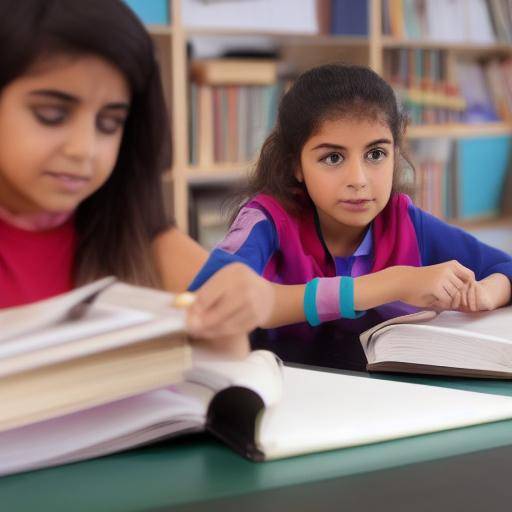
Self-esteem is a fundamental component in the personal development of individuals, and its influence on education is undeniable. Self-esteem influences how students perceive their own value, skills and potential, which in turn can significantly impact their academic performance. That is why strengthening self-esteem in the classroom is a priority for educators and teaching professionals. In this article, we will explore various strategies to strengthen self-esteem in the classroom, as well as its importance, practical applications and future trends.
Introduction
Self-esteem plays a central role in the integral development of students. Strong self-esteem not only contributes to better academic performance, but also promotes healthy interpersonal relationships, resilience to challenges and greater motivation for learning. In this regard, strengthening self-esteem in the classroom represents a commitment to the emotional well-being and positive development of students.
Throughout this article, we will explore concrete strategies that can be implemented in the educational environment to promote healthy self-esteem among students. From specific pedagogical approaches to practical tools and resources, our goal is to provide educators and teaching professionals with a solid framework to promote positive self-esteem in the classroom.
History and Background
To fully understand the importance of strengthening self-esteem in the educational environment, it is crucial to explore the historical background that has influenced the current perspectives on self-esteem in the academic realm. From the first psychological studies on self-esteem to contemporary theories on personal development, the evolution of this concept has been closely linked to the education and emotional well-being of students.
Origins and Evolution
The modern notion of self-esteem has its roots in the pioneering work of psychologists such as William James and Sigmund Freud, who explored the importance of self-image and self-worth in people's emotional life. Throughout the twentieth century, figures like Abraham Maslow and Carl Rogers contributed to the development of humanistic theories that highlighted self-esteem as a central element in self-realization and personal growth.
In the educational context, research by pioneers such as John Dewey and Lev Vygotsky laid the foundation for understanding the importance of self-esteem in the learning process. His theories on cognitive and social development emphasized the influence of self-valuation on student motivation and academic performance.
Significant Milestones and Developments
Over the decades, the concept of self-esteem has been the subject of studies and research that have broadened our understanding of its influence on education. Researchers like Nathaniel Branden and Morris Rosenberg have helped define and measure self-esteem, providing tools and approaches that have been applied in educational contexts around the world.
In the modern era, the growth of positive psychology and the focus on emotional well-being has led to greater attention on promoting healthy self-esteem in educational settings. Developmental neuroscience and psychology have also provided new perspectives on how to strengthen self-esteem in the classroom effectively and sustainably.
Deep analysis
Strengthening self-esteem in the field of education brings significant benefits, but also challenges that require specific attention and strategies. By in-depth analysis of these aspects, we can identify opportunities to maximize the positive impact of strategies to promote healthy self-esteem among students.
Benefits and Opportunities
The promotion of self-esteem in the classroom not only results in greater emotional well-being, but also contributes to a more inclusive and enriching learning environment. Students with strong self-esteem tend to show greater confidence in their skills, willingness to face academic challenges and a more positive attitude towards learning. This, in turn, can generate a virtuous circle in which academic achievements and emotional well-being are mutually reinforcing, creating an enabling environment for the integral development of students.
In addition, strengthening self-esteem can contribute to the prevention of bullying and other problems related to self-image and self-worth. Students who feel safe and valued tend to be more resistant to intimidation and to establish healthier interpersonal relationships, which promotes a more positive and constructive school climate.
Challenges and Considerations
While promoting self-esteem in the classroom offers many benefits, it also poses challenges that need to be effectively addressed. One of the most common challenges is related to the diversity of profiles and experiences of students. Self-esteem can be influenced by family, socio-economic, cultural and personal factors, which requires flexible and diversity-sensitive strategies to ensure that all needs are addressed equitably.
In addition, the excess of praise without real foundation can cause a fragile self-esteem based on external approval, rather than an authentic self-esteem based on personal achievements. It is crucial to find a balance between emotional support and genuine recognition of the efforts and achievements of students, avoiding falling into dynamics that may have counterproductive effects on their emotional development.
Comprehensive review
Strengthening self-esteem in the classroom requires a comprehensive approach that integrates different dimensions and effective strategies. From specific pedagogical approaches to emotional management practices, it is important to thoroughly explore the range of options available to promote healthy and sustainable self-esteem in the educational environment.
Practices and Best Practices
Many practical strategies have proven to be effective in strengthening self-esteem in the classroom. For example, the implementation of teaching methods that promote autonomy, the sense of belonging and the recognition of individual achievements can help to strengthen students' self-esteem.
In addition, the integration of extracurricular activities that promote collaboration, leadership and creative expression can provide students with opportunities to develop personal and social skills that reinforce their self-esteem.
Attention to emotional management and the establishment of a climate of respect, empathy and mutual support are fundamental pillars for creating an enabling environment for strengthening self-esteem. Sincere praises, constructive feedback and the promotion of self-affirmation are powerful tools that can be used to nurture students' self-esteem significantly.
Future Outlook and Prognostic
The study and implementation of strategies to strengthen self-esteem in the classroom continue to evolve in response to the changing needs of students, as well as progress in understanding development psychology. It is anticipated that in the future innovative approaches to promoting self-esteem will continue to be explored and promoted with the development of socio-emotional skills, educational equity and resilience to emerging challenges.
Conclusions and FAQs
Conclusions
Strengthening self-esteem in the classroom is a fundamental pillar for the integral development of students. The benefits of promoting healthy self-esteem are significant and durable, and affect not only academic performance, but also emotional well-being and interpersonal relationships. Through concrete strategies, a comprehensive approach and a sensitivity to the diversity of experiences of students, educators can play a key role in promoting positive self-esteem among their students.
The commitment to strengthening self-esteem in the classroom is not only an educational responsibility, but also an opportunity to contribute to the emotional well-being and human development of future generations. By implementing effective and student-centred strategies, educators can cultivate an environment in which each student feels valued, motivated and prepared to face the challenges they will encounter throughout their lives.
Frequently asked questions
Why is it important to strengthen self-esteem in the classroom?
Self-esteem influences how students perceive their value and potential, which in turn affects their academic performance, emotional well-being and interpersonal relationships. Strengthening self-esteem in the classroom is critical to fostering an enabling environment for learning and comprehensive student development.
What practical strategies can be implemented to strengthen self-esteem in the classroom?
The establishment of a climate of respect, mutual support and recognition, the promotion of autonomy and the sense of belonging, as well as the integration of activities that foster personal and social skills, are examples of effective strategies to strengthen self-esteem in the educational environment.
How to address the diversity of experiences and profiles of students by strengthening self-esteem in the classroom?
It is crucial to adopt flexible and sensitive approaches to diversity, recognizing that self-esteem can be influenced by family, socio-economic, cultural and personal factors. The identification of strategies and the promotion of an inclusive environment are critical to meeting the unique needs and experiences of each student.
What is the role of feedback and praise in strengthening self-esteem in the classroom?
Constructive feedback, sincere praises and the promotion of self-affirmation are powerful tools to nurture student self-esteem. It is important that feedback and praise be based on real achievements and contribute to strengthening the personal trust and value of students.
How can the strengthening of self-esteem in the classroom contribute to the prevention of bullying?
Strong self-esteem can make students more resistant to school harassment and foster healthy interpersonal relationships. By promoting an environment of respect, empathy and mutual support, educators can contribute to the prevention of bullying and create a safer and more positive school environment.
What are the future forecasts about strengthening self-esteem in the educational field?
It is anticipated that in the future innovative approaches that integrate the promotion of self-esteem will continue to be developed.
With this article, we have comprehensively explored strategies to strengthen self-esteem in the classroom, from its historical background to practical applications and future trends. The commitment to promoting healthy self-esteem among students is a central aspect of educational leadership and increasingly relevant in today's society. We hope that this resource has provided educators and teaching professionals with the tools and perspectives necessary to foster an educational environment in which each student feels valued, motivated and prepared to achieve its maximum potential.