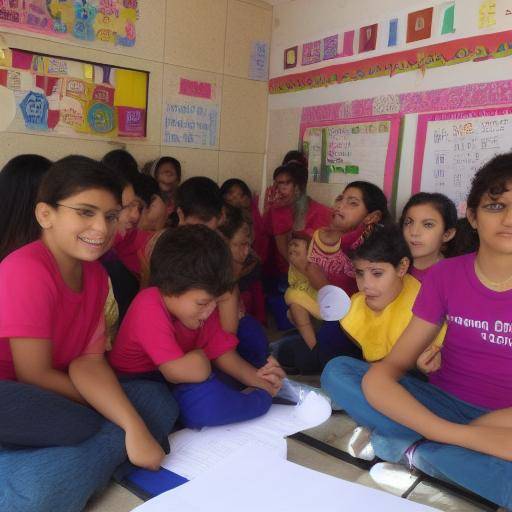
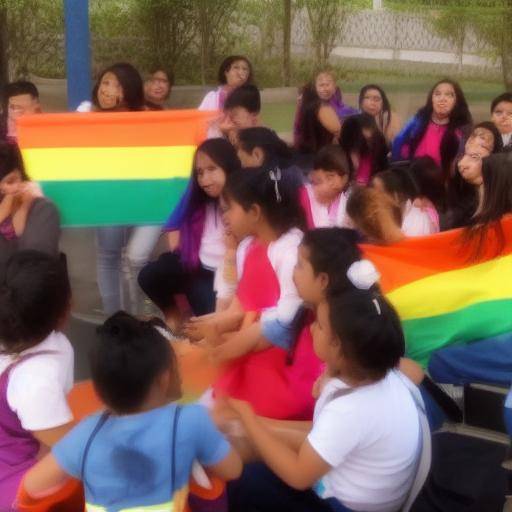
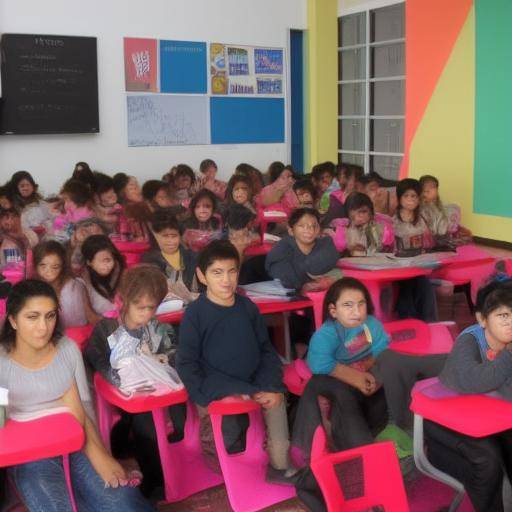
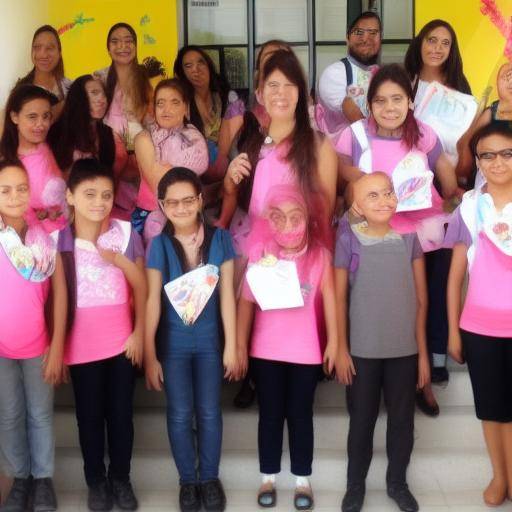
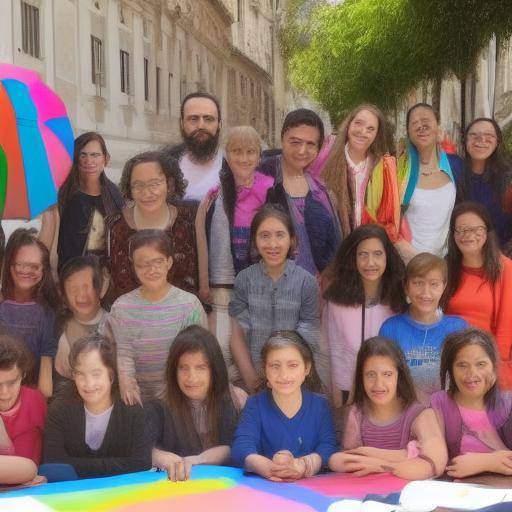
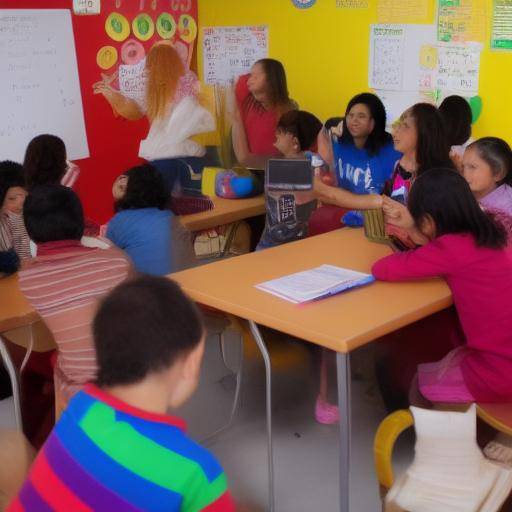
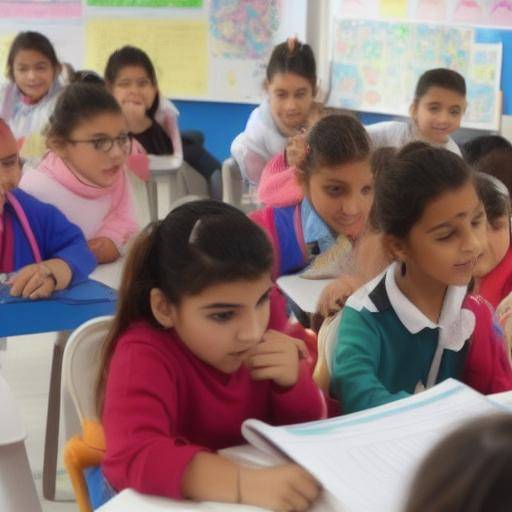
Education and cultural diversity are fundamental aspects of the development of children and young people in today ' s society. Integrating cultural diversity into school projects not only enriches learning, but also promotes inclusion, respect and understanding among students. In this article, we will explore how to educate about cultural diversity in school projects, from their history and background to their impact on current education and future trends. In addition, we will provide practical advice, case studies, and expert opinions to provide an integral vision of this important topic.
Introduction
The integration of cultural diversity in school projects is crucial to fostering an inclusive and empathic society. By educating students about different cultures, traditions and stories, understanding and appreciation of diversity are promoted. This not only enriches the educational experience of students, but also prepares future generations to live in an increasingly diverse and globalized world.
History and Background
Education on cultural diversity in school projects is rooted in the need to promote intercultural understanding and equality. From civil rights movements to global inclusive education initiatives, the importance of incorporating cultural diversity in the educational curriculum has been recognized.
Origins and Historical Significance
The recognition of cultural diversity as an essential aspect of education goes back to the struggles for equality and respect for human dignity in different parts of the world. From the Universal Declaration of Human Rights to movements for decolonization, cultural diversity has been a central theme in the evolution of educational policies.
Significant Evolution and Daughters
Over time, education on cultural diversity has seen significant progress, such as the implementation of multicultural education programmes, the promotion of linguistic diversity, and the inclusion of intercultural perspectives in the curricula. These milestones have helped to increase awareness and sensitivity to cultural diversity in the educational field.
Developments and Reflection Points
Globalization, migration and advances in technology have generated new challenges and opportunities in how cultural diversity is addressed in education. The growing interconnection between cultures and societies has led to the need for more inclusive and diverse educational approaches to prepare students for a changing and multicultural world.
Deep analysis
The inclusion of cultural diversity in school projects entails a number of benefits and challenges, as well as current trends that influence their practical implementation.
Benefits and Challenges
Education on cultural diversity in school projects offers a wide range of benefits, such as reducing prejudice and stereotypes, promoting empathy and solidarity, and preparing students to participate in a global working environment. However, it also poses challenges, such as resistance to the implementation of inclusive programmes and the lack of resources to support cultural diversity in the classroom.
Current trends
Current trends in education on cultural diversity reflect a more holistic and integrated approach that goes beyond mere tolerance towards the celebration and appreciation of diversity. The use of innovative educational resources, teacher training in intercultural competence, and collaboration with local communities are some of the emerging trends that are transforming the way cultural diversity is addressed in school projects.
Comprehensive review
The implementation of education on cultural diversity in school projects is carried out through studies and best practices, as well as expert views and future perspectives.
Applications and Best Practices
Approaches based on intercultural pedagogy, experiential learning and awareness through artistic activities are examples of best practices in education on cultural diversity in school projects. These strategies not only promote active learning, but also encourage appreciation and respect for cultural differences.
Opinions of Experts and Future Perspectives
Experts on education and cultural diversity agree on the importance of a deeper integration of diversity in the school curriculum. They also note the need to address inequities in access to inclusive and equitable education for all students. In the future, education on cultural diversity is expected to continue to evolve to reflect a more dynamic and contextualized approach that responds to the changing realities of the world.
Comparative analysis
Education on cultural diversity, education itself and school projects share similarities, but they also present differences that are important to explore for a comprehensive understanding.
Education on cultural diversity focuses on promoting respect for and assessing cultural differences, while education itself encompasses a wider range of knowledge and skills. School projects, on the other hand, are concrete opportunities to implement education on cultural diversity in a structured learning environment.
Practical Tips and Accessible Advice
The effective integration of cultural diversity into school projects requires specific strategies and concrete actions ranging from curriculum planning to daily interaction in the classroom.
In order to educate about cultural diversity effectively, it is essential to foster an inclusive school climate, incorporate diverse multimedia and literary resources, and promote the active participation of students in intercultural initiatives. These are just a few examples of practical strategies that can enrich the educational environment and promote greater understanding and appreciation of cultural diversity.
Perceptions of Industry and Expert Reviews
Understanding the perspective of the educational industry and receiving expert advice on cultural diversity can provide valuable insights on current best practices and trends in integrating cultural diversity into school projects.
Educational leaders and experts in cultural diversity agree on the importance of deliberate attention to diversity in the classroom and the need to develop programs and policies that foster an inclusive educational environment. In addition, they highlight the importance of teacher training in intercultural skills and the commitment of educational institutions to promote equity and cultural justice.
Case Studies and Practical Applications
Case studies provide concrete examples of how education on cultural diversity has been implemented in different school contexts, as well as the impact it has had on students and the educational community.
Through real examples, it is possible to see how the inclusion of cultural diversity in school projects has contributed to the creation of more enriching learning environments, where students develop a greater understanding of diversity and experience a sense of belonging. These case studies offer valuable lessons on how to effectively address cultural diversity in the educational field.
Future Trends and Predictions
The future of education on cultural diversity in school projects is marked by emerging trends and predictions based on the changing needs of globalized societies.
The integration of cultural diversity in school projects will continue to evolve in response to the demands of an increasingly diverse and global society. Greater emphasis is expected on the development of intercultural skills, the strengthening of collaboration with local communities and the adoption of more holistic educational approaches that reflect the complexity of cultural diversity.
Conclusions and FAQs
Conclusions
Education on cultural diversity in school projects plays a key role in promoting respect, understanding and assessing cultural differences among students. Through the integration of diversity into the school curriculum and the promotion of an inclusive educational environment, the foundations for the development of future generations prepared to live in a diverse and multicultural world are laid.
Frequently asked questions
1. Why is it important to educate about cultural diversity in school projects?
Education on cultural diversity in school projects is important because it promotes respect, empathy and intercultural understanding among students, preparing them to participate in a diverse and globalized society.
2. How does cultural diversity enrich the educational experience?
Cultural diversity enriches the educational experience by offering different perspectives, promoting creativity and critical thinking, and fostering a sense of inclusion and belonging in the educational environment.
3. What are some challenges in integrating cultural diversity into school projects?
Some challenges include resistance to the implementation of inclusive programmes, lack of resources to support cultural diversity in the classroom, and the need to address inequities in access to inclusive and equitable education.
4. How can teachers promote education on cultural diversity in the classroom?
Teachers can promote education on cultural diversity in the classroom by selecting diverse educational resources, incorporating intercultural activities, and creating an inclusive school climate that values and respects differences.
5. What is the role of the educational community in promoting cultural diversity in school projects?
The educational community plays a key role in supporting and collaborating in the implementation of inclusive programmes, encouraging the active participation of students in intercultural initiatives, and promoting a school culture that values diversity.
6. What are some future trends in education on cultural diversity in school projects?
Some future trends include a more holistic and integrated approach, the development of intercultural competencies, the strengthening of collaboration with local communities, and the adoption of educational approaches that reflect the complexity of cultural diversity.
In short, educating about cultural diversity in school projects is essential to cultivate an inclusive educational environment and prepare students to live in a diverse and globalized world. By integrating diversity into the school curriculum and promoting an environment that celebrates and values cultural differences, the development of a more equal and empathic society is encouraged.
With this, readers are encouraged to explore more about this issue and to implement inclusive educational practices to promote an enriching and equitable education for all students. The future of education on cultural diversity in school projects is an opportunity to cultivate a more diverse and understanding world!