Introduction
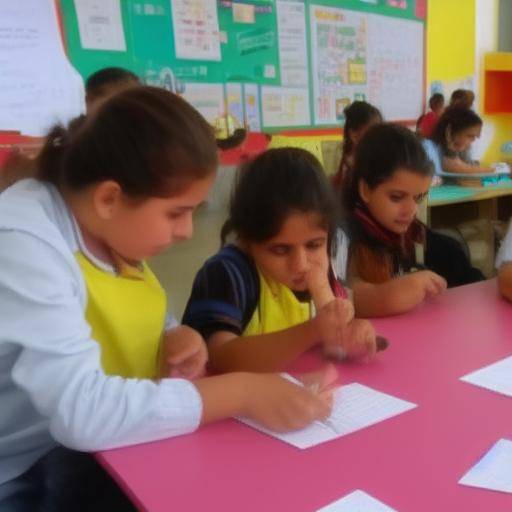
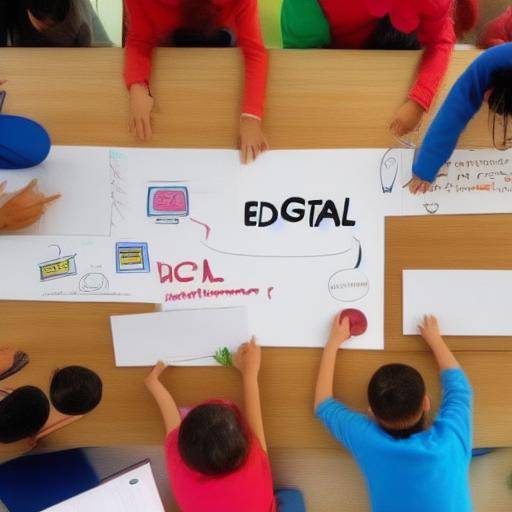
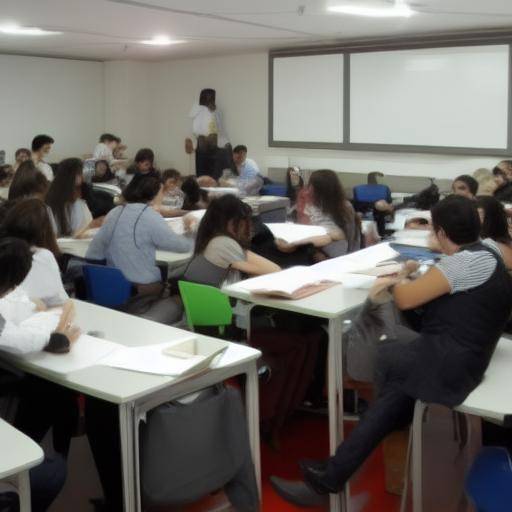
Problem solving is an essential skill in any environment, and even more so in group projects, where collaboration and creativity are fundamental. In this article, we will explore different strategies to effectively promote problem solving in group projects. From its historical origin to future trends, this comprehensive analysis will provide readers with the necessary tools and knowledge to enhance this competition in their teams.
History and Background
The resolution of problems has been a topic of interest throughout history, with roots dating back to ancient civilizations. From Greek philosophy to modern methodologies, it has experienced significant evolution. In contemporary times, it has become a fundamental pillar in the management of projects and work teams. We will analyze the historical milestones, the key figures and their impact on the development of this skill.
Analysis in Deep
The resolution of problems in group projects entails substantial benefits, such as the promotion of creativity, the improvement of teamwork and the establishment of innovative solutions. However, it also faces challenges, such as conflict management and diversity of approaches. We will explore these facets, presenting relevant statistics, case studies and practical examples to contextualize the information.
Comprehensive review
To effectively implement problem-solving in group projects, it is essential to understand best practices, as well as the views of experts and future perspectives. We will compare different approaches and methods to provide a comprehensive view of their advantages and limitations. In addition, we will explore practical applications in business and educational settings, examining successful strategies and lessons learned.
Comparative analysis
Within group projects, fostering problem solving requires a different approach. We will compare how this dynamic differs from individual resolution and how it can be synergized into group dynamics. Through concrete examples and hypothetical scenarios, we will outline the similarities, differences and the potential for complementarity between the two modalities.
Practical Tips and Accessible Recommendations
Providing practical guidance is crucial for readers to apply the concepts presented. Through specific, enumerated and detailed advices, accompanied by step-by-step guides, readers can implement effective strategies to promote problem solving in their own group projects. These recommendations will be supported by case studies and concrete examples that demonstrate their effectiveness.
Industry Perspectives and Expert Reviews
Experts ' views and current trends offer an invaluable insight into the future of problem solving in group projects. Interviews, trend analysis and projections will provide a valuable perspective on how this field is evolving and the implications it has for teams and organizations.
Case Studies and Practical Applications
Nothing better illustrates theoretical concepts than actual cases. Through detailed case studies, we will explore different scenarios in which problem solving has been successfully applied in group projects. These examples will reveal the results obtained, as well as the lessons learned during the process, enriching the practical understanding of readers.
Future Trends and Predictions
Finally, we will venture into the unknown waters of future trends and predictions related to solving problems in group projects. Based on current data and expert opinions, we will explore possible changes and opportunities that will shape the future landscape of this discipline.
Conclusion
In short, the ability to promote problem solving in group projects is a valuable asset in any collaborative environment. From its historical evolution to the latest trends, this article has provided an integral vision of this fundamental competence. We encourage readers to apply their knowledge and explore new ways of strengthening problem solving in their group projects. The momentum towards excellence in this area will contribute significantly to the success of teams and organizations.
Frequently asked questions
1. How to encourage troubleshooting in group projects?
Promoting problem solving in group projects means creating an environment that promotes effective collaboration, creativity and communication. Strategies such as the promotion of a culture of innovation, the allocation of clear roles and the facilitation of raining sessions of ideas are fundamental.
2. What are the main challenges in solving problems in group projects?
Challenges include managing diversity of views, managing interpersonal conflicts and coordinating different approaches to a common solution. Effective leadership and the ability to build trust and respect on the team are critical to addressing these challenges.
3. What is the importance of solving problems in group projects in business environments?
In business environments, solving actual problems in group projects can boost innovation, improve productivity and strengthen team cohesion. These skills are essential to confront dynamic challenges and maintain market competitiveness.
4. What are the key differences between solving individual and group problems?
The resolution of individual problems focuses on the ability of a person to find solutions, while group projects involve collaboration, negotiation and synthesis of diverse ideas. The collective perspective can provide more holistic approaches and more innovative solutions.
5. How can I assess the effectiveness of problem solving in group projects?
Effectiveness can be assessed through the impact of the proposed solutions on the achievement of project objectives, as well as the cohesion and satisfaction of the team during the process. Feedback and active observation are also valuable tools for evaluation.
6. What are the emerging trends in solving problems in group projects?
Emerging trends include the use of technological tools to facilitate collaboration and data analysis, as well as more holistic approaches that integrate emotional intelligence and diversity of perspectives as active in problem solving.
With these frequently asked questions, it is clear that solving problems in group projects is a fundamental issue that can significantly impact the success and effectiveness of the working teams. By following the advice and strategies presented in this article, readers can strengthen their capacities to effectively address challenges, thereby promoting growth and excellence in their respective work areas.