Introduction
Cultural diversity is a fundamental aspect in today ' s society, and its integration into educational projects is essential to foster understanding, respect and inclusion. In this article, we will explore the importance of integrating cultural diversity into educational projects, as well as associated strategies, benefits and challenges. We will learn how to effectively address this issue to enrich the educational experience of students from different backgrounds.
History and Background
The integration of cultural diversity into educational projects is rooted in the need to recognize and value different cultural perspectives in an increasingly interconnected world. In the past, educational approaches used to focus on a single dominant culture, but over time, the importance of incorporating cultural diversity in the educational sphere has been recognized.
During the course of history, various communities have struggled to recognize their traditions, languages and customs in educational systems. This movement has led to significant changes in the way education is conceived, promoting the inclusion of different cultures and perspectives in the school curriculum.
Deep analysis
The integration of cultural diversity into educational projects presents a number of benefits, but also poses challenges that need to be addressed effectively. Benefits include promoting intercultural respect, enriching educational experience, promoting empathy and preparing students for a diverse and globalized world.
However, the main challenge is to design and implement effective strategies that address cultural diversity in an inclusive and respectful manner. This means overcoming possible linguistic, social and emotional barriers, as well as ensuring that all students feel represented and valued in the educational environment.
Comprehensive review
The integration of cultural diversity into educational projects is realized through various practices, such as the inclusion of curricular content that reflects cultural diversity, the promotion of intercultural activities, the promotion of community participation and the training of educational staff on diversity-related issues.
In order to achieve successful integration, it is crucial to foster an inclusive and responsive school environment, where differences are held and intercultural dialogue is encouraged. The implementation of awareness-raising programmes and the creation of safe spaces for the expression of cultural identities are key elements in fostering an enriching and respectful educational environment.
Comparative analysis
The integration of cultural diversity and educational projects share the common objective of promoting the equity, inclusion and comprehensive development of students. Both areas emphasize the importance of recognizing and assessing individual, cultural and social differences, and seek to provide equitable opportunities for learning and development.
Despite their similarities, cultural diversity and educational projects also present significant differences in terms of particular focus, practices and challenges. Understanding these differences and exploring possible synergies between the two elements is essential to design effective strategies that integrate cultural diversity into educational projects in a coherent and meaningful way.
Tips and Suggested Actions
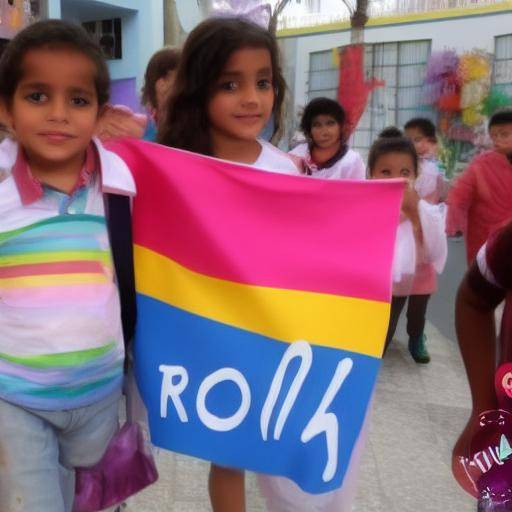
In order to integrate cultural diversity into educational projects effectively, it is useful to follow a number of practical councils, such as fostering intercultural collaboration, offering diverse educational resources and materials, organizing activities that highlight cultural wealth and promoting teacher training on cultural diversity issues.
In addition, it is essential to provide space for students to share their own cultural experiences, encourage critical reflection on diversity and promote the creation of educational environments that reflect the plurality of society. These actions help to generate an inclusive and enriching educational environment for all students, regardless of their cultural origin.
Industry Perspectives and Expert Reviews
Experts in the field of education agree that the integration of cultural diversity into educational projects is fundamental to preparing students to live and work in a plural and diverse world. They also highlight the importance of developing educational strategies that recognize and value cultural diversity, promoting meaningful and enriching learning for all.
The educational industry recognizes the need to go beyond the mere superficial inclusion of cultural diversity, and advocates for the implementation of pedagogical approaches that genuinely and respectfully integrate different cultural perspectives into the educational process. This approach represents a transformative change in the way education is conceived, recognizing diversity as an enriching and fundamental asset for the integral formation of students.
Case Studies and Real Life Applications
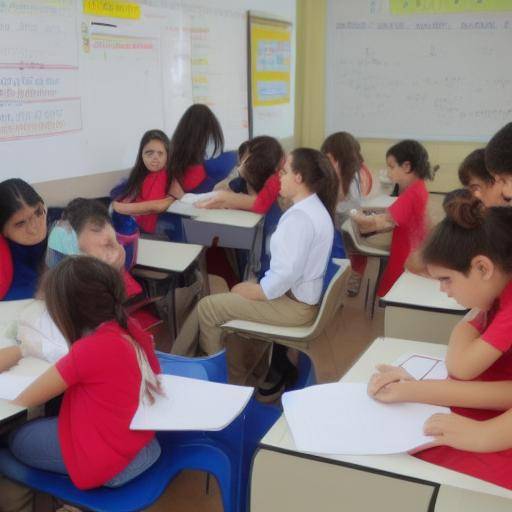
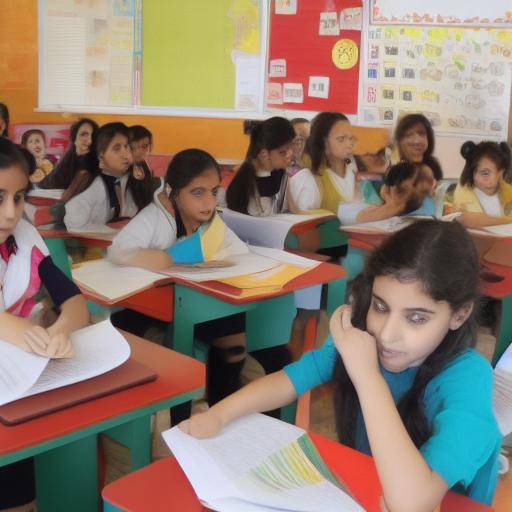
The integration of cultural diversity into educational projects has been successfully carried out in numerous educational institutions around the world. Case studies show how the implementation of intercultural programmes, the inclusion of diverse curriculum contents and the promotion of the active participation of the community have helped to create dynamic, inclusive and enriching educational environments.
These cases show that the integration of cultural diversity not only enriches the educational experience of students, but also promotes mutual respect, empathy and intercultural understanding. They also show the positive impact they have on the formation of global citizens who are conscious and committed to building more just and equitable societies.
Future Trends and Predictions
The future of integrating cultural diversity into educational projects aims at consolidating educational approaches that recognize diversity as a fundamental pillar of education. The implementation of intercultural programmes, training in cultural diversity and collaboration with diverse communities is expected to be increasingly widespread in the educational field.
In addition, there is a greater emphasis on assessing practices for integrating cultural diversity, as well as generating educational policies that promote equity and inclusion. The commitment to the integration of cultural diversity into educational projects is a path to building more just, pluralistic and respectful societies of diversity.
Conclusions
The integration of cultural diversity into educational projects is a fundamental process for fostering understanding, respect and inclusion in diverse educational settings. The implementation of effective strategies, the promotion of diversity as an enriching value and the creation of inclusive educational environments are key elements in ensuring equitable and meaningful education for all.
In considering cultural diversity as an enriching asset rather than an obstacle, educational institutions can enhance the learning and comprehensive development of their students, preparing them to be informed, tolerant and committed global citizens to building more inclusive and respectful societies.
Frequently asked questions
**Why is it important to integrate cultural diversity into educational projects?**The integration of cultural diversity into educational projects is essential to foster intercultural understanding, promote mutual respect and prepare students to live in diverse and globalized societies.
**What are the benefits of integrating cultural diversity into educational projects?**Benefits include promoting intercultural respect, enriching educational experience, promoting empathy and preparing students for a diverse and globalized world.
**What are the challenges associated with integrating cultural diversity into educational projects?**Challenges establishing effective strategies that address cultural diversity in an inclusive and respectful manner, overcoming possible linguistic, social and emotional barriers, and ensuring that all students feel represented and valued in the educational environment.
**How can educational institutions foster an inclusive environment that integrates cultural diversity?**In order to foster an inclusive environment, educational institutions can promote diversity through intercultural programmes, the inclusion of diverse curriculum content, the promotion of the active participation of the community and the training of educational staff on diversity-related topics.
**What role do educators play in integrating cultural diversity into educational projects?**Educators play a key role in fostering an inclusive and receptive school environment, celebrating differences and fostering intercultural dialogue. Training on cultural diversity issues and the promotion of safe spaces for the expression of cultural identities are key elements in enriching the educational environment.
**What are some effective strategies to integrate cultural diversity into educational projects?**Effective strategies include fostering intercultural collaboration, offering diverse educational resources and materials, organizing activities that highlight cultural wealth and promoting teacher training on cultural diversity issues.
**How can the integration of cultural diversity into educational projects impact the training of students?**The integration of cultural diversity can enrich the educational experience of students, promoting mutual respect, empathy and intercultural understanding, while preparing students to live and work in diverse and globalized environments.
**What are future trends related to the integration of cultural diversity into educational projects?**Future trends aim at the consolidation of pedagogical approaches that recognize diversity as a fundamental pillar of education, the implementation of intercultural programmes, teacher training in cultural diversity and collaboration with diverse communities.
Conclusion
The integration of cultural diversity into educational projects represents a fundamental challenge and a unique opportunity to enrich the educational experience of students. In assessing and celebrating diversity, educational institutions can promote inclusive and equitable environments that prepare students to live and work in a diverse and globalized world.
The commitment to the integration of cultural diversity into educational projects is a crucial step towards building more just, plural and respectful societies of diversity. Recognizing cultural diversity as an enriching asset, educational institutions can forge a future in which understanding, respect and inclusion are fundamental pillars of education.
By implementing effective strategies, fostering teacher training in cultural diversity and promoting intercultural collaboration, educational institutions can open the door to meaningful and enriching learning for all students, regardless of their cultural origin.
In short, the integration of cultural diversity into educational projects is more than a necessity: it is a fundamental commitment to building inclusive, equitable and respectful societies of diversity in education.
References:
- Reference 1
- Reference 2
- Reference 3