Introduction
One of the most valued skills in the working world is the ability to work as a team. Effective collaboration is essential in any working environment, and fostering the development of these skills from an early stage can give individuals a significant advantage in the labour market. In this article, we will explore the importance of projects to develop teamwork skills, their impact on education and the labour market, as well as practical advice and real examples that demonstrate their effectiveness.
History and Background
Projects to develop teamwork skills have their roots in the desire to improve productivity, creativity and efficiency in the working and academic environments. Throughout history, various educational organizations and companies have implemented collaborative projects to promote teamwork. From research projects in universities to innovation initiatives in companies, the concept of working together towards a common goal has proven to be beneficial in many respects.
Deep analysis
The most obvious benefit of collaborative projects is that they provide participants with the opportunity to develop communication skills, problem solving, decision-making and conflict management. Efficient teams can combine individual strengths to achieve results that exceed one individual's capabilities. In addition, projects foster an environment of mutual support, in which each member is responsible for collective success.
Despite these benefits, teamwork projects also present challenges. The management of personalities, the equitable distribution of tasks and ensuring that all team members contribute significantly are critical aspects that need to be addressed to ensure the success of the project.
Comprehensive review
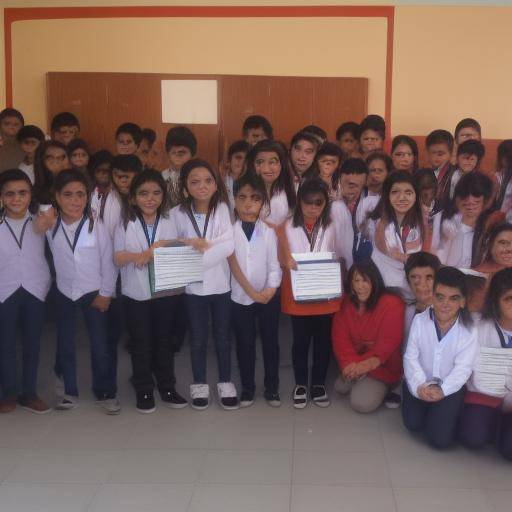
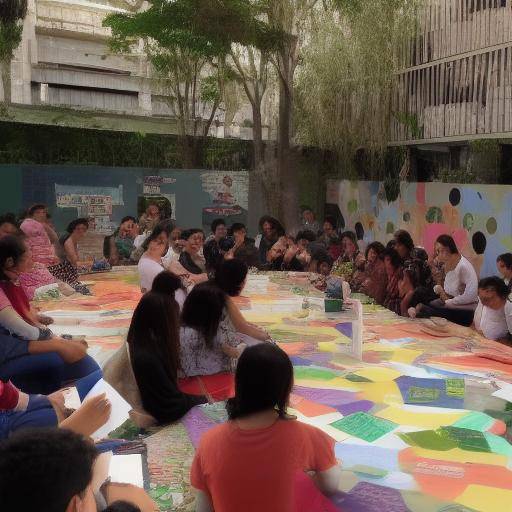
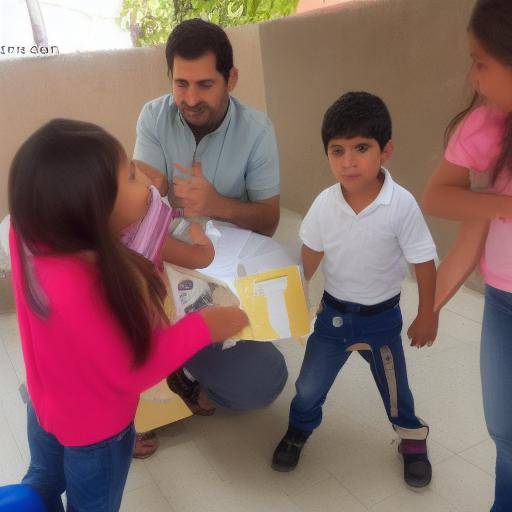
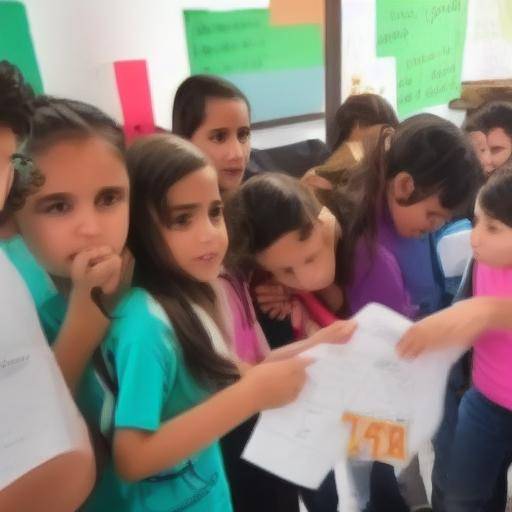
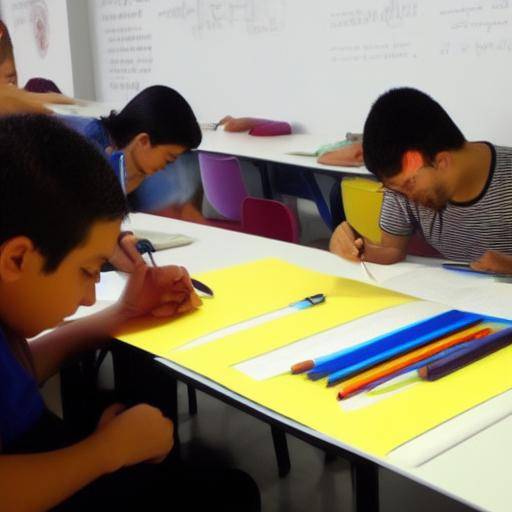
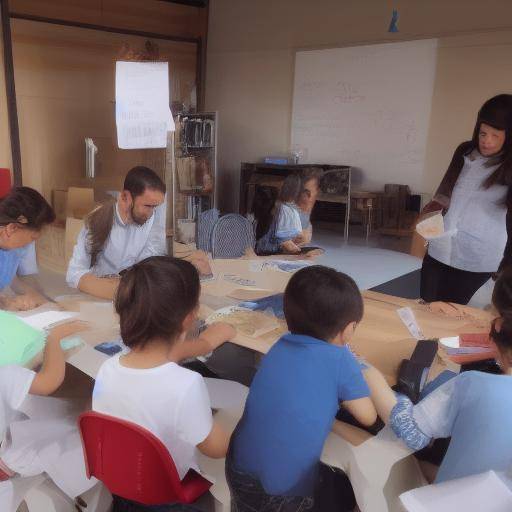
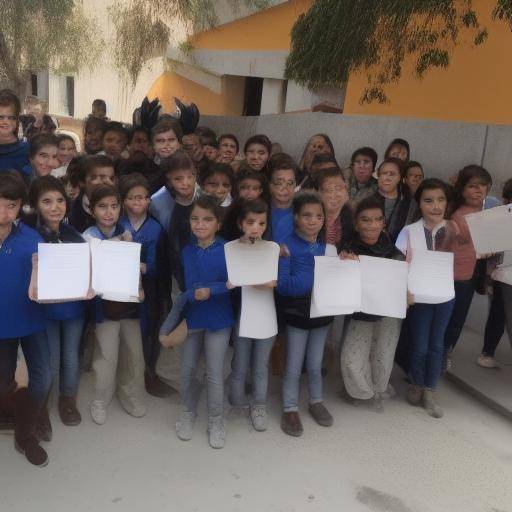
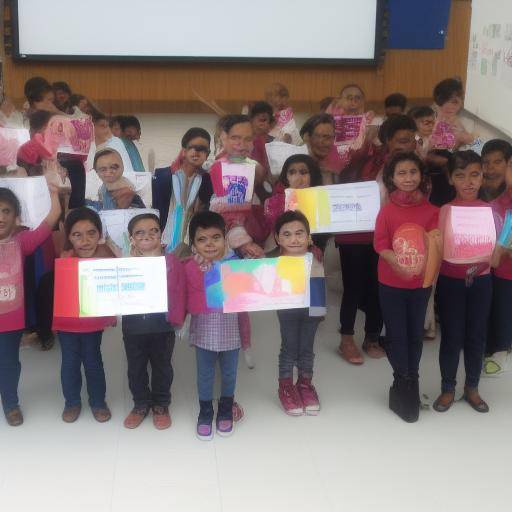
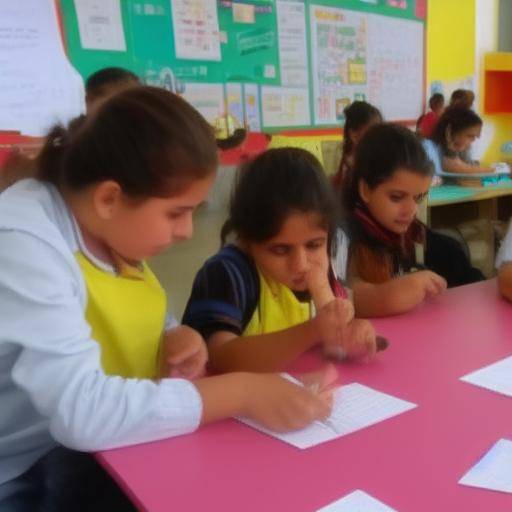
Projects to develop teamwork skills have practical applications in a variety of environments, from formal education to business. For example, in the educational context, collaborative projects offer students an invaluable experience that goes beyond the acquisition of theoretical knowledge. Students can apply what they have learned in a practical environment and develop vital skills for their professional future.
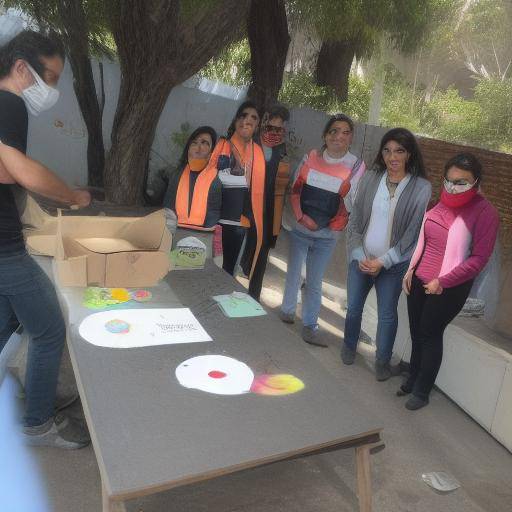
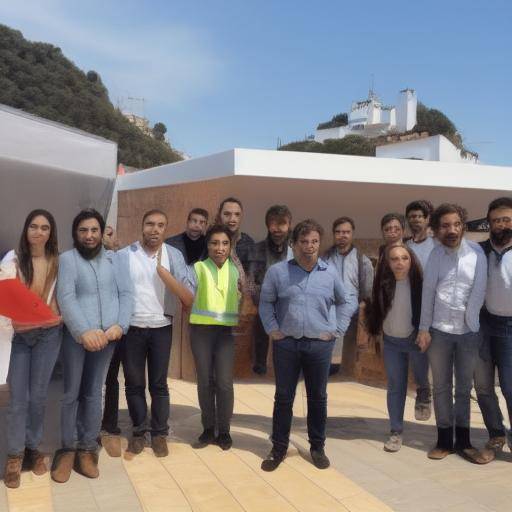
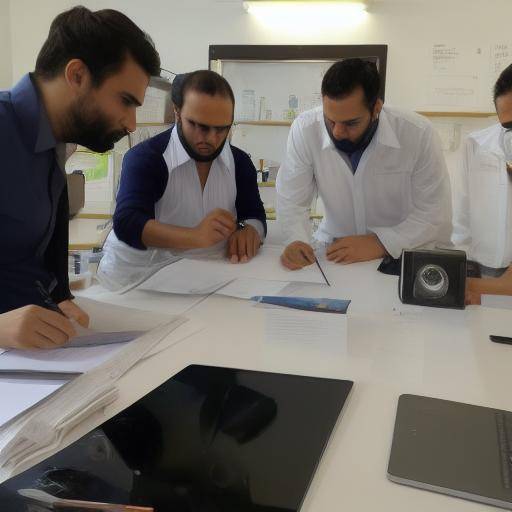
In the business area, team projects can boost innovation, improve operational efficiency and strengthen internal cohesion. Companies that foster an enabling environment for teamwork often enjoy greater productivity, increased employee retention and a stronger organizational culture.
Comparative analysis
Comparatively, collaborative projects in the field of education and business share similarities in terms of the benefits they offer: development of soft skills, boosting creativity and problem solving, and promoting collaboration. However, they differ in their specific goals and approaches. While education emphasizes learning and knowledge implementation, in the business environment the focus is on innovation and achieving trade goals.
Practical Tips and Accessible Tips
To maximize the effectiveness of projects to develop teamwork skills, it is essential to establish clear roles and responsibilities for each team member, promote open and effective communication, and provide constructive feedback. In addition, careful selection of projects, based on individual interests and skills, can increase the motivation and commitment of participants.
Industry Visions and Expert Reviews
According to experts in the field of education and talent management, teamwork projects are critical to preparing students and professionals for the modern working environment. Constant changes in the labour market require people to adapt quickly, work effectively on diverse teams and solve problems creatively.
Case Studies and Practical Applications
Numerous case studies illustrate how projects to develop teamwork skills have transformed individual organizations and careers. For example, in the technology sector, companies such as Google and Apple have attributed part of their success to the ability of their teams to effectively collaborate on innovative projects. In addition, in the field of education, schools and universities that incorporate collaborative projects in their academic programmes have observed an increase in student engagement and a better retention of knowledge.
Future Trends and Predictions
As the working environment continues to evolve, projects to develop teamwork skills are expected to remain an integral part of education and professional development. With the growing importance of global collaboration and diversity in the workplace, teamwork skills will be even more valued in the future. In addition, technology is expected to play a crucial role in facilitating remote collaboration and managing projects on a global scale.
Conclusion
In short, projects to develop teamwork skills are an invaluable tool in both education and business. By fostering collaboration, creativity and the development of soft skills, these projects prepare individuals to succeed in an increasingly interconnected and dynamic working environment.
FAQs
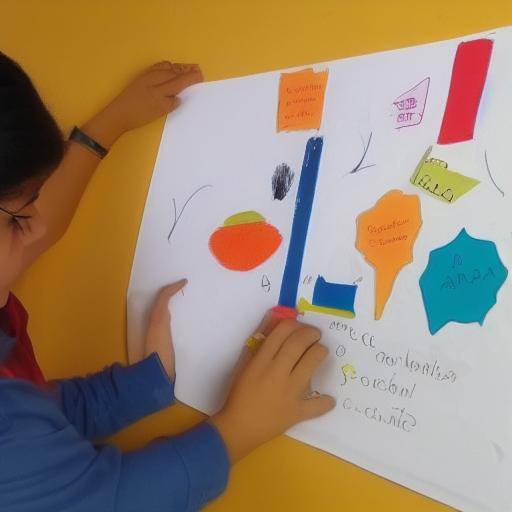
Question 1: What types of projects can be effective in developing teamwork skills?Response: Projects that require coordination, communication and equitable sharing of tasks are effective in developing teamwork skills. For example, projects that involve solving complex problems, planning events or creating innovative products.
Question 2: How can companies foster an enabling environment for teamwork?Response: Businesses can foster an enabling environment for teamwork through the promotion of open communication, the creation of collaborative spaces, the establishment of clear collective goals and the holding of team achievements.
Question 3: What are the main skills that can be developed through teamwork projects?Response: Among the main skills that can be developed through teamwork projects are effective communication, problem solving, decision-making, flexibility, empathy and the ability to work under pressure.
Question 4: What is the role of technology in facilitating teamwork?Response: Technology plays a key role in facilitating teamwork by providing online collaboration tools, project management platforms and remote communication, which enable teams to work effectively regardless of their geographical location.
Question 5: How can projects to develop teamwork skills benefit students and professionals?Response: These projects can benefit students and professionals by providing them with the opportunity to apply theoretical knowledge in practical situations, develop interpersonal and problem solving skills, and strengthen their ability to work collaboratively.
Question 6: What is the importance of diversity in working teams in collaborative projects?Response: The diversity of work teams in collaborative projects provides a variety of perspectives, skills and approaches, which can lead to more innovative solutions and an enriching working environment.
In short, projects to develop teamwork skills are a key tool in both education and business. By fostering collaboration, creativity and the development of soft skills, these projects prepare individuals to succeed in an increasingly interconnected and dynamic working environment.