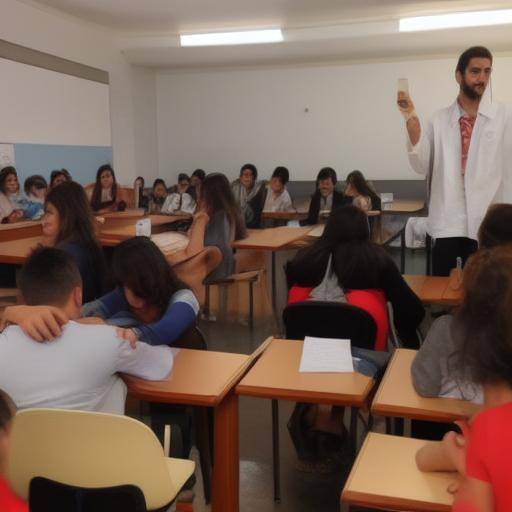
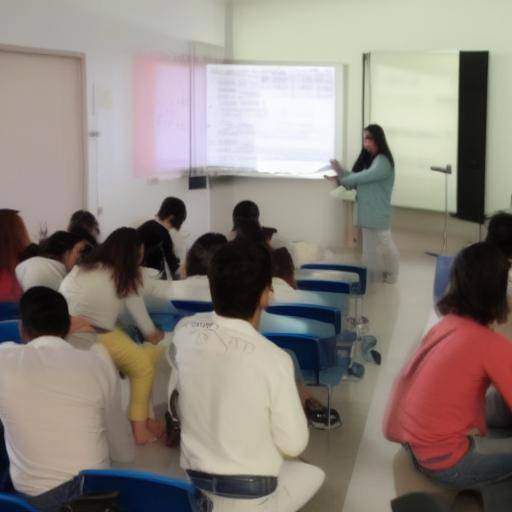
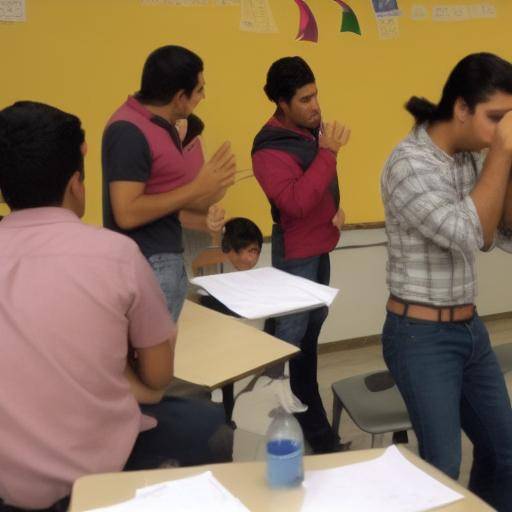
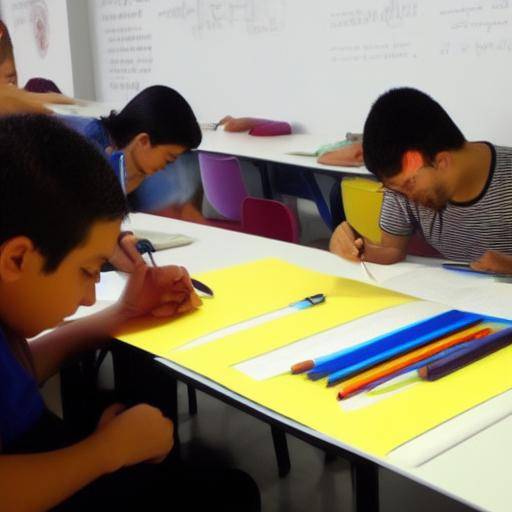
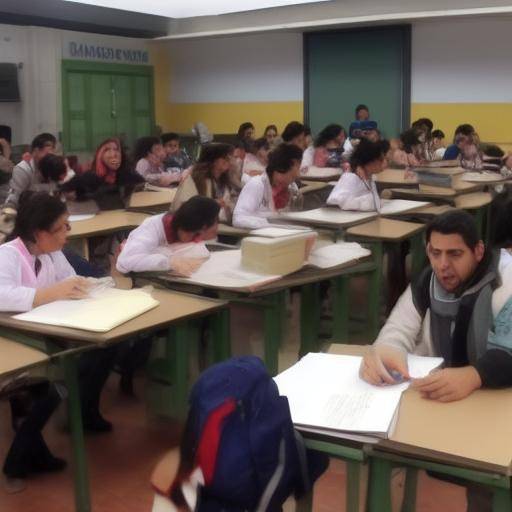
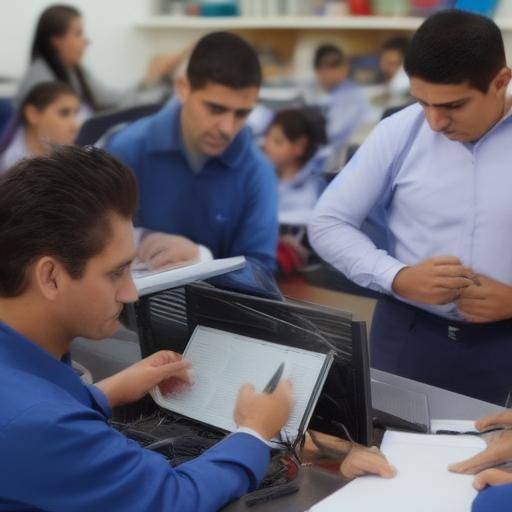
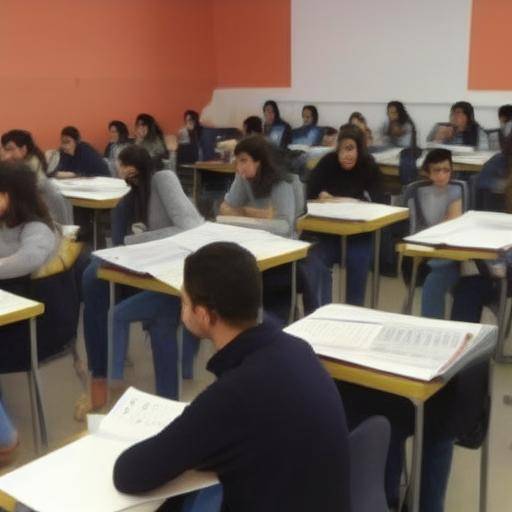
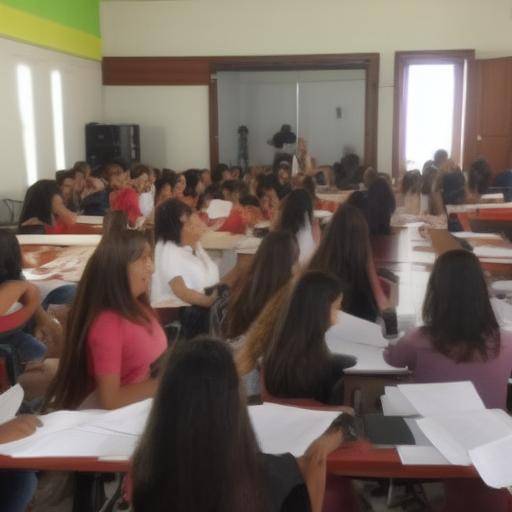
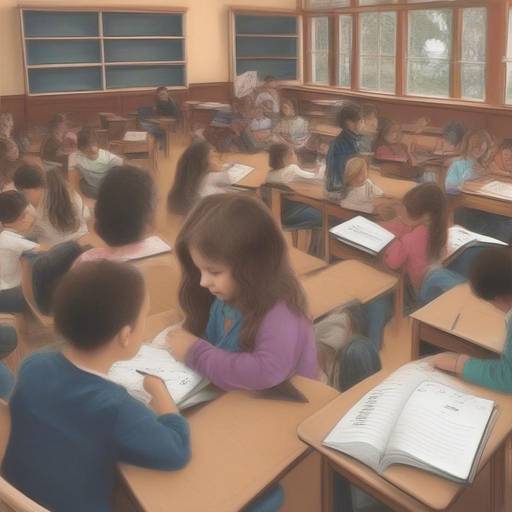
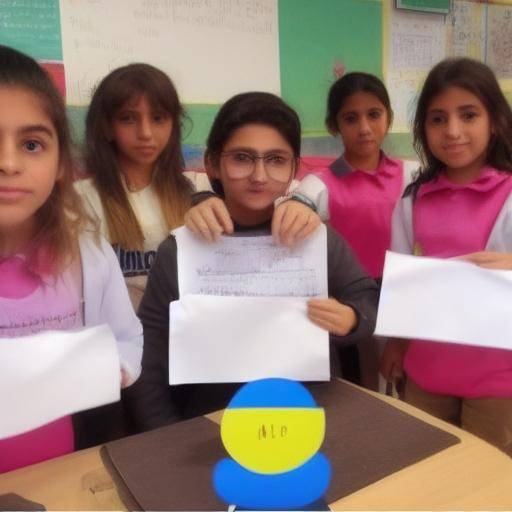
In the educational environment, collaborative projects in the classroom are a valuable tool to promote teamwork, creativity and the development of social skills. However, organizing and implementing these projects effectively can represent a challenge for teachers. In this article, we will explore practical strategies and tips for organizing collaborative projects in the classroom, fostering an enriching and participatory learning environment.
Introduction
Organizing collaborative projects in the classroom is a key task for educators seeking to promote cooperative learning and comprehensive student development. In this regard, it is crucial to understand the process of planning, implementing and evaluating these projects to maximize their effectiveness. Throughout this article, we will explore various strategies, tools and approaches that will enable teachers to successfully organize collaborative projects, fostering the active participation of students and enhancing their teamwork skills.
History and Background
Collaborative projects in the field of education have their roots in the theories of cooperative learning, which emphasize the importance of social interaction and collaboration among students to achieve common objectives. Since its inception, the collaborative approach has evolved to adapt to contemporary educational trends, integrating technological tools and innovative methodologies. Over the decades, the concept of collaborative projects has gained relevance in education, demonstrating its ability to enrich the learning process and promote creativity and critical thinking.
Deep analysis
Collaborative projects in the classroom offer a wide range of benefits, including fostering socio-emotional skills, developing digital skills and promoting meaningful learning. However, they also pose challenges in terms of time management, equity of participation and evaluation of performance. A detailed analysis of these aspects allows teachers to understand the complexity of collaborative projects and adopt effective approaches to overcome obstacles that may arise.
Comprehensive review
In organizing collaborative projects in the classroom, it is essential to consider best practices and pedagogical approaches that maximize student learning potential. The integration of digital tools, the diversity of roles in the work team and constant feedback are key elements that favor the effectiveness of collaborative projects. In addition, we will explore the implications of formative and summary evaluation in the context of collaborative projects, emphasizing the importance of equitably managing individual and group assessments.
Comparative analysis
Comparing the organization of collaborative projects in the classroom with traditional teaching approaches, it is clear that collaborative learning fosters the autonomy, creativity and intrinsic motivation of students. The structure of interdependent tasks, the collaborative resolution of problems and the generation of significant end products are central aspects that distinguish collaborative projects and enrich the educational process in the classroom.
Practical Tips and Accessible Advice
To effectively organize collaborative projects, educators can adopt a number of practical strategies and tools that facilitate the planning, implementation and evaluation of such projects. The equitable distribution of roles, the establishment of clear objectives and the use of digital collaborative platforms are examples of approaches that optimize the management of collaborative projects in the classroom. In addition, specific cases and examples will be presented that illustrate the successful implementation of these councils in real educational settings.
Industry Perspectives and Expert Reviews
The prospects of education experts provide an enriching vision on the organization of collaborative projects in the classroom. Through interviews with professionals in the field of education, we will explore emerging trends, current challenges and future projections in relation to the implementation of collaborative projects, highlighting the importance of adapting to a constantly evolving educational environment.
Case Studies and Practical Applications
Case studies provide tangible examples of how collaborative projects in the classroom have transformed the learning process, stimulating the active participation of students and promoting meaningful academic goals. Through real examples, the concrete impacts and lessons learned from the implementation of collaborative projects in different educational contexts will be analysed, providing a comprehensive overview of the practical applications of these approaches.
Future Trends and Predictions
The future of education is shaped by the growing integration of collaborative projects as a fundamental part of the pedagogical process. In exploring emerging trends and predictions for the educational field, the opportunities and challenges that will mark the evolution of collaborative projects in the classroom will be identified, providing a prospective vision that guides educators in the preparation for future changes.
Conclusions
In short, the organization of collaborative projects in the classroom represents a fundamental pillar in the development of 21st-century skills among students, fostering collaboration, creativity and critical thinking. Through effective strategies, innovative approaches and a firm commitment to collaborative learning, teachers can enhance the impact of collaborative projects, enriching the educational process and preparing students for the challenges of the current world.
Frequently asked questions
How can I encourage equitable participation in collaborative projects?
Equity in participation can be promoted by assigning rotative roles, establishing clear rules of group interaction and providing constant feedback on individual and group performance.
What impact do collaborative projects have on the development of socio-emotional skills?
Collaborative projects foster skills such as effective communication, empathy, conflict resolution and cooperation, strengthening students' socio-emotional skills.
What is the role of the teacher in organizing collaborative projects in the classroom?
The teacher plays a key role as facilitator, guide and mediator in collaborative projects, promoting a learning environment in which students take an active role in their own development.
How can I effectively evaluate collaborative projects?
The evaluation of collaborative projects can be carried out through clear rubrics, self-assessment, co-assessment and evaluation of the final product, ensuring an integral look at the performance of the students.
What role do digital tools play in collaborative projects in the classroom?
Digital tools offer a wide range of resources for the management, communication and presentation of collaborative projects, facilitating collaboration and exchange of ideas among students.
To what extent do collaborative projects enrich students' academic learning?
Collaborative projects provide opportunities for the practical application of knowledge, the resolution of authentic problems and the development of cross-cutting competencies, consolidating academic learning significantly.
In conclusion, the organization of collaborative projects in the classroom is a constantly evolving process, driven by the continuous search for effective strategies and innovative approaches that enhance collaborative learning and comprehensive student development. By exploring in depth the best practices, current trends and future projections in this field, educators will be prepared to lead successful collaborative projects that inspire, challenge and transform the educational process.