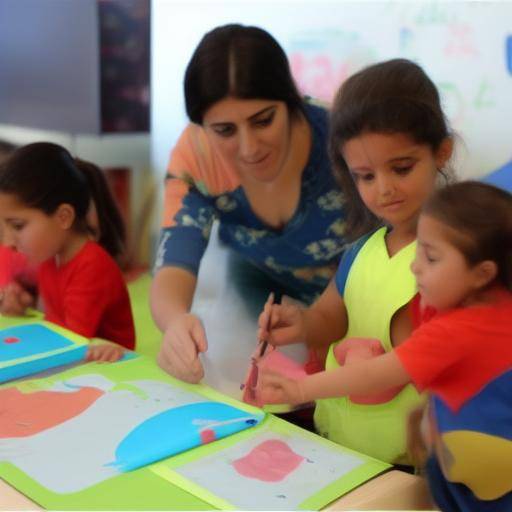
In today's society, coexistence between different generations is fundamental to building a more inclusive and understanding world. Promoting intergenerational relations and mutual understanding play a crucial role in strengthening family, labour and community ties. In this article, we will explore practical strategies to promote intergenerational integration and understanding, as well as its importance in various areas of daily life.
Introduction
Understanding intergenerational dynamics and fostering empathy between different ages is essential to promote harmony and the integral development of society. In this regard, we will address in depth the concept of promotion, intergenerational relations and understanding as pillars to build an environment in which each individual feels valued and respected, regardless of their age.
History and Background
The concept of fostering intergenerational relations has its roots in traditional cultures, where respect and appreciation for older people were fundamental. Throughout history, different societies have attached importance to the wisdom and experience accumulated by previous generations, recognizing their contribution to collective well-being. From family structures to community organizations, strengthening intergenerational cohesion has been a central hub in many cultures.
At present, social dynamics have undergone significant changes, leading to challenges and opportunities in promoting positive intergenerational relations. Longevity, cultural diversity and technological evolution are factors that affect the configuration of interactions between different generations. This context provides an opportunity to reflect on the importance of fostering understanding and dialogue among people of different ages.
Deep analysis
Intergenerational relationships offer countless benefits for the emotional, cognitive and social well-being of all the people involved. Recent studies have shown that intergenerational exchange of knowledge and experiences significantly contributes to the integral development of individuals. It also strengthens social cohesion and promotes a sense of belonging and solidarity within communities.
Despite these benefits, it is important to recognize that there are challenges in promoting healthy intergenerational relationships. The generation gap, stereotypes and lack of spaces for open dialogue can hinder mutual understanding among different age groups. It is therefore essential to address these challenges proactively, promoting respect, tolerance and active listening in all areas of everyday life.
Comprehensive review
To foster intergenerational understanding, it is crucial to implement strategies that promote collaboration and equitable sharing of experiences and perspectives. From intergenerational educational programmes to inclusive recreational activities, there are numerous initiatives that can strengthen links between young people, adults and older persons.
It is also essential to recognize the importance of mutual understanding in the labour and community spheres. Generational diversity in work teams enriches creativity, innovation and problem solving. By fostering an environment of mutual respect and appreciation, organizations can cultivate an inclusive and productive working environment, in which each generation brings its uniqueness to the service of the common good.
Comparative analysis
By comparing the promotion of intergenerational relations with the promotion of understanding, it is possible to identify significant synergies. Both concepts converge on the need to build dialogue bridges, recognize diversity of perspectives and value individual contributions, regardless of age. This convergence highlights the importance of adopting a holistic approach to promoting intergenerational integration and mutual understanding, recognizing the wealth that each generation brings to society.
Practical Tips and Actions
Here are some practical tips for fostering intergenerational understanding:
- Promoting intergenerational dialogue: Organize conversation spaces where people of different ages can share their experiences, ideas and concerns.
- Value generational diversity: Recognize and celebrate the different ways of thinking and acting that each generation brings, fostering an environment of mutual respect and acceptance.
- Create shared learning opportunities: Establish educational programs that involve the active participation of people of different ages, promoting the transfer of knowledge and skills.
- Incorporating intergenerationality in the workplace: Design strategies that favor collaboration and teamwork among people of different generations, recognizing the individual strengths each group brings.
- Fostering intergenerational community participation: Create initiatives that integrate people of all ages into projects and activities that benefit the community, thereby strengthening the sense of belonging and solidarity.
Industrial Perspectives and Expert Reviews
From the perspective of experts in the intergenerational field, the importance of generating spaces of encounter and collaboration between people of different ages is emphasized. The need to recognize the diversity of capacities, experiences and expectations is emphasized, promoting an inclusive and equitable approach in all spheres of life.
According to the sociologist and expert in intergenerational relations, Antonio Martínez, "The collaboration and understanding between generations are fundamental to building a cohesive and sustainable society. The integration of different perspectives and experiences enriches the coexistence and promotes the integral development of the communities".
Case Studies and Practical Applications
An outstanding example of successful implementation of intergenerational strategies is seen in the educational field. Educational institutions that have adopted intergenerational programmes have found a significant improvement in the school climate, as well as a strengthening of family and community ties. The collaboration between students, parents and grandparents has generated a positive impact on the academic performance and emotional well-being of participants.
Similarly, companies that have encouraged interaction and mutual learning between different generations have experienced increased productivity, creativity and retention of talent. The generation of innovative solutions and the improvement of the working environment are some of the benefits of intergenerational integration in the working environment.
Future Trends and Predictions
As society evolves, there is a greater recognition of the importance of fostering healthy intergenerational relationships. In a global context marked by diversity and interconnection, the promotion of mutual understanding between generations acquires increasing relevance, both in the family and in the working and community environment.
Organizations and communities are expected to continue to develop strategies and programmes that encourage the inclusion and active participation of people of all ages. There is also an increase in intergenerational collaboration in the resolution of social problems, as well as in the generation of innovations that meet the needs of different generations.
Conclusion and Frequently Asked Questions
Conclusion
In conclusion, the promotion of intergenerational relations and the promotion of mutual understanding constitute fundamental pillars for building an inclusive and cohesive society. Recognizing and assessing the diversity of experiences, knowledge and perspectives enriches coexistence and promotes the integral development of communities.
FAQs
1. Why is it important to foster intergenerational understanding?
Promoting intergenerational understanding contributes to building an inclusive environment, where the value of each individual is recognized regardless of age, promoting mutual respect and intergenerational collaboration.
2. What are the benefits of intergenerational relationships?
Intergenerational relationships offer significant benefits, including knowledge transfer, the strengthening of the sense of belonging and the promotion of emotional well-being both in the family and in the community.
3. How can I foster intergenerational understanding in my working environment?
To foster intergenerational understanding in the working environment, it is essential to promote open dialogue, respect individual differences and recognize the strengths that each generation group brings to the working team.
4. Are there challenges in promoting healthy intergenerational relationships?
Yes, some challenges include the generation gap, stereotypes and lack of spaces for open dialogue. However, with appropriate strategies, it is possible to overcome these challenges and promote positive intergenerational relationships.
5. What are some effective strategies to promote intergenerational understanding?
Effective strategies include the promotion of intergenerational dialogue, the valuation of generational diversity, the creation of shared learning opportunities and the incorporation of intergenerationality in the labour sphere.
6. How can communities promote intergenerational integration?
Communities can promote intergenerational integration by creating spaces and activities that encourage the participation of people of all ages in community projects, thereby strengthening the sense of belonging and solidarity.
In short, the promotion of intergenerational relations and the promotion of mutual understanding not only strengthen the links between different generations, but also enrich coexistence, enhance the integral development of people and promote the construction of a more inclusive and equitable society.