Introduction
The integration of technology into education has transformed the way students learn and teachers teach. In an increasingly digital world, the use of innovative projects that take advantage of technology at school is not only relevant, but essential to preparing new generations. In this article, we will explore in depth innovative projects in the field of education, convergence between education and technology, and how these approaches are revolutionizing the way they are taught and learned.
History and Background: The Evolution of Technological Education
The history of integrating technology into education dates back to the first computers in classrooms and the first educational programs. Over time, technology has evolved and its role in education has expanded exponentially. From the arrival of the internet to the proliferation of mobile devices, technology has gradually transformed the way knowledge is imparted. Online learning platforms, educational games, digital boards and interactive applications are just a few examples of how technology has been integrated into the educational environment to improve learning experience.
Case Study: Digital Transformation in a Rural College
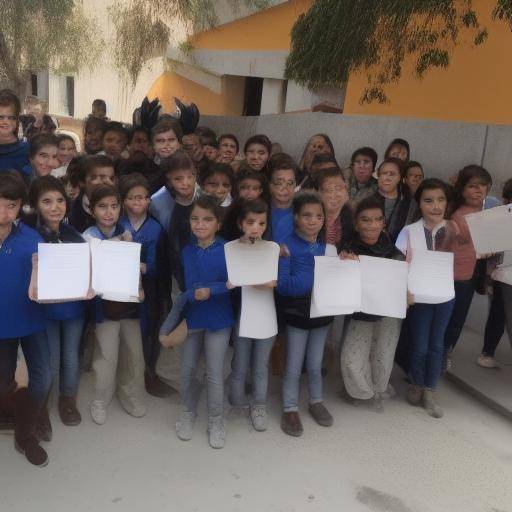
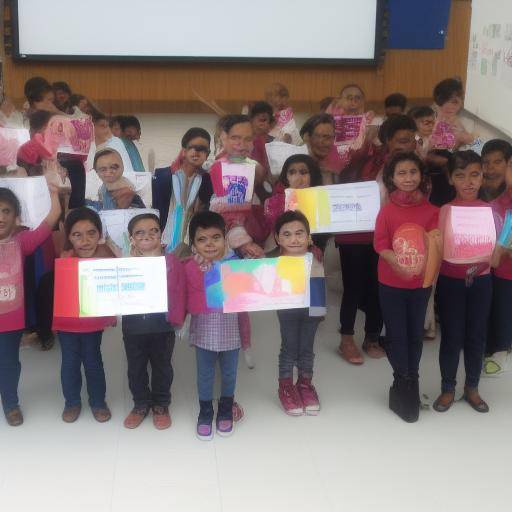
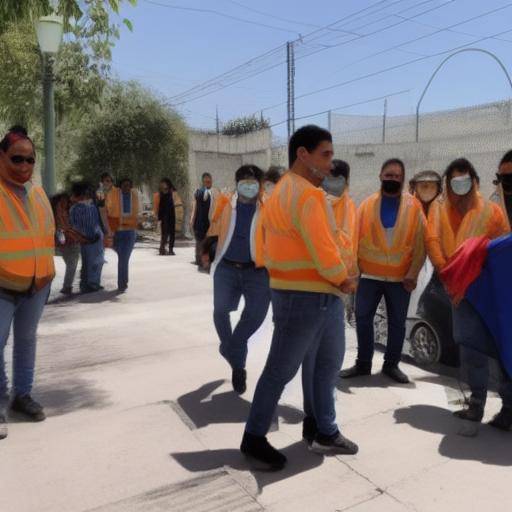
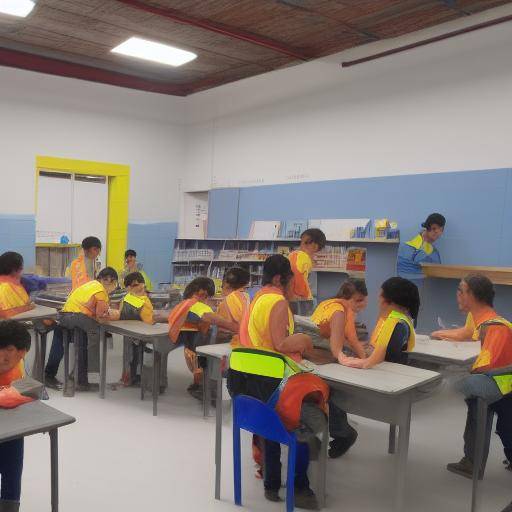
A case that exemplifies digital transformation in education is that of a rural school in Latin America. The project focused on providing school with technological equipment, internet access and training for teachers. The results were remarkable, with an increase in student academic performance, increased class participation and renewed interest in learning.
Depth Analysis: Current Benefits, Challenges and Trends
The integration of innovative projects that combine education and technology brings a number of benefits, including learning customization, digital skills development, access to a world of resources and the possibility of collaborative and distance learning. However, it also poses challenges such as the digital divide, excessive dependence on technology and the need for constant training for educators.
Statistics Reveladoras
According to a recent study, 78 per cent of educators believe that technology is essential for learning in the twenty-first century. In addition, 65% of students claim that technology improves their ability to learn. These figures highlight the relevance and positive impact that technology has in the educational field.
Comprehensive Review: Applications, Case Studies and Best Practices
In reviewing innovative projects in the field of education, it is essential to explore best practices and applications that have demonstrated positive results. The implementation of interactive classrooms, adaptive learning programs and the use of online collaboration tools are examples of how technology can enhance teaching and learning.
Opinions of Experts
Laura Gómez, an expert in educational technology, emphasizes the importance of developing projects that promote creativity, critical thinking and problem solving through technology. According to her, "the key is to design projects that integrate technology organically into the educational process, allowing students to acquire relevant skills for the current world."
Comparative Analysis: Innovation and Trends in Educational Projects
Innovation in educational projects is varied and dynamic. From the creation of immersive learning environments to the implementation of artificial intelligence programs for teaching, the diversity of innovative approaches in education is wide and constantly evolving. Compare and contrast these initiatives can provide a more comprehensive view of the possibilities and challenges facing the field of technological education.
Synergies between Educational Projects and Technological Innovations
The convergence between educational projects and technological innovations can generate significant synergies. For example, the use of virtual and increased reality can transform the way students interact with abstract concepts, allowing more immersive and experiential learning. Also, artificial intelligence can customize teaching, adapting to the individual needs of each student and providing instant feedback.
Practical Tips and Accessible Tips: Integrating Effective Handle Technology
Successful implementation of innovative projects in education requires attention to certain key aspects. Some practical councils include detailed planning, comprehensive teacher training, the selection of appropriate technologies for educational objectives and the continuous assessment of the impact on student learning.
Step-by-Step Guide for the Implementation of Technological Projects in the Classroom
- Identify Educational Objectives: Before selecting any technology, it is essential to clearly define the educational objectives that are to be achieved.
- Evaluate Technological Needs: Once the educational objectives are established, it is crucial to assess the technological needs that best align with these objectives.
- Training: Provide teachers with the necessary training and support to effectively integrate technology into their educational practice.
- Continuing evaluation: Measure the impact of technology on student learning and adjust strategies according to results.
Ideas and Reviews of the Education Sector and Experts
The vision and knowledge of experts in the field of technological education are fundamental to understanding the trends and challenges facing this field. The contribution of experienced professionals in integrating innovative projects into educational environments enriches our understanding of the most effective practices and approaches.
Futures and Predictions
The future of technological education is seen as promising, with advances in artificial intelligence, virtual reality, adaptive learning and data analytics that will continue to transform the way it is taught and learned. The personalization of learning, the globalization of education and the incorporation of skills in the twenty-first century will be significant trends in the educational field.
Prediction: Impact of Artificial Intelligence in Education
Experts on artificial intelligence predict that technology based on this discipline will have a significant impact on education, allowing the creation of highly customized, adaptive and student-centered learning programs. In addition, artificial intelligence is expected to improve the efficiency of learning assessment and the monitoring of student progress.
Conclusions and FAQs
Final Conclusions: Empowering the Future of Education Through Technology
The integration of innovative projects in education represents a turning point in the way learning is addressed. By capitalizing on the potential of technology, education can become a more personalized, inclusive and effective experience, preparing future generations to face the challenges of the twenty-first century.
Frequently asked questions
1. What is the role of technology in current education?
Technology plays a key role in current education by improving the accessibility, customization and effectiveness of learning.
2. How can teachers effectively integrate technology into the classroom?
Effective integration of technology into the classroom requires teacher training, careful planning and alignment with clear educational objectives.
3. What are the benefits of innovative projects in education?
Innovative projects in education provide benefits such as the personalization of learning, the promotion of creativity and the development of technological skills.
4. What are the challenges associated with integrating technology into education?
Challenges include the digital divide, excessive dependence on technology and the need for constant training for educators.
5. What role do current trends play in the evolution of technological education?
Current trends, such as artificial intelligence and virtual reality, are redefining how they are taught and learned, driving the evolution of technological education.
6. What are the future prospects for technological education?
Future prospects for technological education include the personalization of learning, the globalization of education and the development of skills of the twenty-first century.
The integration of innovative projects in education gives an exciting and transformative perspective to the educational sphere. By capitalizing on the potential of technology, education can become a more personalized, inclusive and effective experience, preparing future generations to face the challenges of the twenty-first century.