Introduction
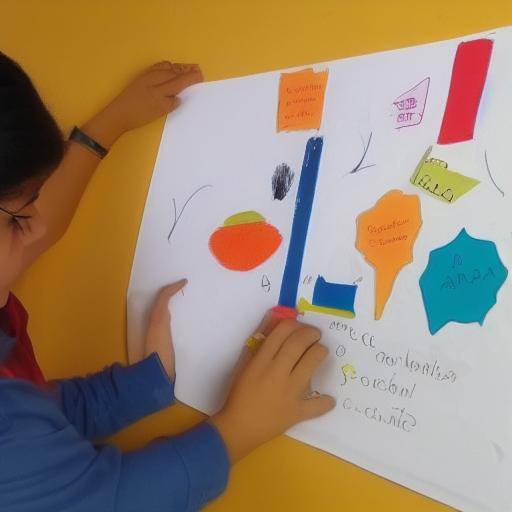
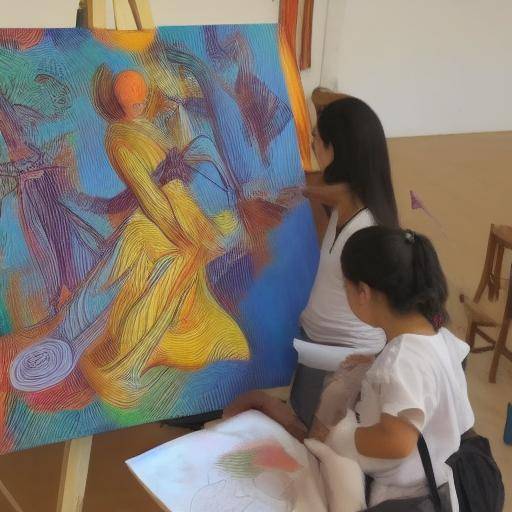
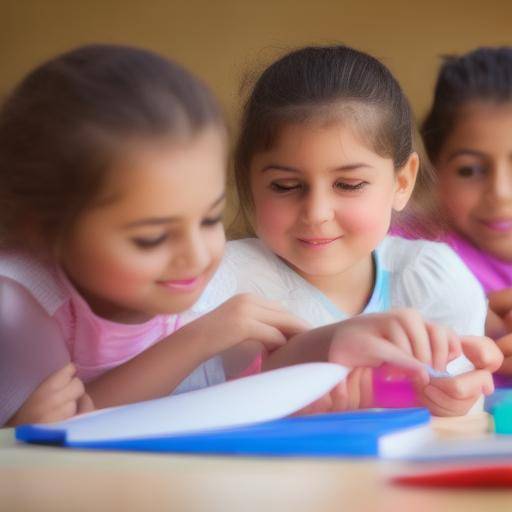
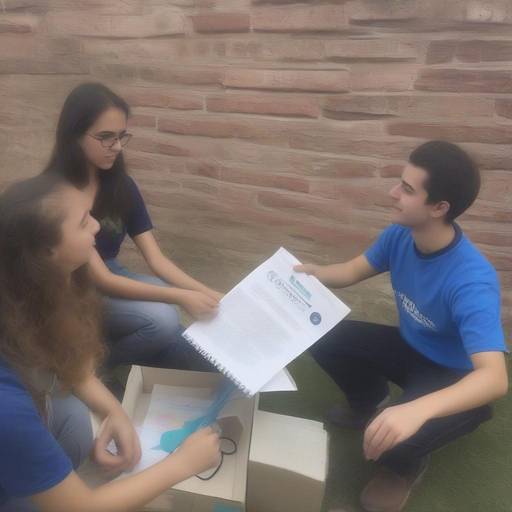
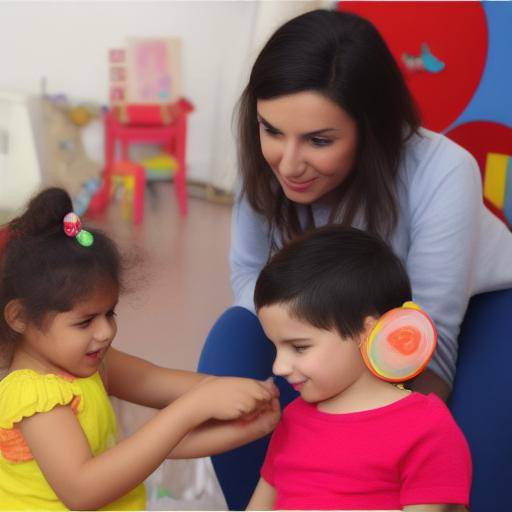
Creativity is a fundamental skill in the development of children, as it allows them to explore, express themselves and face challenges in an innovative way. Artistic projects offer an ideal platform to promote creativity in children, allowing them to discover, experience and create freely and without restrictions. In this article, we will explore the importance of artistic projects in the development of creativity in children, as well as providing practical advice and inspirational examples to implement at home or in educational settings.
History and Background
The history of artistic projects in the education of children dates back decades, where educational visionaries recognized the value of artistic expression in the integral development of children. From the first pedagogical proposals of John Dewey's artistic education to the inclusion of arts in educational programs worldwide, artistic projects have been recognized as essential tools to nurture child creativity. Over time, various methodologies and approaches have been developed to integrate artistic projects into educational environments, adapting to the specific needs of each age group and cultural context.
Analysis in Deep
Artistic projects in the development of creativity in children offer a wide range of benefits, addressing cognitive, emotional and social aspects. They stimulate imagination and experimentation, promote self-expression and foster problem solving creatively. However, they also pose challenges, such as the need for adequate spaces and resources, as well as effective integration into formal educational settings.
Comprehensive review
The inclusion of artistic projects in the education of children requires a detailed understanding of their applications and best practices. Through case studies and the compilation of expert opinions, it is possible to identify effective strategies to successfully implement artistic projects, maximizing the benefits for the creative development of children.
Comparative analysis
Compare and contrast artistic projects, education and creativity, and development offers an integral vision of their interconnection and applications in the educational context. Identifying similarities, differences and synergies between these aspects makes it possible to better understand their role in the overall development of children.
Practical Tips and Accessible Tips
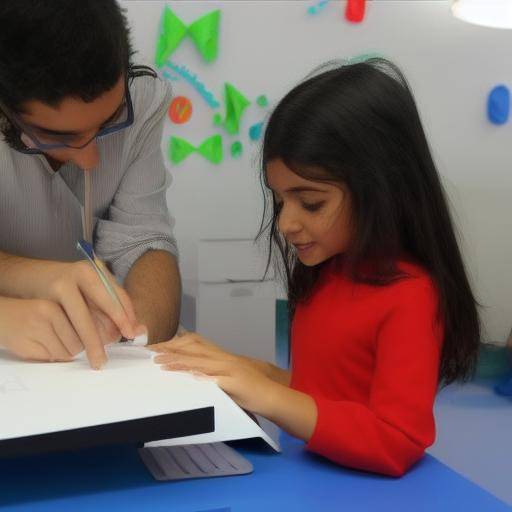
Implementing artistic projects in the education of children not only requires theoretical understanding, but also practical guidance. Offering step by step tips and guides allows educators and parents to perform effective artistic activities that nurture the creativity of children.
Industry Perspectives and Expert Reviews
Collaboration with experts in artistic education and child development provides valuable insights into the latest trends and developments in artistic projects for the development of creativity in children. The opinions of experts offer a holistic vision that enriches our understanding and practical guide in this field.
Case Studies and Applications in Real Life
The analysis of case studies with practical applications of artistic projects in the development of creativity in children provides concrete examples of how these initiatives have a positive impact on the development of creative and emotional skills.
Future Trends and Predictions
Emerging trends in artistic projects to promote creativity in children offer an overview of the direction that will take this field in the future. Current data-based predictions and expert opinions help anticipate opportunities and challenges that will mark the evolution of these projects.
Conclusions and FAQs
Conclusions
In short, artistic projects are powerful tools to nurture creativity in children, promoting integral development through artistic expression, experimentation and problem solving creatively.
Frequently asked questions
1 Why are artistic projects important in the development of creativity in children?
Artistic projects foster imagination, self-expression and creative problem solving, allowing children to explore and discover their talents and skills.
2. How can I integrate artistic projects into my child's educational environment?
It can integrate artistic projects through collaboration with educators, the allocation of time for creative activities and the creation of spaces dedicated to artistic expression.
3. What are the long-term benefits of participation in artistic projects during childhood?
Participation in artistic projects during childhood can foster problem solving skills, creative thinking and self-confidence, which are beneficial in personal and professional life.
4. Are there challenges in implementing artistic projects in formal educational settings?
Yes, the challenges include the allocation of adequate resources, the integration with the educational curriculum and the promotion of the valuation of artistic expression in the educational environment.
5. What kind of artistic projects are best suited to foster creativity in children?
Projects that allow experimentation, exploration and personal expression, such as painting, sculpture, music and dance, are ideal for fostering creativity in children.
6. What is the role of parents in supporting their children's participation in artistic projects?
Parents can support their children's participation in artistic projects by providing access to artistic materials, encouraging creativity and showing interest in their children's creations.
Conclusion
Artistic projects play a key role in the development of the creativity of children, offering a platform for expression, experimentation and innovation. By understanding their importance and practical applications, parents and educators can effectively cultivate child creativity, thereby nurturing the creative and emotional potential of future generations.