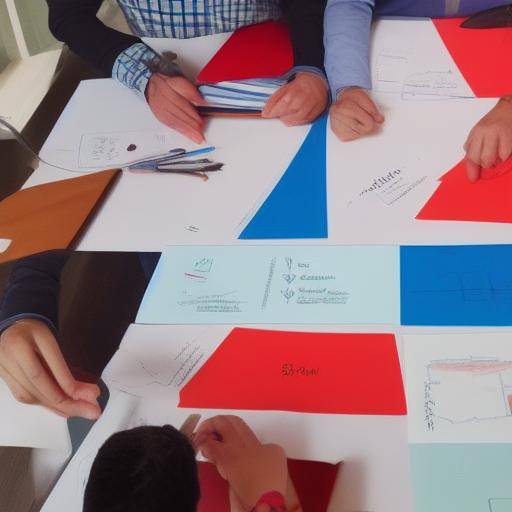
Collaborative leadership is essential in managing group projects, as it promotes teamwork, creativity and effectiveness. In this article, we will explore how to promote collaborative leadership in group projects, analyzing its importance, benefits, challenges and offering practical advice to effectively promote it.
Importance of the Collaborative Leadership
Collaborative leadership is fundamental in working environments where collective talent and synergy among team members are sought. In group projects, this leadership approach not only strengthens team cohesion, but also promotes innovation and creative problem solving.
Benefits of Collaborative Leadership in Group Projects
- Greater Creativity: The diversity of ideas and perspectives emerging from collaborative leadership fosters the generation of innovative solutions.
- Strengthening of the Team: By encouraging the active participation of all members, the feeling of belonging and commitment to the project is strengthened.
Collaborative Leadership Challenges in Group Projects
- Conflict management: The diversity of opinions can generate interpersonal conflicts that require resolution skills from the leader.
- Decision-making: Collaboration can slow decision-making processes if not properly managed.
Strategies for Promoting Collaborative Leadership
Promote active participation:
- It encourages all team members to contribute to their ideas and perspectives.
- Use feedback tools to make sure all voices are heard.
Promote Trust and Communication:
- It creates an environment of trust and openness where members feel safe to express their opinions.
- It uses regular meetings and effective communication channels to maintain a smooth interaction.
Establish Targets and Clear Roles:
- It clearly defines the objectives of the project and the responsibilities of each team member.
- Make sure everyone understands how their contributions relate to overall objectives.
Recognize and Celebrate Collective Achievements:
- It highlights the achievements of the team and recognizes the collective effort.
- Celebrating important milestones reinforces the importance of teamwork and collaborative leadership.
Conclusion
Collaborative leadership is a fundamental pillar in the success of group projects, as it enhances collective talent, promotes innovation and strengthens team cohesion. By implementing effective strategies to promote this type of leadership, organizations can maximize their creative and productive potential. We hope that this article has provided a clear view of the importance of collaborative leadership and offered practical advice for its effective promotion.
Frequently asked questions
Question 1: Why is it important to foster collaborative leadership in group projects?
Collaborative leadership strengthens team cohesion, promotes innovation and empowers collective talent, resulting in greater success in managing group projects.
Question 2: What are the most common challenges of collaborative leadership in group projects?
Conflict management and decision-making can present significant challenges in collaborative leadership, as diversity of opinions requires effective resolution and management skills.
Question 3: How can active participation in a working team be promoted?
Encourages all members to contribute with their ideas and perspectives, uses feedback tools and creates an environment of trust and openness.
Question 4: What is the role of the leader in promoting collaborative leadership?
The leader must set clear goals and roles, foster open communication, promote a climate of trust and recognize the team's achievements to effectively boost collaborative leadership.
Question 5: How can the challenges of decision-making be overcome in a collaborative leadership environment?
Effective decision-making in a collaborative environment requires clear communication, decision-making support structures and a constructive approach to consensus and conflict resolution.
Question 6: What are the benefits of long-term collaborative leadership in an organization?
In the long term, collaborative leadership can improve organizational culture, increase talent retention, foster continuous innovation and strengthen the organization's reputation as a place where teamwork and creativity are valued and rewarded.
Collaborative leadership in group projects is a powerful strategy to promote growth and success both individually and organizationally. In understanding their importance, implementing effective strategies and promoting an enabling environment for collaboration, organizations can maximize the potential of their teams and achieve outstanding results in their group projects.