Increased life expectancy and family diversity have generated the need to create solid intergenerational bridges. Activities that connect older children and adults are crucially important in fostering meaningful and enriching relationships between generations. In this article, we will explore the different ways activities can serve as a channel for the connection, learning and mutual enrichment between children and older adults.
Introduction
The connection between children and older adults is fundamental to the emotional, social and cognitive well-being of both generations. As society ages and evolves, it is necessary to foster and strengthen these intergenerational relationships. This article will explore various activities that promote contact between these two generations, highlighting their importance and benefits. Discover how these activities can create emotional ties, foster mutual understanding, and contribute to the integral well-being of children and older adults.
Activities: The Bridge for Generation Connection
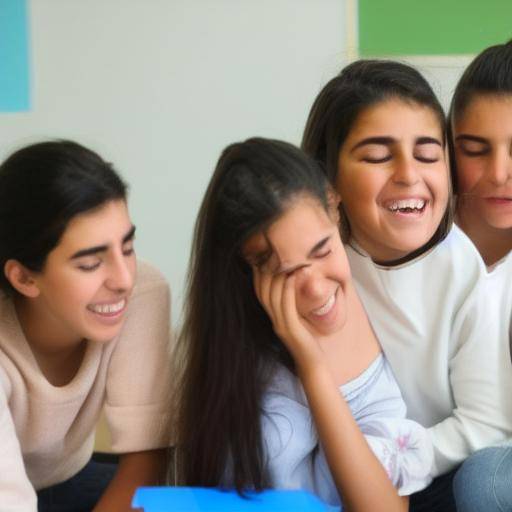
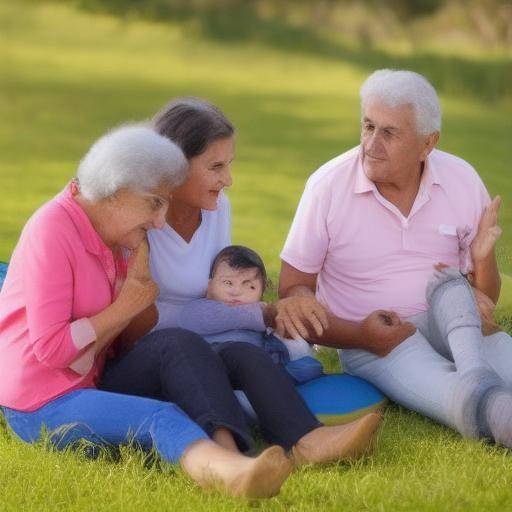
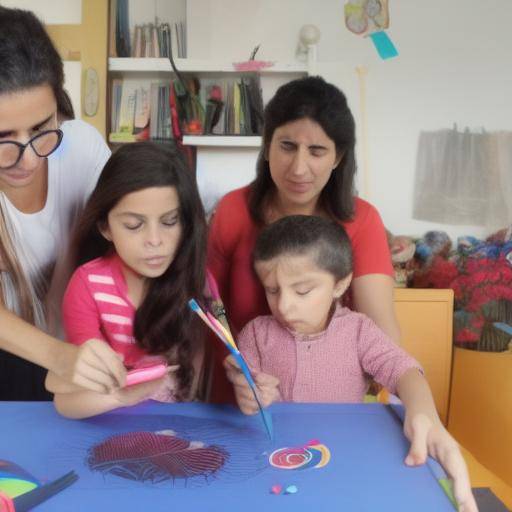
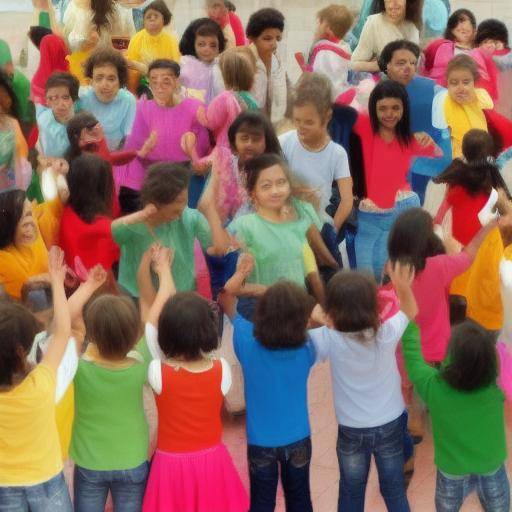
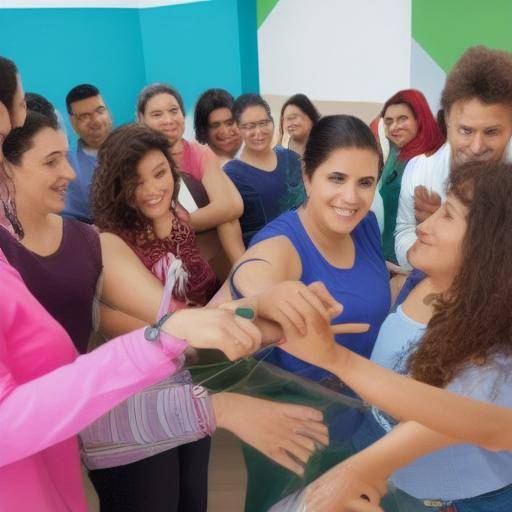
Activities designed to involve older children and adults can be a whole universe of possibilities, providing moments of fun, learning, and enrichment for both generations. These activities not only promote interaction and love, but also foster mutual understanding, respect and appreciation. They contribute to strengthening family and community ties, promoting an environment of inclusion and diversity in which everyone feels valued and appreciated.
History and Background of Intergenerational Relations
Intergenerational relations have been a constant throughout the history of humanity. From tribal communities to contemporary family structures, coexistence and learning between different generations has been a fundamental pillar in the transmission of knowledge, traditions and values. At present, this interaction has been enriched with the development of specific activities that seek to strengthen emotional and emotional ties between children and older adults.
The Evolution of Intergenerational Relations
Over time, intergenerational relationships have experienced significant changes, influenced by social, economic and cultural factors. Previously, families used to live under the same roof, facilitating intergenerational interaction and mutual care. Over time, technological advances, increased mobility and other sociodemographic changes have changed the way in which different generations interact. Currently, activities designed to connect older children and adults seek to adapt to these new scenarios, fostering inclusion and mutual respect.
Significant Milestones and Developments
Throughout history, significant milestones and developments have occurred in the area of intergenerational relations. Since the creation of intergenerational volunteer programmes to incorporate educational activities that seek to promote contact between children and older adults, multiple initiatives have been generated to strengthen intergenerational links. These milestones reflect the growing awareness of the importance of these relationships and their positive impact on the well-being and development of all those involved.
Deep Analysis of Activities to Connect to Children and Older Adults
The activities that bind older children and adults offer many benefits for both generations. From cultural enrichment to emotional support, through mutual learning, these experiences have a significant impact on personal and social development. The detailed analysis of these benefits, as well as the challenges faced by these activities, provides an integral view of their importance and potential.
Benefits of Inter-Agency Activities
Activities that connect children and older adults provide significant benefits for both generations. For children, these activities allow them to develop social skills, empathy and respect for older people. In addition, they promote a deeper understanding of the history, traditions and experiences of their ancestors, which contributes to their cognitive and emotional development. On the other hand, for older adults, these activities offer opportunities to share their knowledge, convey values and feel valued and useful, providing them with a sense of purpose and providing cognitive and emotional benefits.
Challenges and Challenges
Despite the many benefits they offer, intergenerational activities also face challenges and obstacles. The generation gap, cultural differences, mobility and time availability are only a few of the factors that can hinder the creation and sustainability of these activities. Furthermore, it is essential to address negative perceptions or stereotypes that may exist between the two generations, and to create safe and welcoming spaces where mutual understanding and respect are encouraged.
Comprehensive Review of Activities to Connect to Children and Older Persons
The detailed analysis of activities designed to connect older children and adults allows us to better understand their scope, application and potential to promote meaningful and enriching intergenerational relationships.
Practical Applications
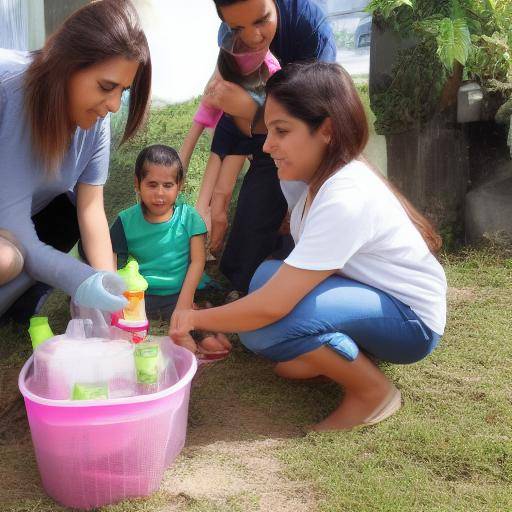
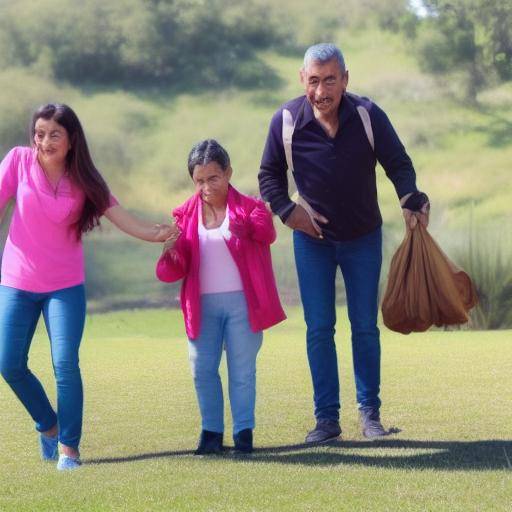
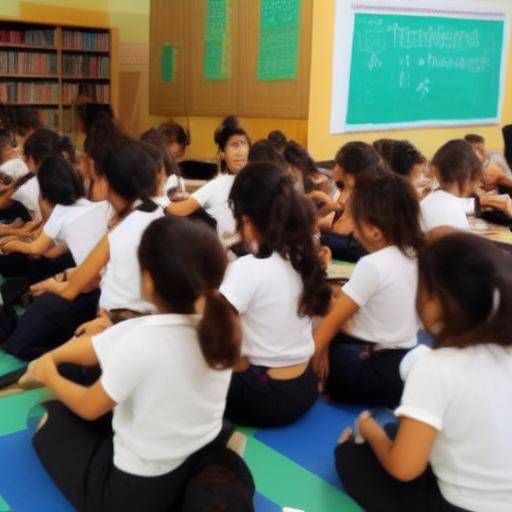
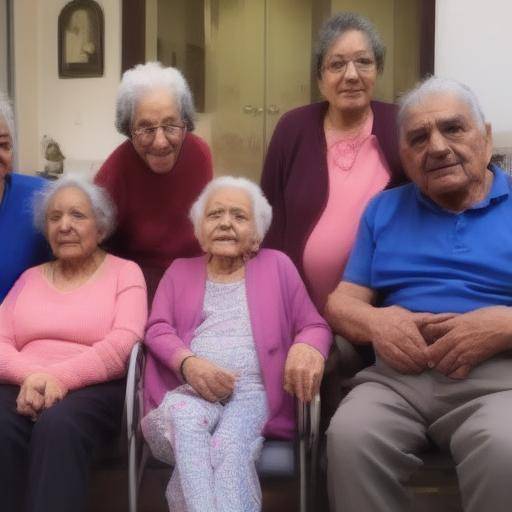
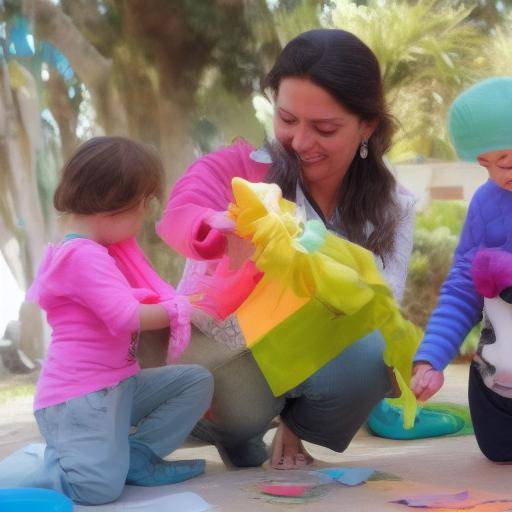
Intergenerational activities can be implemented in a wide variety of environments, such as schools, community centers, nursing homes, or even in family settings. Programs such as "adoption" of grandparents, visits to nursing homes, knowledge-sharing projects, or shared cultural activities are examples of successful practices that have proven to strengthen affective ties and understanding between children and older adults.
Best Practices and Strategies
Some of the best practices to facilitate and maintain intergenerational activities include the creation of accessible and secure environments, the promotion of diversity and inclusion, and the establishment of activities that are attractive and meaningful for both generations. In addition, actively involving families and the community in planning and implementing these activities is critical to strengthening their long-term impact and sustainability.
Comparative Analysis of Activities, Intergenerational Relations and Connection
The comparison between the different activities, the concept of intergenerational relationships and the value of the generational connection offers a wide and enriching perspective on the importance of these interactions.
Similarities and Variances
While all activities, intergenerational relationships and the connection between children and older adults share the common goal of strengthening intergenerational ties, each of these elements has unique characteristics and approaches. While activities focus on mutual participation and enrichment through shared experiences, intergenerational relationships involve continuous interaction and the building of emotional ties over time. For its part, the generational connection encompasses a broader approach that goes beyond direct interactions, seeking to promote deep and sustainable understanding among different generations at the social and cultural level.
Synergies and Opportunities
The effective combination of activities, intergenerational relationships and generational connection can generate powerful synergies. For example, well-planned activities can catalyse significant intergenerational relationships, while generational connection strengthens and expands the impact of these relationships on society as a whole. Recognizing and taking advantage of these opportunities can boost the development of programmes and policies that foster strong and sustainable intergenerational relations.
Practical Tips and Accessible Recommendations
In order to promote activities that connect older children and adults effectively, it is essential to have practical advice and actionable recommendations that guide the creation and implementation of intergenerational programmes and activities.
Planning and Implementation Councils
- To involve the community and families in planning and implementing activities.
- Consider the preferences, needs and skills of both generations when designing the activities.
- Establish a welcoming and secure environment that promotes participation and mutual respect.
- Provide spaces for sharing knowledge and experiences between children and older adults.
- Promote cultural and generational diversity through activities that highlight the traditions and values of each generation.
Recommendations for Maintenance and Evaluation
- Regularly assess the impact and effectiveness of intergenerational activities, collecting feedback from participants and managers.
- Adjust activities according to the needs and interests of the generations involved to maintain their relevance and effectiveness over time.
- Maintain open and transparent communication among the parties involved, promoting a culture of collaboration and continuous improvement.
Ideas de Experts y Perspectivas de la Industria
The analysis of activities, intergenerational relationships and generational connection is further enriched by considering the perspectives and recommendations offered by experts in the field of gerontology, the psychology of development, social work and other related disciplines.
Reflections and Predictions
Experts emphasize the importance of creating living spaces in which children and older adults can interact significantly, highlighting the positive impact these relationships have on the emotional and social development of both groups. They also note the need to adapt intergenerational activities to a changing world, taking advantage of the opportunities offered by emerging technologies and promoting the active and equitable participation of all generations.
Interviews and Highlights
Interviews with experts in gerontology, pedagogy and social work reveal the importance of adopting a holistic and person-centred approach in designing activities that connect children and older adults. In addition, they highlight the need to address the emotional and psychological needs of both generations, fostering an environment of mutual understanding, tolerance and enrichment.
Case Studies and Practical Applications in Real Life
Case studies offer a practical and concrete view of intergenerational activities, showing how they are implemented in real environments and the impact they generate in the community and the well-being of participants.
Impact and Lessons Learned
Case studies show how intergenerational activities can contribute to the creation of more inclusive, resilient and enriching communities. These examples highlight the positive impact on the emotional and social well-being of participants, as well as the transmission of knowledge and values that strengthen the social and family fabric.
Examples in Different Contexts
Case studies cover a wide range of contexts, from school programmes to community initiatives and assistance projects to older persons. These examples show the versatility and potential of intergenerational activities to generate a positive impact on society in general, promoting greater understanding and respect among generations.
Future Trends and Predictions
In considering future trends related to intergenerational activities, it is possible to foresee possible developments and opportunities that can impact the design and implementation of programmes and activities in the coming years.
Technological Advances and New Opportunities
The advancement of technology offers new opportunities to strengthen intergenerational relationships, facilitating distance interaction, knowledge sharing and collaboration in joint projects. Similarly, the incorporation of intergenerational approaches into public policies and educational programmes shows a clear trend towards the recognition and promotion of these activities as a fundamental pillar in the integral development of societies.
Emerging Challenges and Possible Challenges
Despite the opportunities seen in the horizon, there are also emerging challenges, such as social isolation, the digital divide and the ageing of the population, which can impact the implementation and sustainability of intergenerational activities. Addressing these challenges will require a holistic and collaborative approach that involves governments, non-governmental organizations, educational institutions and society as a whole.
Conclusion
In short, activities designed to connect older children and adults represent a unique opportunity to strengthen emotional ties, foster mutual learning and enrich the emotional and social well-being of both generations. These meetings promote respect, understanding and mutual appreciation, contributing to the creation of more inclusive, resilient and supportive communities. It is essential to recognize the value and importance of these activities, to design strategies that promote their implementation and sustainability, and to work collaboratively to create a future in which intergenerational relationships are an integral part of the social and community fabric.
Frequently asked questions
What are some examples of intergenerational activities?
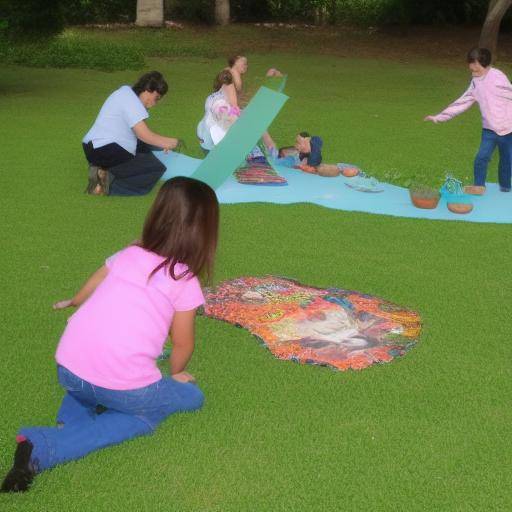
Examples of intergenerational activities include visits to nursing homes, shared reading programs, skills-sharing projects (such as art, music or crafts), sports and recreational activities, or community projects involving both generations.
How can intergenerational activities benefit older children and adults?
Intergenerational activities offer significant benefits for both generations. For children, these activities promote the development of social skills, empathy and respect for older people. For older adults, they provide opportunities to share their knowledge, convey values and feel valued and useful, which gives them a sense of purpose and cognitive and emotional benefits.
What are some potential obstacles to intergenerational activities?
Some obstacles to the implementation of intergenerational activities include the generation gap, cultural differences, mobility and time availability. It is also important to address negative perceptions or stereotypes that may exist between both generations, and to create safe and welcoming spaces where mutual understanding and respect are encouraged.
How can the impact of intergenerational activities be assessed?
The impact of intergenerational activities can be assessed by collecting feedback from participants and managers, observing changes in behavior and attitudes, and measuring emotional and social welfare indicators. Regular assessments are essential to adjust activities according to the needs and interests of the generations involved.
What role do emerging technologies play in promoting intergenerational relationships?
Emerging technologies offer new opportunities to strengthen intergenerational relationships, facilitating distance interaction, knowledge sharing and collaboration in joint projects. In addition, technologies can play a crucial role in reducing the digital divide and in promoting the inclusion of all generations in the current digital society.
What is the importance of fostering intergenerational relationships in today's society?
Fostering intergenerational relationships is crucial in today's society, as it promotes mutual understanding, respect and appreciation among different generations. These relationships enrich the social fabric, transmit knowledge and values, and contribute to the emotional and social well-being of all involved, promoting a more inclusive, supportive and resilient society.