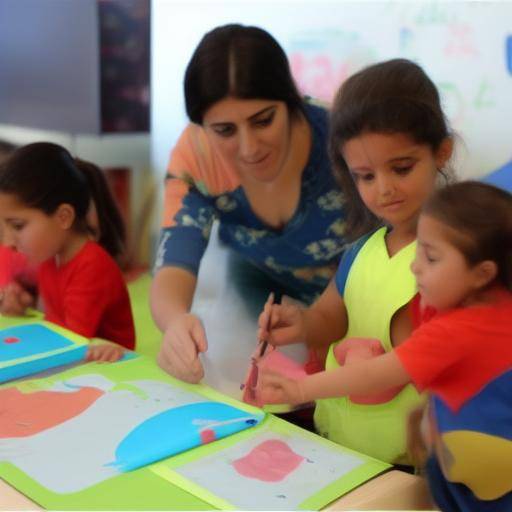
At present, cultural diversity has become a crucial issue in our communities. Promoting cultural diversity through projects is an effective way of fostering understanding, respect and inclusion in society. In this article, we will explore the importance of projects to promote cultural diversity in the community, as well as inspirational and practical examples to carry out such projects.
Introduction
Cultural diversity is a fundamental component of the identity of a society. The interaction between different traditions, customs, languages and artistic expressions enriches the cultural landscape and promotes intercultural dialogue. However, their promotion and protection depend largely on the action of individuals and communities. It is in this context that projects to promote cultural diversity are relevant.
In this article, we will explore how projects focused on cultural diversity can contribute to building more inclusive and respectful societies. From its historical importance to current best practices, our goal is to provide an integral vision of projects aimed at fostering cultural diversity in the community.
History and Background
Projects to promote cultural diversity have deep historical roots. From efforts to preserve indigenous traditions to international cultural rights campaigns, the history of cultural promotion is marked by significant progress and persistent challenges.
Origins and Meaning
The preservation and promotion of cultural diversity has been a concern since time immemorial. The first human communities already developed practices to preserve and transmit their traditions, languages and artistic expressions. These initiatives laid the foundation for the promotion of cultural diversity in modern societies.
Significant Milestones and Developments
During the twentieth century, significant progress was made in promoting cultural diversity at the international level. The adoption of the Universal Declaration of Human Rights in 1948 marked a turning point in the recognition of cultural rights as an integral part of universal human rights.
Case studies
An outstanding example is the UNESCO Convention on the Protection and Promotion of the Diversity of Cultural Expressions, adopted in 2005. This Convention established a framework for international cooperation in the cultural field and laid the foundation for numerous projects worldwide.
Deep analysis
The promotion of cultural diversity through projects presents a number of challenges and opportunities. From the benefits it brings to social cohesion to the obstacles it faces in practice, it is important to fully understand the key aspects of this initiative.
Benefits and Challenges
Cultural diversity enriches society by fostering creativity, exchange of ideas and tolerance. However, effective management of this diversity requires a deliberate and sustained approach. Cultural projects can contribute to social integration, but they also face challenges such as funding, community participation and impact assessment.
Current Trends and Relevant Data
The use of digital technology has transformed the way cultural diversity is promoted and disseminated. Online platforms, social networks and collaborative tools facilitate interaction between different cultural communities and open new opportunities for project promotion.
Examples and Case Studies
The "Cultural Citizenship" program in Argentina has been recognized for its innovative approach in promoting cultural diversity at the local level. Through a combination of creative workshops and community activities, the program has managed to involve a wide range of participants and encourage the assessment of cultural diversity in the city.
Comprehensive review
Cultural diversity is manifested in various ways in society, and advocacy through projects can effectively address these expressions. It is crucial to explore how projects with a cultural approach are implemented, evaluated and can influence the long-term social landscape.
Practices and Best Practices
Intercultural collaboration in artistic and educational projects has proved to be an effective way of fostering cultural diversity. The exchange of knowledge and co-creation across cultural borders promote mutual understanding and integration.
Opinions of Experts and Future Perspectives
According to cultural anthropologist Manuel Castells, cultural diversity is an essential resource for creativity and innovation in contemporary society. As communities become aware of the importance of cultural diversity, more projects with an intercultural approach are expected to emerge.
Comparison of Methods and Approaches
Participatory approaches in the planning and implementation of cultural projects have demonstrated greater legitimacy and long-term sustainability. In contrast, unidirectional approaches that impose cultural visions can lead to unwanted results, such as cultural appropriation or alienation.
Comparative analysis
Projects to promote cultural diversity are intertwined with intercultural relations and advocacy, generating synergies that multiply their impact and reach. By analysing these three elements in a comparative manner, we can better understand their interconnection and their role in building inclusive societies.
Similarities and Variances
Projects, intercultural relations and promotion share the common objective of fostering positive interaction between different cultural groups. However, everyone addresses this objective from different perspectives and strategies, which enriches the diversity of available approaches.
Examples and Scenarios Detailed
In a joint project between two communities with different cultural heritages, the promotion of cultural diversity can be achieved through the creation of collaborative spaces for artistic expression and the promotion of intercultural festivals. These events not only foster mutual understanding, but also strengthen intercultural relations.
Practical Suggestions and Accessible Tips
In carrying out projects to promote cultural diversity, it is essential to have specific strategies and practices that promote participation and positive impact in the community. Here are some practical suggestions for those wishing to undertake initiatives in this area.
- Promote the active participation of representatives of various communities in project planning and decision-making. This will ensure the authenticity and cultural relevance of initiatives.
- Use art and culture as tools for dialogue and building bridges between different communities. Artistic expressions offer a universal language that can transcend linguistic and cultural barriers.
- Promote intercultural education in schools and communities, fostering understanding and respect from early ages.
Industry Reflections and Expert Reviews
Cultural diversity and its promotion through projects have a significant impact on various fields, from art and education to community development and cultural diplomacy. We will then explore some reflections of experts and industry leaders on the role of projects in promoting cultural diversity.
Future and Understanding Implications
The director of the European Commission for Culture, Androulla Vassiliou, highlights the importance of community projects for sustainable cultural development. In fostering cultural diversity at the local level, the foundations for deeper understanding and more meaningful intercultural cooperation at the international level are laid.
Interviews and Dating
"Projects to promote cultural diversity play a key role in building inclusive and respectful societies. As we face the challenges of globalization, it is crucial that communities embrace and value their cultural diversity as a fundamental asset." - Ana Gomes, expert in community development and cultural diversity.
Case Studies and Practical Applications
The effectiveness of projects to promote cultural diversity can be seen through case studies that highlight their impact on communities. Here are concrete examples of projects that have managed to promote cultural diversity significantly.
Results and Lessons Learned
The "Cultura Viva" project in Brazil has shown how the promotion of cultural diversity through artistic and educational activities can strengthen the sense of identity and belonging in local communities. The creation of inclusive spaces for cultural expression has generated a positive impact on the social cohesion and self-esteem of the participants.
Diverse Industries and Contexts
In the business context, the implementation of cultural diversity programmes has proved to be advantageous for the integration of multicultural teams and the expansion of global markets. Organizations that value and promote cultural diversity through projects demonstrate a commitment to equity and innovation.
Future Trends and Predictions
As the world faces growing challenges and opportunities due to global interconnection, trends related to cultural diversity and their promotion through projects are evolving. We will then explore some emerging trends and future predictions in this area.
Technological Innovation and Global Collaboration
The integration of digital technologies as tools for the promotion of cultural diversity is a significant trend. Online collaborative platforms, virtual reality and transmedia narratives offer new ways to connect and share cultural experiences, breaking geographical and linguistic barriers.
Challenges and Opportunities
The management of cultural diversity in densely populated urban environments poses unique challenges, but also offers opportunities for the creation of intercultural spaces and the promotion of peaceful coexistence. Projects to address these challenges are expected to play a crucial role in building inclusive and resilient cities.
Conclusion
Projects to promote cultural diversity in the community are key to strengthening social cohesion, preserving cultural heritage and promoting intercultural dialogue. Through the exploration of its history, deep analysis, comparison, practical applications and future predictions, we have addressed the issue from different perspectives.
These projects not only contribute to inclusion, respect and integration, but also enrich the social fabric and promote peace and mutual understanding. We hope that this article has provided an integral vision of projects to promote cultural diversity in the community, inspiring readers to consider how they can contribute to building more diverse and equitable societies.
Frequently asked questions
What is the importance of cultural diversity in the community?
Cultural diversity enriches the community by promoting understanding, respect and tolerance among different cultural groups. It also fosters creativity, innovation and knowledge-sharing.
What challenges do projects face to promote cultural diversity?
Some common challenges include funding, community participation, impact assessment and intercultural conflict management. However, overcoming these challenges can strengthen social cohesion and sustainable development.
How can companies promote cultural diversity through projects?
Companies can promote cultural diversity through the implementation of diversity programs, the holding of intercultural events and the support of local artists and cultural organizations.
What is the role of technology in promoting cultural diversity through projects?
Technology plays a crucial role in facilitating global collaboration, disseminating cultural expressions and creating virtual spaces for intercultural exchange. Online platforms and digital tools can amplify the impact of cultural projects.
How can projects to promote cultural diversity contribute to the construction of inclusive cities?
Projects can contribute to the construction of inclusive cities by fostering intercultural coexistence, creating intercultural spaces and promoting diversity through events and activities involving the community.
What role do schools play in promoting cultural diversity through educational projects?
Schools play a crucial role in promoting cultural diversity through educational projects that promote respect, appreciation of diversity and knowledge of various cultures, contributing to the formation of interculturally competent citizens.
With these frequent questions, we hope to have addressed your concerns about promoting cultural diversity through projects, offering valuable insights and recommendations for implementation and understanding.
In conclusion, the promotion of cultural diversity through projects is essential for building inclusive and harmonious societies. Through deep understanding of the value of diversity, the application of best practices and the recognition of future trends, we can move towards a future in which diversity is celebrated and valued as an enriching asset for our communities.