The importance of intergenerational relationships in the family is a topic of great relevance in today's society. Interactions between different generations within a family play a crucial role in transmitting values, family cohesion and emotional well-being. In this article, we will explore in depth the meaning, historical evolution, benefits, challenges, current and future trends, as well as practical advice and expert reflections on this topic.
Introduction
Since ancient times, intergenerational interaction has been fundamental in family structure and dynamics, being a fundamental pillar in the transmission of knowledge, traditions and values. At present, in a context in which life expectancy has increased and family dynamics have evolved, the importance of intergenerational relationships plays a leading role in building a solid and harmonious society.
History and Background
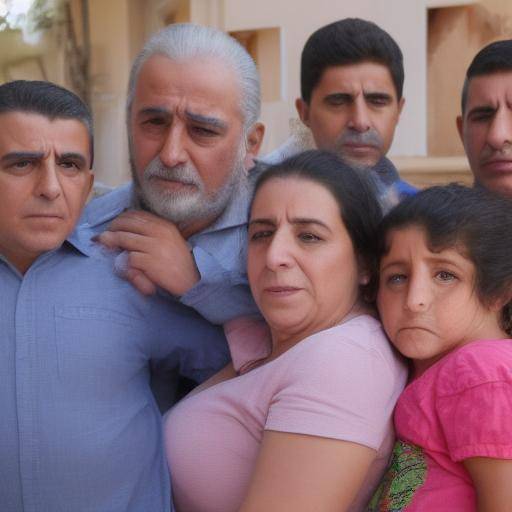
Intergenerational relations in the family have a very important historical background. From ancient civilizations to today, the exchange of experiences and wisdom between different generations has been vital to human development. The role of grandparents, the transmission of traditions and generational cohesion have been fundamental pillars throughout history. In key moments, such as wars, migrations and social transformations, these relationships have been both elements of strength and adaptation.
Analysis in Deep
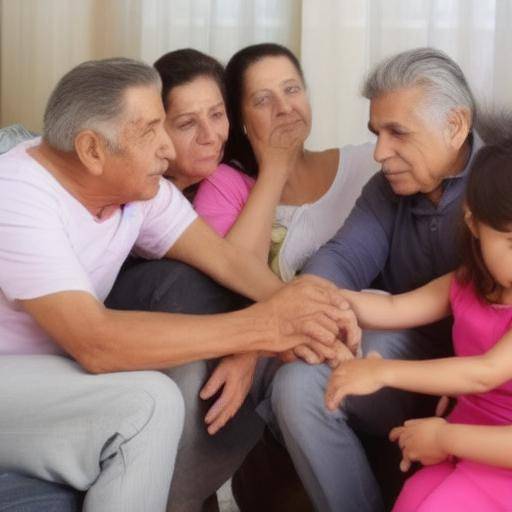
The connection between different generations within the family carries multiple benefits. Studies have shown that the active presence of grandparents improves the emotional well-being of grandchildren, transmitting values and generating strong emotional ties. However, challenges also arise, such as the digital divide that can hinder intergenerational communication in the era of technology.
Exhaustive examination
The importance of cultivating these relationships is essential to promoting respect, understanding and solidarity among multiple generations, ensuring a solid basis for the emotional and mental well-being of each family member. It is crucial to adapt to the dynamics of modern society to ensure that traditions and values are effectively transmitted.
Comparative analysis
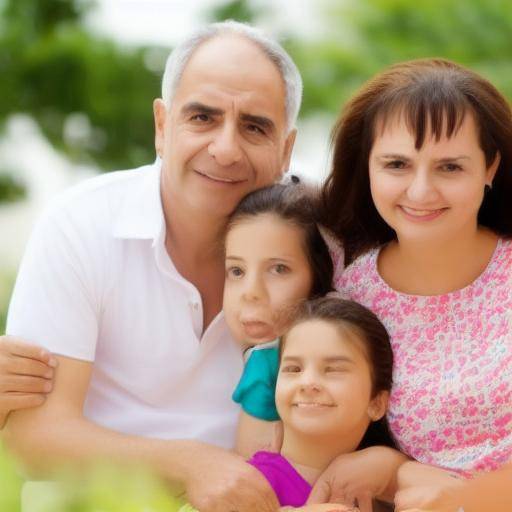
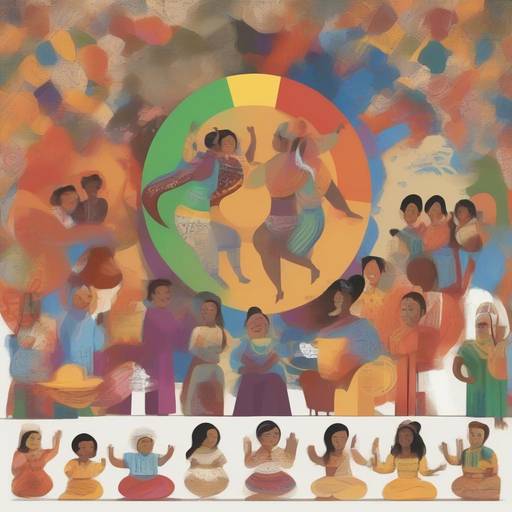
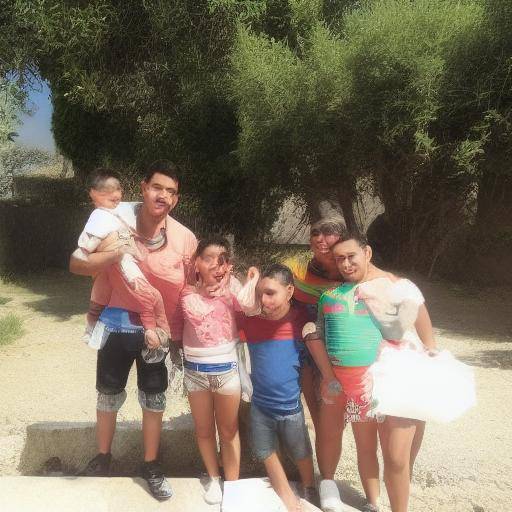
The importance of intergenerational relationships in the family and their influence on the transmission of values and family cohesion is reflected in multiple aspects, both emotionally and socially. Interaction between generations strengthens the sense of belonging and enriches the family environment. Despite generational differences, synergies are evident that contribute to personal and collective development.
Practical Tips and Recommendations
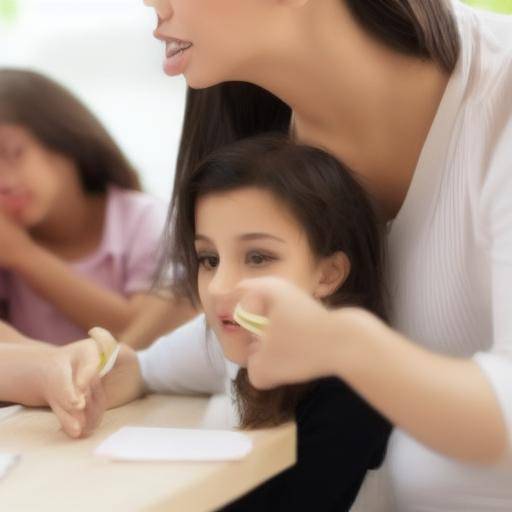
To foster the consolidation of intergenerational relationships in the family, it is crucial to establish spaces for dialogue, active participation and mutual respect. The inclusion of shared activities that foster knowledge-sharing and experience strengthens family ties and fosters an enabling environment for personal development.
Industry Perspectives and Expert Reviews
Several experts agree on the importance of promoting intergenerational interaction in the family as a pillar for transmitting values and emotional well-being. In a world characterized by rapid changes, it is vital to recognize the enriching potential of these relationships in the integral formation of individuals and in the construction of a more solid and just society.
Case Studies and Practical Applications
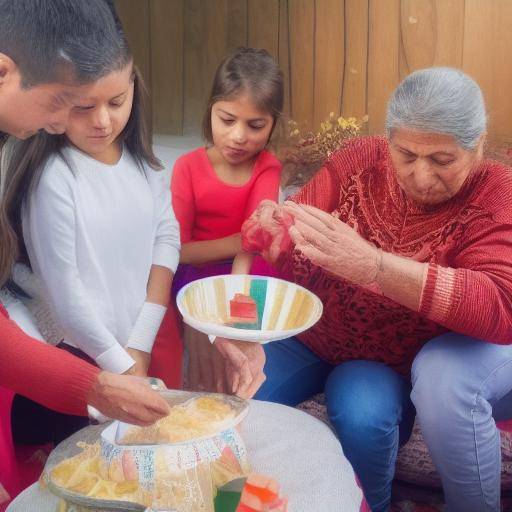
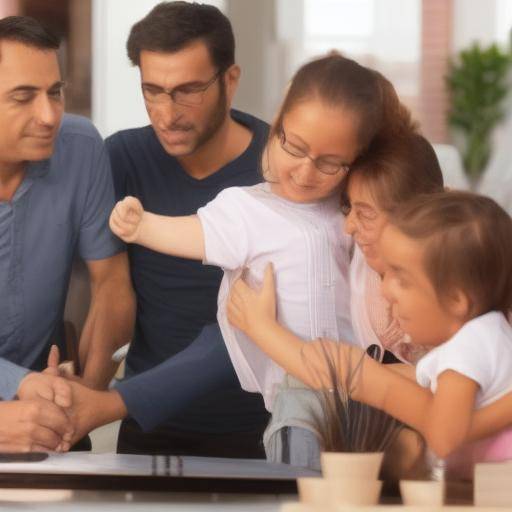
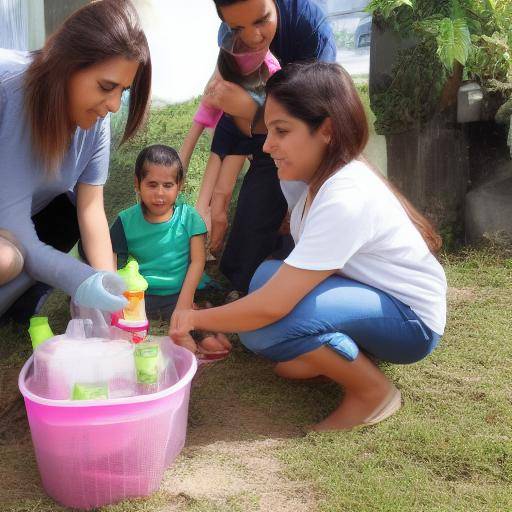
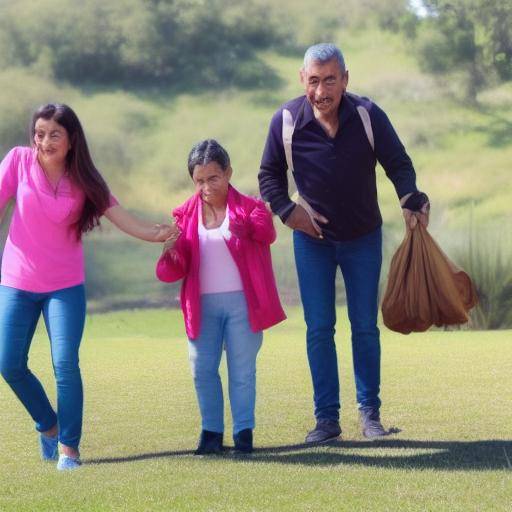
Case A: In a family where the grandmother shares her traditional recipes with her grandchildren, an affective and cultural link is created that transcends generations, strengthening the feeling of identity and belonging.
Case B: The participation of multigenerational families in community activities promotes intergenerational understanding and respect for differences.
Future Trends and Predictions
In the face of the accelerated evolution of society, it is plausible that intergenerational relations in the family continue to acquire a leading role in the configuration of family and social well-being. It is crucial to be aware of the evolution of family dynamics and the adoption of measures that strengthen these relationships in the future.
Conclusions
The importance of intergenerational relationships in the family lies in its power to convey values, strengthen emotional ties and promote mutual enrichment. It is essential to actively recognize and encourage these links to cultivate healthy and sustainable family environments.
Frequently asked questions
1. What is the impact of intergenerational relationships on the family?
The impact is significant in terms of transmitting values, strengthening family identity and emotional support throughout generations.
2. How can generational barriers be addressed in family relationships?
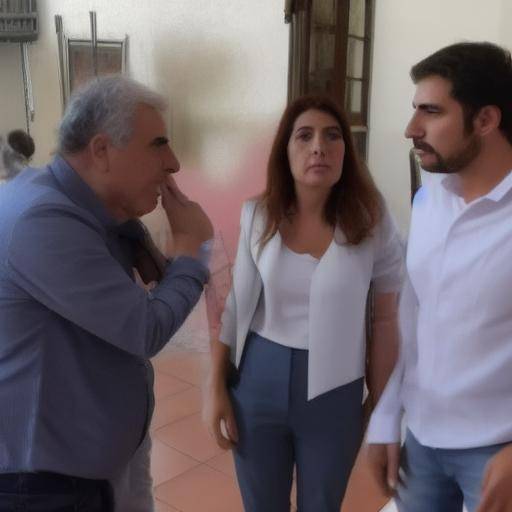
Open dialogue, empathy and the search for connecting points are essential to overcome these barriers and strengthen intergenerational relationships.
3. How does technology affect intergenerational relationships in the family?
If used in a balanced manner, technology can open spaces for more fluid intergenerational communication and connection, but it is important to avoid replacing personal contact.
4. What is the emotional impact of intergenerational relationships on children and adolescents?
These relationships allow children and adolescents to feel safe, valued and connected with their cultural heritage, which positively influences their emotional development.
5. How can intergenerational relations be promoted in today's society?
Through intergenerational programs in the community, common spaces of interaction and active recognition of the importance of these relationships in family and social policies.
6. What role do intergenerational relationships play in active aging?
These relationships contribute significantly to active ageing by providing emotional support, maintaining vitality and transmitting wisdom and experiences.
In short, the importance of intergenerational relationships in the family is indisputable. These relationships not only strengthen emotional ties, but are also crucial for the transmission of values, family identity and well-being over time. By recognizing its positive impact, fostering and celebrating these relationships, the core of society is strengthened and a more solid and harmonious future is built for generations to come.