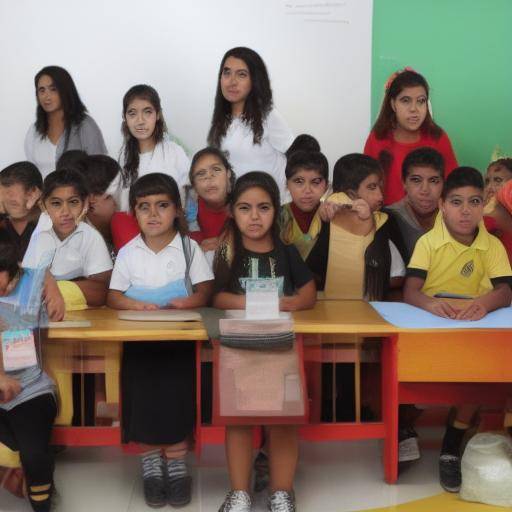
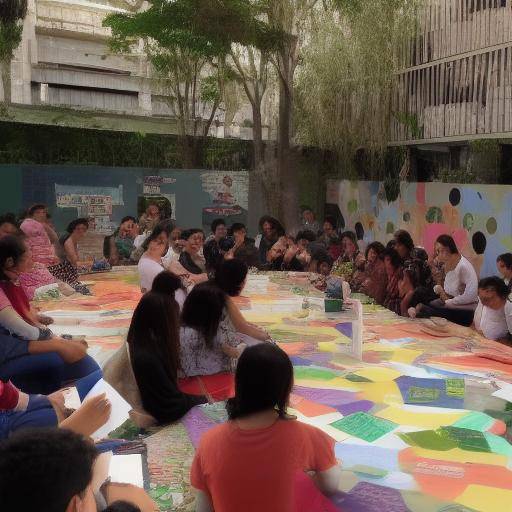
The development of ethics in students is essential to foster a just and responsible society. Educational projects play a crucial role in instilling ethical and moral values. In this article, we will explore the importance of projects in the ethical training of students and provide effective strategies for their implementation. From history and background to future trends, this article will comprehensively address the issue of projects to develop ethics in students.
Introduction
Ethics, as a set of moral principles governing human behaviour, is essential for personal development and harmonious coexistence in society. In the educational context, the promotion of ethics and moral values has become a priority, since it not only contributes to the individual well-being of students, but also lays the foundation for a more equitable and compassionate society. Ethical-centred educational projects offer an invaluable opportunity to inculcate these values in a practical and meaningful way. Throughout this article, we will explore in depth how projects can be used as powerful tools for the development of ethics in students.
History and Background
Projects to develop ethics in students have their roots in older educational principles. From the philosophical schools of ancient Greece to modern educational systems, the promotion of ethics has been a fundamental component of education. Over the centuries, the importance of ethics in the formation of individuals has been recognized and promoted by thinkers, educators and leaders from around the world.
In the nineteenth century, moral and civic education became a central component of formal educational systems, with an emphasis on the transmission of ethical values to young generations. In the twentieth century, there was a significant shift towards more interactive and participatory approaches in the teaching of ethics, with the implementation of projects and practical activities.
In-depth Analysis
The commitment of students to ethical projects can open up a valuable space for reflection and the development of their moral conscience. Education projects that integrate ethical issues not only encourage critical thinking and informed decision-making, but also promote empathy, social responsibility and mutual respect. By allowing students to address real ethical problems and find solutions, these projects prepare them to face the moral challenges that may arise in their personal and professional lives.
Benefits of Ethical Projects for Student Development
- Promotion of ethical reflection: Projects give students the opportunity to reflect on moral decisions in a safe and supportive educational environment.
- Development of ethical decision-making: By participating in debates, case analysis and simulations, students strengthen their skills to make informed ethical decisions.
- Promoting empathy: Ethical projects allow students to put themselves in the place of others and consider how their decisions affect those around them.
- Preparation for moral challenges: In confronting ethical dilemmas within an educational context, students acquire confidence and competence to address ethical challenges in their future lives.
Challenges in the Implementation of Ethical Projects
Despite its benefits, the implementation of ethical projects in educational settings can face certain challenges. The identification of appropriate ethical issues, the management of sensitive debates and the objective assessment of the ethical responses of students are just some of the obstacles that educators must overcome. However, with careful planning and adequate support, these challenges can be effectively addressed, allowing ethical projects to flourish and have a positive impact on the development of students' ethics.
Comparative Analysis
When comparing projects aimed at the ethical development of students with other educational strategies, it is clear that these projects offer a unique platform for the practical application of ethical principles. Unlike theoretical lessons, projects allow students to interact with real ethical dilemmas, face challenges collaboratively and find creative and ethical solutions. This modality offers an immersive experience that not only strengthens the understanding of ethics, but also cultivates vital skills for the daily life and professional future of students.
Practical Tips and Actionable Advice
Here are some practical strategies for designing and implementing projects that promote the ethical development of students:
- Selection of relevant topics: Identify contemporary ethical issues that resonate with the experience and concerns of students.
- Promoting open dialogue: Creating a safe and respectful environment that encourages students to participate in meaningful discussions on ethical dilemmas.
- Interdisciplinary integration: Design projects that incorporate multiple study areas to promote a holistic understanding of ethical problems.
- Reflective evaluation: Provide systematic opportunities for students to reflect on their ethical decisions and the impact of their actions.
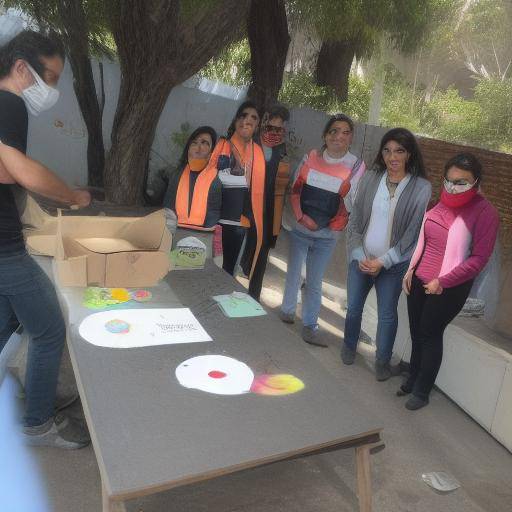
- Community collaboration: Establish connections with local organizations to involve students in ethical projects that benefit the community.
Industry Insights and Expert Opinions
According to Dr. María Rodríguez, an educational ethics expert, "Ethical projects empower students to make informed decisions in an increasingly complex and challenging world. By engaging in real ethical situations, students develop skills that transcend the academic realm and prepare them to be ethical and committed citizens. "
Case Studies and Real-Life Applications
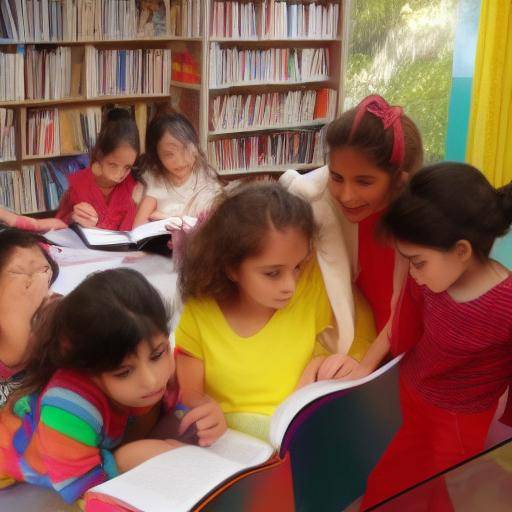
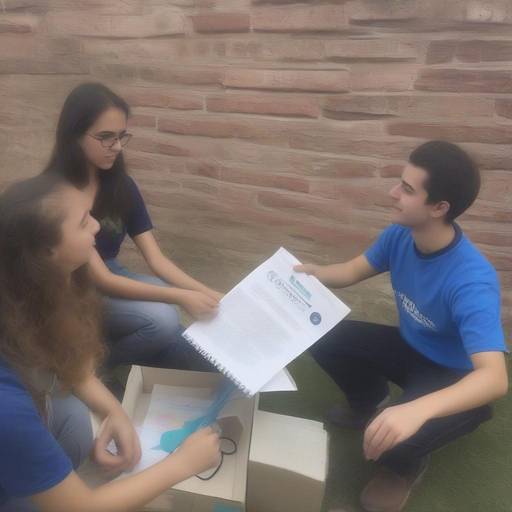
An outstanding example of a successful ethical project is the "Ethic in Action" program implemented in a secondary school in Spain. Students worked in teams to identify and address ethical problems in their school and community environment. Through debates, research and concrete actions, they achieved a significant impact on the ethical culture of the school.
Future Trends and Predictions
As education continues to evolve, ethical projects are expected to be central to the school curriculum. Advances in technology and globalization will facilitate collaboration among students from different parts of the world, creating opportunities to address global ethical issues. In addition, there is a greater focus on integrating ethical projects in higher education, preparing students to face complex ethical dilemmas in their future careers.
Conclusion
In short, the role of projects in the development of ethics in students is undeniable. Through practical experiences, meaningful dialogues and deep reflections, ethical projects not only enrich the education of students, but also contribute to the formation of ethical and committed citizens. By strategically integrating ethical-oriented projects into the educational environments, the foundations for a more just and compassionate society are laid.
FAQs
What types of projects are effective in promoting ethics in students?
Projects involving community service activities, analysis of real-world ethical dilemmas, structured debates on moral issues and collaborative resolution of ethical problems are particularly effective in promoting ethics in students.
What is the role of the educator in the implementation of ethical projects?
Educators play a crucial role in guiding and facilitating ethical discussions, providing moral guidance, fostering a respectful environment and modeling ethical behaviors.
How can the results of ethical projects be evaluated?
The evaluation of ethical projects may include the observation of the commitment of students, the quality of their ethical reflections, and the positive impact that the project has on the community or school environment. Tools such as assessment and surveys can also be used to collect feedback.
What is the importance of ethics in education?
Ethics in education prepares students to face moral dilemmas in everyday and professional life, promotes empathy and respect for others, and encourages informed and ethical decision-making.
How can ethical projects impact the formation of responsible citizens?
Ethical projects offer students the opportunity to apply their ethical values in real situations, which gives them the necessary experience to become responsible and ethical citizens.
What is the link between ethical projects and the development of social and emotional skills?
Ethical projects involve students in experiences that promote empathy, collaboration, conflict resolution and critical thinking, which in turn contributes to the development of key social and emotional skills.
What is the long-term impact of ethical projects on the lives of students?
Ethical projects can have a significant impact on the lives of students by strengthening their ability to make ethical decisions, foster a sense of social responsibility and shape their identity as ethical and committed citizens.
Conclusion:
Projects to develop ethics in students represent a powerful tool to foster comprehensive development and the formation of responsible citizens. By providing meaningful experiences aimed at ethical reflection, informed decision-making and collaborative action, these projects prepare students to face the moral challenges of everyday life and contribute positively to society. By effectively integrating these projects into the educational environment, they form the basis for a more ethical, equitable and compassionate community.