The promotion of respect among students is essential to foster a positive and enriching environment in educational settings. Through activities designed to cultivate healthy relationships and foster mutual respect, students can acquire valuable social skills that will serve them throughout their lives. In this article, we will explore a variety of effective activities to promote respect among students, as well as their positive impact on interpersonal relationships and personal development.
Introduction
Daily interactions in the school environment can significantly influence how students perceive their peers, as well as building their identity and values. It is therefore crucial to create opportunities for students to participate in activities that promote mutual respect, empathy and understanding. In this article, we will discover a variety of initiatives that have proven to be effective in promoting respect among students, as well as their relevance in the current educational context.
History and Background
Activities aimed at promoting respect among students have deep roots in educational philosophy, since the integral formation of individuals not only focuses on the academic sphere, but also on the development of social and emotional skills. From the pedagogical approaches of thinkers such as Paulo Freire to contemporary initiatives of education for peace and coexistence, special attention has been paid to building relationships based on respect and inclusion.
The importance of respect in school relations
Mutual respect is essential to fostering an inclusive and secure school environment. Respectful interactions between students promote self-esteem, trust and solidarity, which in turn contributes to a favourable school environment for learning and personal development.
Evolution of practices to promote respect
With the advancement of educational psychology and the pedagogy of coexistence, new strategies and approaches have emerged to promote respect among students. These methodologies integrate theories of social learning, emotional intelligence and peaceful conflict resolution, providing practical tools to cultivate positive and constructive relationships.
Historical examples of successful activities
Throughout history, various educational institutions have implemented programmes and activities that promote respect among students. These include circles of dialogue, collaborative projects, peer mediation and intercultural celebrations, which have proved effective in strengthening ties of mutual respect and understanding among students.
Detailed Analysis
Activities designed to promote respect among students offer a wide range of benefits, but also pose challenges that require a strategic and comprehensive approach. Furthermore, it is essential to address current trends in education and social dynamics that shape interactions in school settings.
Benefits of respect promotion activities
Activities focused on mutual respect and empathy promote social integration, emotional well-being and the prevention of harassment. These initiatives also foster effective communication skills, peaceful conflict resolution and diversity assessment, preparing students for active participation in diverse and plural societies.
Challenges and barriers
Despite its benefits, the implementation of activities to promote respect among students can face challenges, such as institutional resistance, lack of resources and the need to address sensitive issues with sensitivity and maturity. In addition, it is important to recognize that the long-term impact of these activities may be subject to multiple factors, including the family and community environments of students.
Current trends and innovative approaches
The current educational landscape has led to innovative approaches to promoting respect among students, incorporating digital technologies, inclusive narratives and student leadership practices. These approaches reflect a deeper understanding of the interpersonal dynamics and emotional needs of students, as well as a renewed commitment to social justice and educational equity.
Comprehensive review
The promotion of respect among students translates into concrete practices and strategies that can be applied in diverse educational contexts, from primary to secondary and beyond. In addition, the analysis of best practices and case studies provides an enriching view of the effective implementation of activities to promote mutual respect.
Practical applications and featured examples
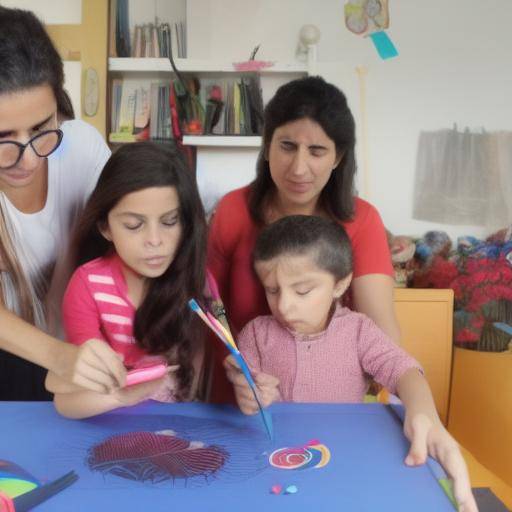
Activities designed to promote respect among students can include collaborative projects, peer mentoring programmes, diversity awareness and inclusion activities, as well as conflict resolution strategies. These practices have been successfully implemented in diverse educational settings, contributing to the creation of more cohesive and respectful school communities.
Expert opinions and future perspectives
The views of experts in education, psychology and child development offer a specialized view on the impact of respect promotion activities, as well as possible developments in terms of approaches and methodologies. These perspectives provide valuable guidance for those who design and implement initiatives related to the promotion of respect among students.
Comparison of approaches and methodologies
The comparative analysis of different approaches to promoting respect among students allows the identification of common elements, as well as specific approaches that are better adapted to particular educational contexts. In considering the differences and similarities between these approaches, educators can select the most appropriate strategies to promote respect among students in their specific environment.
Practical Tips and Accessible Tips
To implement effective activities that promote respect among students, it is crucial to have practical strategies and actionable councils that address the specific challenges and opportunities of each school environment. These practical tips provide detailed guidance for educators, administrators and students.
Practical steps to promote respect
Practical steps may include the organization of open debates, the establishment of rules of coexistence, the promotion of student participation in conflict resolution and the integration of values of respect in the school curriculum. These concrete actions provide tangible opportunities to promote respect among students on a day-to-day basis.
Step-by-step guides for effective activities
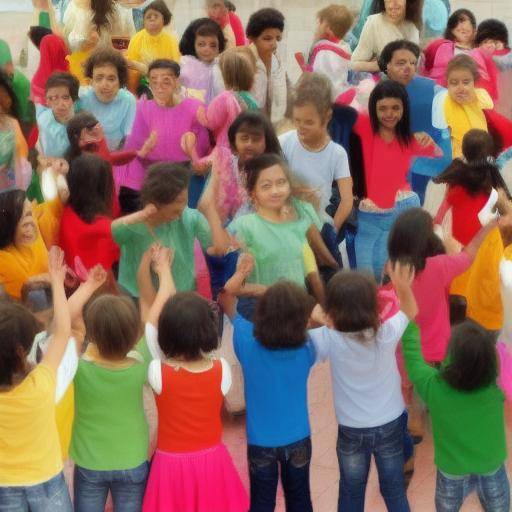
The implementation of specific activities, such as group dynamics, interdisciplinary projects and awareness-raising workshops, requires detailed planning and careful consideration of the objectives, the public and available resources. Step-by-step guides provide a clear framework for the design and implementation of effective activities that promote respect among students.
Significant experiences and testimonies
The experiences and testimonies of those who have participated in activities to promote respect among students offer valuable lessons and perspectives on the transformative impact of these initiatives. These personal narratives illustrate the opportunities for personal and collective growth that arise from the active promotion of respect in the educational environments.
Conclusions and FAQs
Conclusions
The promotion of respect among students through effective activities is at the forefront of education aimed at the integral formation of individuals. The positive impact of these initiatives is reflected in the construction of inclusive, supportive and respectful school communities, which lay the foundation for a more just and compassionate society.
Frequently asked questions
Why is it important to promote respect among students?
Promoting respect among students is crucial to cultivating healthy relationships, fostering empathy and understanding, and creating an enabling school environment for academic and personal development.
How can educators incorporate activities to promote respect in their classes?
Educators can integrate activities as open debates on values, collaborative projects that foster diversity, and group dynamics that promote active listening and mutual respect.
What are some common challenges in implementing activities to promote respect among students?
Common challenges include institutional resistance, the need to address sensitive issues with sensitivity and resource constraints to implement long-term sustainable programmes.
What are some effective strategies to promote respect among students in different school environments?
Effective strategies include promoting student participation in conflict resolution, establishing rules of coexistence, and promoting the integration of values of respect into the school curriculum.
What is the long-term impact of activities to promote respect among students?
The long-term impact can be manifested in building inclusive school communities, in preventing harassment, and in developing communication skills and peaceful conflict resolution in students.
What role do activities play in promoting respect for the formation of responsible and solidarity citizens?
Activities to promote respect promote social awareness, solidarity and diversity, building the foundation for active participation in diverse and plural societies.
In short, the promotion of respect among students through effective activities is essential to foster an inclusive, supportive and enriching school environment. By implementing practical strategies and actionable advice, educators and administrators can cultivate positive relationships and contribute to the integral development of students.