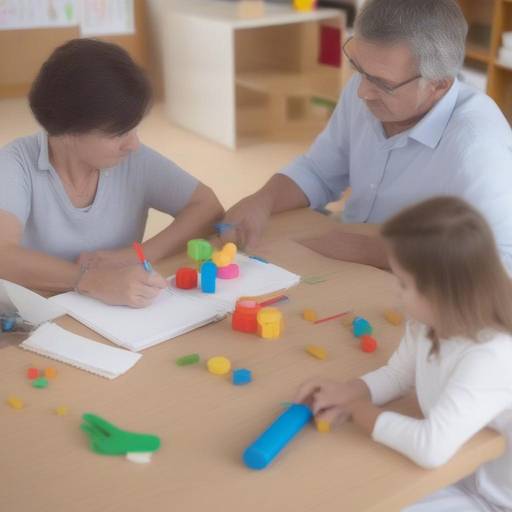
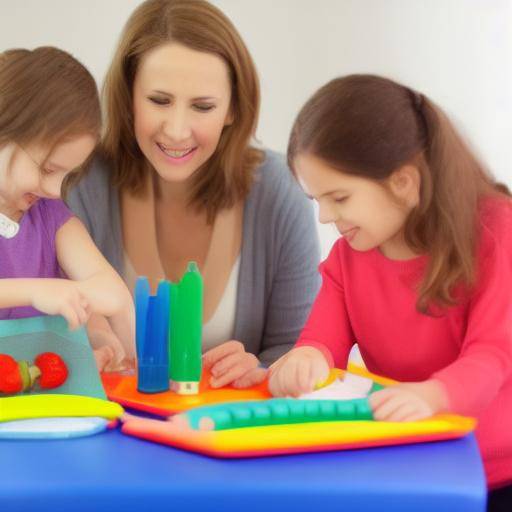
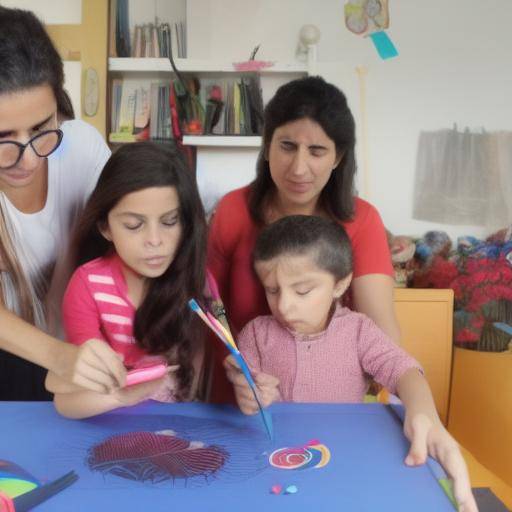
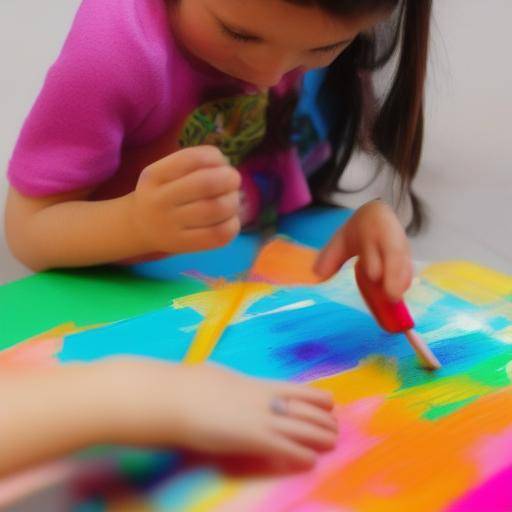
Creativity in children is essential for their integral development. Fostering and promoting activities that stimulate your imagination and originality is essential for your emotional, cognitive and social growth. In this article, we will explore different activities that can help enhance creativity in children, as well as their importance in education and the promotion of creative skills.
Introduction
Childhood is a crucial stage in which children develop their creative capacity, which is fundamental to their resilience and adaptability in the future. Through playful and educational activities, children can strengthen skills such as innovative thinking, problem solving and self-expression. In this article, we will discover various ways of promoting creativity in children, as well as the importance of integrating these activities into their education and development.
History and Background
Understanding the importance of creativity in child development has deep historical roots. From the theories of great thinkers such as Jean Piaget and Lev Vygotsky, to the implementation of educational programs that prioritize artistic expression and creative exploration, the evolution of the approach to creativity in childhood has been significant. Over the years, many studies have shown the positive impact that creative stimulation has on the well-being and cognitive development of children.
Analysis in Deep
We will explore the concrete benefits of incorporating creative activities into the educational process of children, as well as the challenges that may arise in trying to foster creativity in structured environments. In addition, we will analyse current trends in integrating creativity into education, as well as examples and case studies that illustrate its effectiveness in different cultural and social contexts.
Exhaustive examination
In addition to exploring the practical applications of activities to enhance creativity in children, we will review the best practices and pedagogical approaches that have proven to be effective. Through a detailed analysis of the advantages and disadvantages of different approaches, we will provide a complete overview of the ways in which creativity can be effectively integrated into the educational process of children.
Comparative analysis
We will compare different types of creative activities, from art and music to storytelling and free play, highlighting the similarities, differences and possible synergies between them. This analysis will allow educators and caregivers to understand the diversity of options available to them to foster creativity in children, as well as identify the most appropriate strategies for each individual.
Practical Tips and Accessible Tips
We will provide practical advice and concrete actions to implement activities that foster creativity in children. From suggestions on how to incorporate creativity into the daily routine to step-by-step guides to organize specific activities, this segment will provide valuable resources for those who wish to promote an enriching environment for the creative development of children.
Perceptions of Industry and Expert Reviews
We will address the perceptions of industry experts in child education and development, examining future implications and emerging trends in integrating creativity into education. We will interview pedagogues, psychologists and other specialists to obtain informed perspectives on the role of creativity in child development.
Case Studies and Real Life Applications
We will present detailed case studies that illustrate the effective implementation of creative activities in educational and community settings. We will analyze the results obtained, identifying lessons learned and successful strategies that could serve as inspiration for those who seek to implement creative programs in children.
Future Trends and Predictions
Finally, we will examine emerging trends and make predictions about the future of education and the promotion of creative skills in children. Based on current data and expert opinion, we will explore possible challenges and opportunities that could arise in the field of child creativity.
Conclusions and FAQs
Conclusions
In short, creativity in childhood plays a key role in the integral development of children, and its promotion through educational and playful activities is of vital importance. By providing an environment enriched with creative opportunities, adults can significantly contribute to the emotional, cognitive and social development of children, preparing them to face the challenges of the future with ingenuity and originality.
Frequently asked questions
1. Why is it important to foster creativity in children?
Fostering creativity in children allows them to develop problem solving skills, critical thinking and self-expression, which are fundamental to their growth and adaptability.
2. What are some practical activities to foster creativity in children?
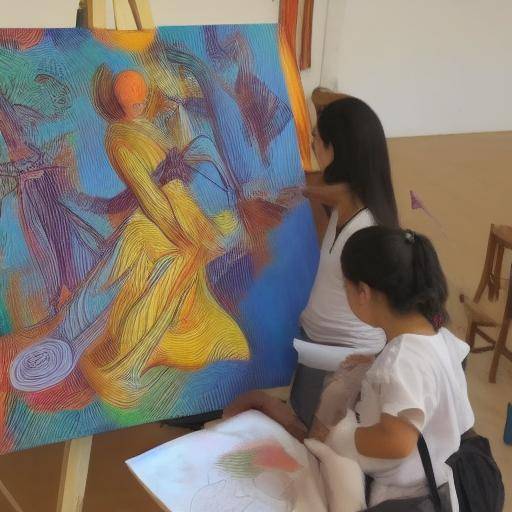
Activities such as painting, music, storytelling, free play and sensory exploration are excellent ways to stimulate creativity in children.
3. What are the long-term benefits of fostering creativity in childhood?
Fostering creativity in childhood can lead to more innovative, flexible and capable adults facing the challenges of the modern world.
4. How can parents and educators foster creativity on a daily basis?
Parents and educators can foster creativity in children by providing access to artistic materials, promoting experimentation and imagination, and celebrating the originality of each child.
5. Are there challenges in fostering creativity in children in structured educational settings?
Yes, structured educational environments can limit the opportunity for creative expression. However, with the integration of creative activities into the curriculum, it is possible to mitigate these challenges.
6. What is the role of educators in fostering creativity in children?
Educators play a crucial role in providing an enriched environment that fosters creativity, as well as providing guidance and support to children in their creative exploration.
In conclusion, the promotion of activities that foster creativity in children is a key element in their comprehensive development. By addressing this aspect from an educational and playful perspective, adults can contribute significantly to the growth and emotional, cognitive and social well-being of children.
By implementing effective strategies and understanding their importance, adults can cultivate an enabling environment for children to maximize their creative potential.