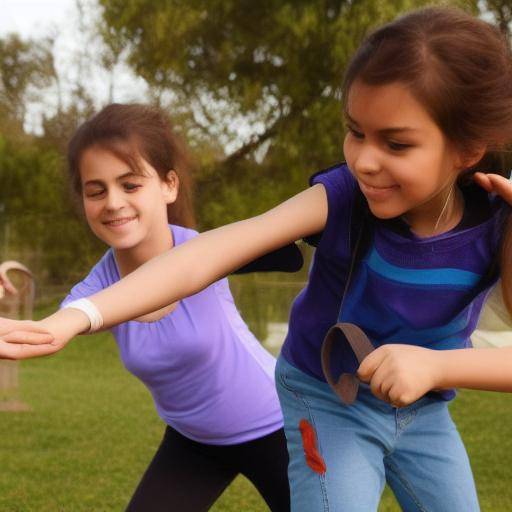
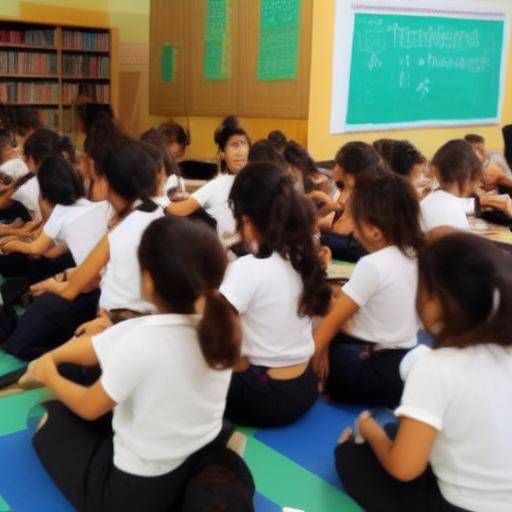
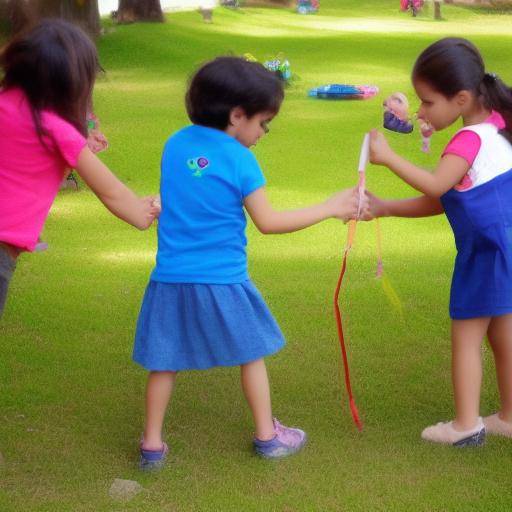
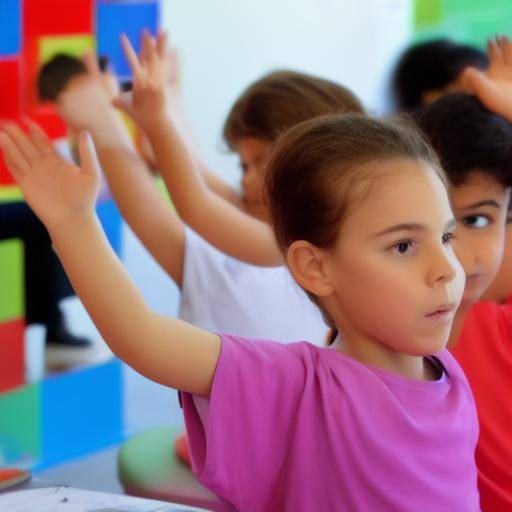
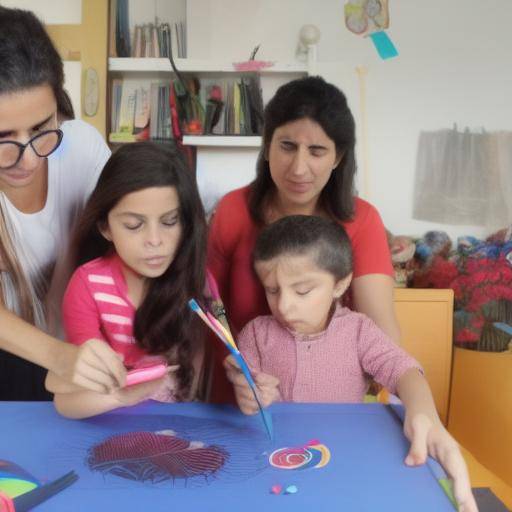
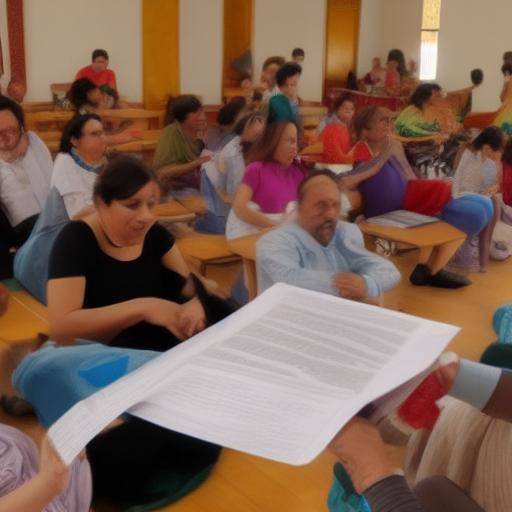
Teamwork is a fundamental skill that children must develop from an early age. This ability to collaborate, communicate and coordinate with others is not only crucial to their social development, but also teaches them to respect and value the opinions and skills of others. We will then explore a variety of activities that encourage teamwork in children, providing them with the tools necessary for their future.
Introduction
Teamwork is a fundamental pillar in the education of children. Through fun and educational activities, young people can learn to work together, develop social skills and strengthen their self-esteem. In this article, we will discover a wide range of activities designed to promote teamwork in children, focused on promoting cooperation, communication and empathy. From team games to creative projects, these activities are not only entertained, but also teach valuable lessons on collaboration that children will carry with them throughout their lives.
History and Background
The promotion of teamwork in children has deep roots in the history of education. From old societies to modern teaching systems, the importance of collaboration and cooperation has been recognized as an essential component for the integral development of individuals. Through group activities, children learn to share ideas, resolve conflicts and achieve common goals, skills that are fundamental in adult life.
Deep analysis
Activities to promote teamwork in children not only promote collaboration, but also enable them to develop leadership, effective communication and problem solving skills. These skills are essential in the field of education and in future careers. In addition, teamwork fosters an inclusive environment where all children feel valued and respected.
Comprehensive review
We will thoroughly explore a variety of practical applications of activities to promote teamwork in children, providing concrete examples of their implementation in educational and recreational environments. In addition, we will discuss best practices supported by experts in child education and development, providing readers with a full understanding of the benefits and challenges associated with these activities.
Comparative analysis
We will compare various activities to encourage teamwork in children, highlighting the similarities and differences between each approach. By exploring different methods and strategies, parents and educators may identify options that best fit the needs and preferences of children to their care.
Practical Tips and Useful Tips
We will offer practical advice on how to implement and adapt these activities to encourage teamwork in children, providing guidance on how to maximize their effectiveness and ensure an enriching experience for all participants.
Industrial Perceptions and Expert Reviews
We will compile perceptions of experts in the field of education, child psychology and social development, providing a professional vision on the importance of these activities and how they can positively influence the growth and development of children.
Case Studies and Real Life Applications
We will present detailed case studies, illustrating how activities to promote teamwork in children have had a positive impact on educational and recreational environments. These tangible examples will give readers a clear insight into the practical benefits of these activities.
Future Trends and Predictions
We will explore emerging trends and future predictions related to the promotion of teamwork in children, offering an intriguing view on how these activities can evolve and adapt as the needs and expectations of society change.
Conclusion
In short, activities to encourage teamwork in children are not only fun, but also essential for their comprehensive development. By promoting cooperation, communication and mutual respect, these activities provide the basis for children to become trusted, collaborative and compassionate adults. By using effective and encouraging educational strategies, we can cultivate an environment in which teamwork is valued and appreciated, thus generating a positive impact on future generations.
FAQs
1. Why is it important to encourage teamwork in children?
Fostering teamwork in children is crucial because it teaches them collaboration, communication and empathy skills that are fundamental to their personal and professional development. It also promotes an inclusive and respectful environment.
2. What are the long-term benefits of activities to promote teamwork in children?
Efforts to foster child teamwork provide long-term advantages, as they promote leadership skills, conflict resolution skills and self-confidence in working with others.
3. How can I implement teamwork activities in an educational environment?
It can implement teamwork activities in educational settings by providing structured games, collaborative projects and opportunities for children to work together on challenges and tasks.
4. What types of activities are most effective in fostering teamwork in children?
Activities that require collaboration, communication and problem-solving are particularly effective in fostering teamwork in children. This includes team games, creative projects and outdoor activities.
5. How can parents foster teamwork at home?
Parents can encourage teamwork at home by promoting participation in team games, assign collaborative tasks and encourage open and respectful communication between brothers and friends.
6. What is the impact of teamwork on the social development of children?
Teamwork contributes significantly to the social development of children by teaching them to respect the ideas and skills of others, effectively collaborate and learn to work in harmony with different personalities.
With these activities, children can learn not only to collaborate, but also to appreciate the diversity of skills and perspectives. Establish a solid teamwork base in childhood pave the way for children to become safe, collaborative and respectful individuals in their adult life.