Introduction
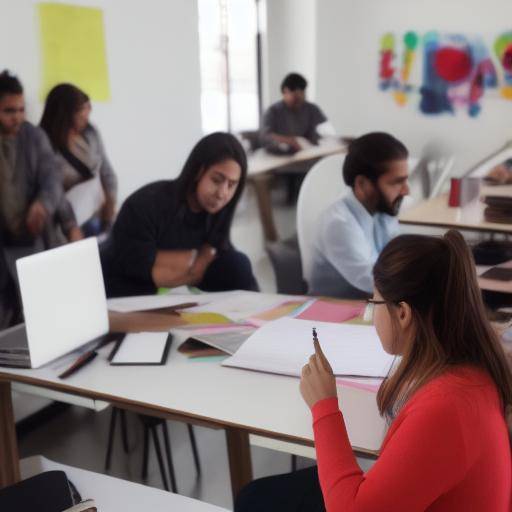
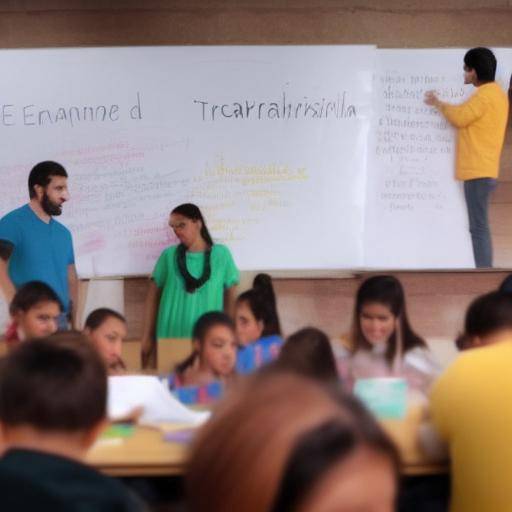
Teamwork is a fundamental skill that students must develop from an early age. Fostering teamwork at school not only promotes collaboration and communication among students, but also prepares young people to face challenges in a future working environment. In this article, we will explore various activities to encourage teamwork at school, providing educators and parents with effective strategies to promote collaborative learning. From interactive games to group projects, we will discover creative ways of cultivating teamwork skills in the school environment.
History and Background
The emphasis on teamwork in formal education has its roots in the quest to prepare students for collaborative roles in society. Over the years, pedagogical approaches have been developed based on this premise. From group projects to classroom discussions, educational methodologies have evolved to include teamwork as a central pillar in academic training. Taking as a reference pioneer studies in social psychology and pedagogy, it has been shown that collaborative learning fosters critical thinking, empathy and problem solving.
Analysis in Deep
In analyzing teamwork in the school context, it is important to highlight both its benefits and its challenges. Studies have shown that students involved in teamwork develop life skills, including the ability to listen, negotiate and lead. However, challenges may arise when differences of views and working styles are faced. The diversity of perspectives, although enriching, may pose obstacles to group dynamics.
Comprehensive review
The implementation of activities to encourage teamwork at school demands a balanced approach between theory and practice. Various pedagogical approaches have been proposed to achieve effective synergy between teaching and teamwork. From the creation of collaborative learning environments to interdisciplinary projects, there is a variety of methods that seek to strengthen the importance of teamwork in education.
Comparative analysis
It is essential to understand the similarities and differences between the concept of education and teamwork, teamwork in itself and school activities. While the first relates to the integration of social skills in the educational environment, the second focuses on cooperation between individuals to achieve a common goal, and school activities represent the stage where these dynamics take place.
Practical Tips and Accessible Advice
By implementing teamwork activities at school, it is crucial to consider various factors, including the diversity of student skills and personalities. Some practical tips include setting clear roles within teams, providing constructive feedback and fostering an inclusive environment where all voices are valued.
Industry Perspectives and Expert Reviews
Educational experts highlight the need to adapt teamwork dynamics to the changing demands of the world today, where global collaboration and the resolution of complex problems are fundamental. Expert opinions provide a holistic view on the importance of preparing students to face challenges of the 21st century through teamwork at school.
Case Studies and Practical Applications
Through real case analysis, it is evidenced that teamwork activities at school have positively impacted on the formation of soft skills and competencies fundamental to the personal and professional development of students. From interdisciplinary projects to solving complex problems, practical applications offer enriching perspectives on the effectiveness of collaborative learning.
Future Trends and Predictions
The future of activities to promote teamwork at school is aimed at further integration of technology to facilitate remote collaboration, as well as a greater assessment of diversity and inclusion in working teams. Pedagogical approaches are expected to continue to evolve in order to adapt to the needs of a globalized and constantly changing society.
Conclusions
In short, activities to promote teamwork at school represent a fundamental pillar in the comprehensive training of students. From its historical background to its practical applications and future trends, teamwork at school offers many benefits that shape skills essential to life success and career.
Frequently asked questions
Why is it important to encourage teamwork at school?
Teamwork at school is crucial because of its ability to develop social skills, promote critical thinking and strengthen collaboration, essential competencies in the current world of work.
What school activities effectively promote teamwork?
Activities such as group projects, class debates, problem solving and collaborative games are effective in fostering teamwork at school.
How do you deal with conflicts within the work teams at school?
Conflict management within the work teams at school requires the promotion of open communication, the promotion of empathy and the facilitation of spaces for the resolution of disagreements.
What is the role of the educator in promoting teamwork?
Educators play a fundamental role in designing activities that encourage teamwork, provide effective feedback and model collaborative behaviors.
How can teamwork at school prepare students for the world of work?
Teamwork at school prepares students for the world of work by developing communication skills, problem solving and collaboration, which are highly valued by employers.
What are the current trends in education and teamwork?
Current trends aim at greater integration of technology to facilitate distance collaboration and the inclusion of diversity as a value in the work teams at school.
Conclusion:
In conclusion, the promotion of teamwork at school is essential for the comprehensive development of students. Through carefully designed activities, educators and parents have the opportunity to cultivate collaborative skills that will be invaluable in the lives of young people.