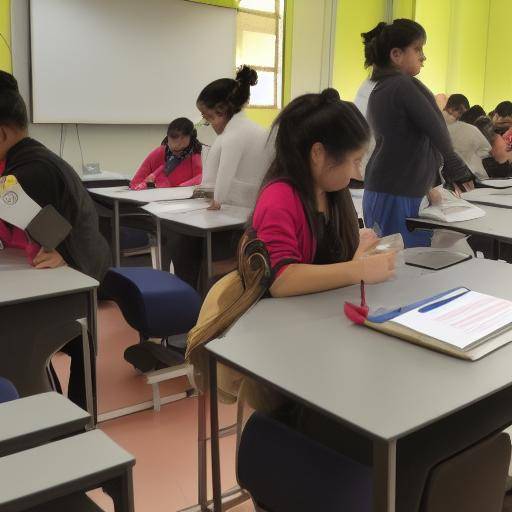
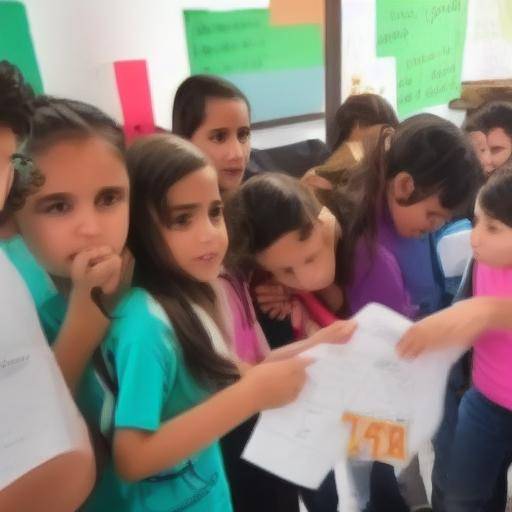
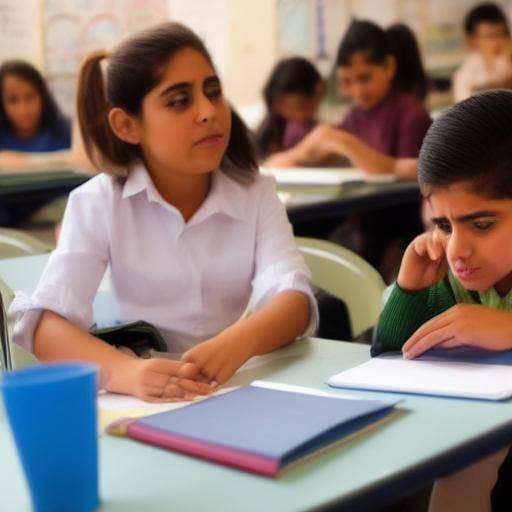
Collaboration and teamwork are fundamental skills that students must learn to thrive in school and in their future careers. In this article, we will explore effective strategies to teach collaboration and teamwork at school, their importance, benefits, challenges, current trends, practical applications and tips to effectively promote these skills. In addition, we will address the comparison of collaboration, education and teamwork, together with their future implications.
History and Background
Collaboration and teamwork have been essential throughout history, playing a crucial role in the progress of humanity. Since ancient times, civilizations such as Egyptian, Greek and Roman promoted collaboration in building monuments, scientific advances and solving social problems. However, in the educational context, formalizing the teaching of these skills has evolved significantly in recent decades.
Today, education and teamwork are considered essential to preparing students for an increasingly collaborative working environment. The introduction of collaborative educational methods has led to the development of social and emotional skills, fostering a teamwork mentality from early ages.
To explore the history and evolution of the teaching of collaboration and teamwork allows us to understand the importance of these skills in the current educational context.
Analysis in Deep
Benefits of Collaboration and Team Work at School
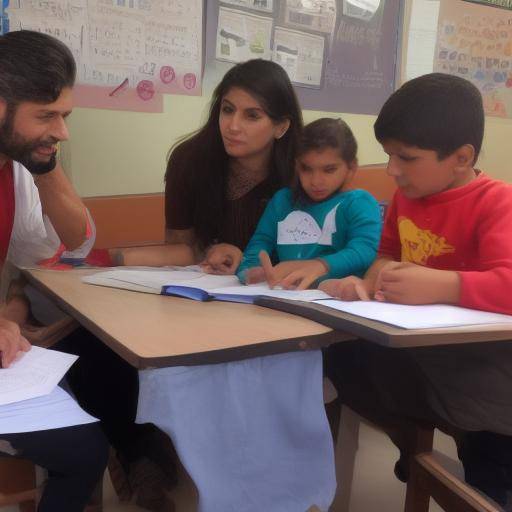
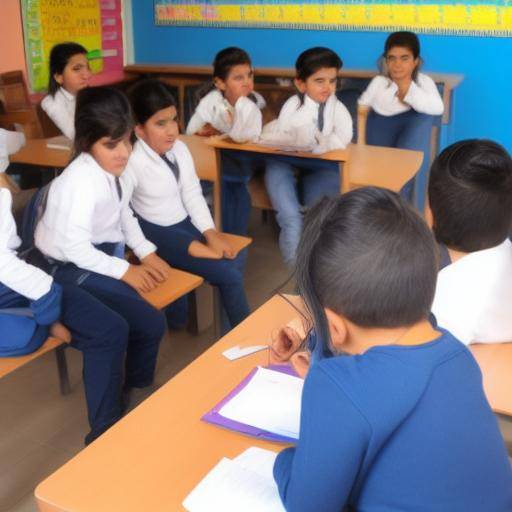
The incorporation of collaboration and teamwork in the educational environment offers a wide range of benefits for students. These include the development of effective communication skills, the promotion of empathy and interpersonal understanding, the enhancement of creativity and problem solving, and the promotion of shared responsibility.
Challenges and Challenges
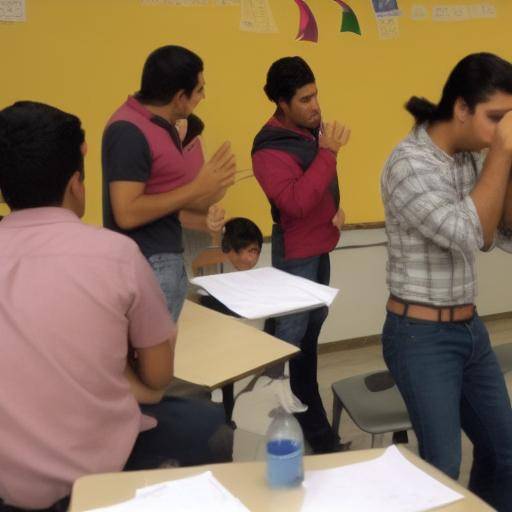
Despite the many benefits, the effective implementation of collaboration and teamwork at school presents significant challenges. These may include the management of inter-student conflicts, the equitable evaluation of the individual contribution in group work and the resistance to change by teachers and administrators.
Current Trends in Team Education and Work
The current educational landscape is undergoing an accelerated shift towards teaching models focused on collaboration and teamwork. Digital technologies are playing a crucial role in facilitating remote collaboration and sharing ideas through virtual platforms. In addition, the implementation of interdisciplinary programmes fosters an integrated approach to knowledge acquisition, promoting teamwork skills.
Comprehensive review
Practices and Best Practices
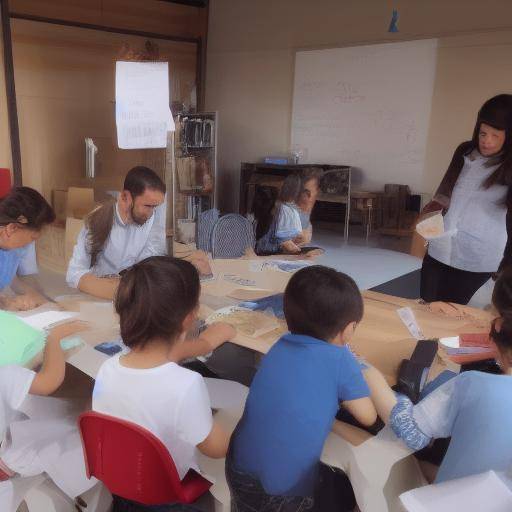
Effective implementation of collaboration and teamwork in the classroom requires the adoption of best proven practices. Promoting diversity of thought, assigning clear roles in group projects and constructive feedback are examples of strategies that promote a collaborative and productive environment.
Perspectives of Experts and Future Projections
Educational experts stress the importance of integrating collaboration and teamwork across the curriculum. The ability to actively collaborate with others is considered an essential attribute in the training of students prepared to meet the challenges of the current labour market. As technology continues to transform our society, the integration of digital tools is expected to foster collaboration and teamwork in educational settings.
Conclusions and FAQs
Conclusions
In short, the teaching of collaboration and teamwork at school is critical to preparing students for a future in the workplace that demands effective interaction and cooperation skills. By fostering collaboration and teamwork, educational institutions contribute to the integral development of students, preparing them to meet the challenges of the twenty-first century.
Frequently asked questions
**1. How can I encourage collaboration among students in the classroom?**Promoting collaboration among students can be achieved through group activities, the allocation of interdisciplinary projects and the establishment of effective communication standards.
**2. What are the most common challenges in implementing teamwork at school?**Common challenges include group dynamic management, equitable evaluation of individual performance and resolution of interpersonal conflicts.
**3. To what extent does school collaboration prepare students for the working environment?**School collaboration prepares students for the working environment by developing communication skills, problem solving and teamwork that are highly valued by employers.
**4. What is the role of technology in promoting teamwork at school?**Technology facilitates collaboration and teamwork by providing tools for communication, collaborative creation and group project organization.
**5. What are the key skills that students develop through collaboration and teamwork?**Key skills include the ability to listen actively, communicate effectively, resolve conflicts, lead and contribute constructively in a collaborative environment.
**6. What is the long-term impact of the teaching of collaboration and teamwork at school?**The teaching of collaboration and teamwork at school has a long-term impact in preparing students to be committed citizens, effective leaders and successful collaborators in their academic and professional lives.
In conclusion, the teaching of collaboration and teamwork at school plays a key role in preparing students to address the challenges of an increasingly collaborative working environment. In addressing the importance, benefits, challenges, current trends and practical applications of these skills, educators can contribute significantly to the comprehensive development of students and their preparation for the future.
In short, by fostering collaboration and teamwork, educational institutions contribute to the integral development of students, preparing them to meet the challenges of the twenty-first century.