Introduction
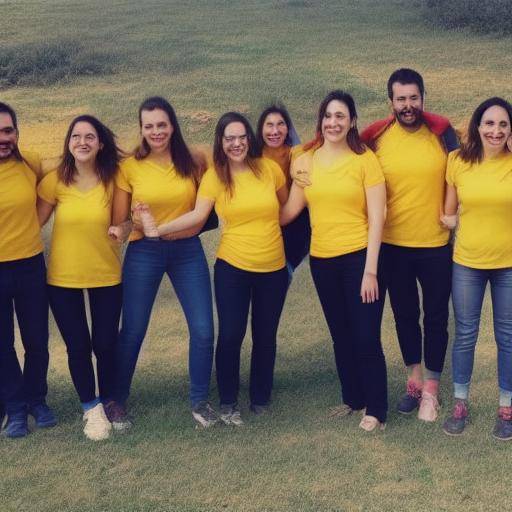
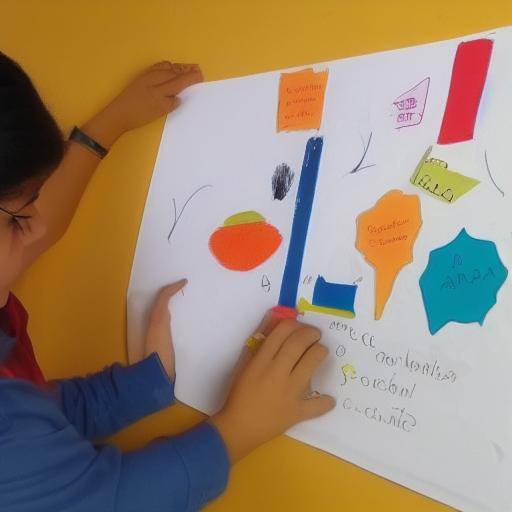
The role of teamwork in solving complex problems is a fundamental part of the effective functioning of organizations, institutions and communities. In this article, we will explore in depth the importance of teamwork and how it contributes to solving complex problems. Throughout this analysis, we will discover the historical evolution, benefits and challenges, as well as future trends and practical applications that demonstrate the relevance and vitality of these areas in the current environment.
History and Background
The concept of teamwork has been an essential component in the interactive dynamics of individuals and groups throughout history. From the most primitive social structures to modern organizations, teamwork has played a key role in coordinating, developing skills and solving problems. This evolution has been driven by the continuing need to address challenges, both simple and complex, effectively.
Evolution of Teamwork
From ancient civilizations to current multinational companies, teamwork has highlighted as a powerful and efficient tool to enhance the ability to solve problems collaboratively, fostering creativity and innovation. In modern history, the management theories of Frederick Taylor and Elton Mayo's studies on human relations at work underlined the importance of collaboration and teamwork.
Resolution of Complex Problems
The resolution of complex problems has experienced a significant change in the approach and tools used to address these challenges. From the advent of technology to the growing global interconnection, the demands for solving complex problems have evolved into a multidisciplinary and collaborative approach that emphasizes the importance of diversity of thought and synergy between individuals and teams.
Analysis in Deep
In analyzing the role of teamwork in solving complex problems, it is imperative to understand the intrinsic benefits, the inherent challenges, and the current trends that outline the contemporary landscape.
Benefits of Teamwork
Teamwork, by combining the knowledge, skills and experiences of individuals, provides an enabling environment for the generation of innovative ideas, collaborative decision-making and resource maximization. In addition, the active role of each member in a team allows a holistic approach to complex problems, fostering a comprehensive understanding and more effective solutions.
Generation of Innovative Ideas
Diversity in the team brings multiple perspectives that enrich the creative process, facilitating the generation of innovative ideas. This multidisciplinary approach allows to address problems from different angles, increasing the chances of finding effective solutions.
Cooperative Decision-making
Team collaboration encourages the active participation of all members in decision-making, leading to more comprehensive and consensual solutions. The diversity of views and experiences allows for a more comprehensive assessment of options, reducing the risk of errors and increasing the effectiveness of decisions.
Challenges of Teamwork
Despite its many benefits, teamwork is not without challenges. Possible interpersonal conflicts, difficulty in task coordination and efficient management of resources are common obstacles that can hinder the process of solving complex problems.
Interpersonal conflicts
Differences of opinion and working styles can lead to conflicts within the team. It is crucial to manage these conflicts constructively to maintain team cohesion and ensure a productive working environment.
Task coordination
The assignment and coordination of tasks among team members can present challenges, especially in large and complex projects. Meticulous planning and clear communication are essential to overcome these obstacles.
Current trends
In the current context, trends in the teamwork approach to solving complex problems are marked by global interdependence, diversity of talents and integration of advanced technologies. These trends reflect the need for adaptation and flexibility in interdisciplinary collaboration, promoting greater effectiveness in the identification and resolution of complex problems on a global scale.
Global interdependence
Globalization has increased the need for teams that can collaborate across borders and cultures. This not only enriches the process of solving problems with various perspectives, but also poses additional challenges in terms of communication and coordination.
Integration of Advanced Technologies
The use of advanced technologies, such as artificial intelligence and digital collaborative platforms, facilitates communication and teamwork, especially in geographically dispersed equipment. These technologies allow for more efficient and effective collaboration.
Comprehensive review
Practices of Teamwork
In professional environments, teamwork is manifested as a fundamental pillar in achieving strategic and operational objectives. The integration of multifunctional teams addresses complex challenges with innovative and sustainable solutions.
Case studies
Case studies in various industries demonstrate how teamwork has effectively solved complex problems. For example, in the health industry, multidisciplinary teams have significantly improved patient outcomes through collaboration in diagnosis and treatment.
Effective Partnership Strategies
To maximize the effectiveness of teamwork in solving complex problems, effective methods of collaboration are essential. These methods may include the clear establishment of roles and responsibilities, open and constant communication, the assessment of diversity of opinions and the alignment of common objectives.
Development of Interpersonal Skills
Promoting the development of interpersonal skills within the working teams is a crucial component in overcoming the challenges associated with solving complex problems. Empathy, active listening, conflict management and the ability to work in synergy are essential competencies that strengthen team cohesion and performance.
Approach to Action
Addressing complex problems requires an action-oriented approach. By establishing a structured and strategic working framework, teams can proactively address challenges, evaluating options, implementing solutions and monitoring results continuously.
Conclusions and FAQs (FAQs)
Conclusions
In conclusion, the role of teamwork in solving complex problems is a fundamental component in the dynamics of organizations and society as a whole. Recognizing historical evolution, current benefits and challenges, and future trends, the vital importance of fostering and optimizing collaborative potential to address significant challenges efficiently and effectively is revealed.
Frequently asked questions
1. What is the role of leadership in promoting teamwork to solve complex problems?
Leadership is crucial to boost team cohesion, promote shared vision and facilitate effective decision-making in complex situations.
2. How can creativity be enhanced within a team to generate innovative solutions?
The promotion of diversity of thought, the creation of an inclusive environment and the implementation of ideas rain techniques are effective strategies to boost creativity within the team.
3. What are the most common challenges in facing complex problems in collaborative environments?
Among the most common challenges are the management of interpersonal conflicts, the alignment of individual objectives with those of the team and the efficient coordination of tasks and resources.
4. What role does technology play in strengthening teamwork for solving complex problems?
Technology provides tools that streamline communication, collaboration and data management, which facilitates the effectiveness of teamwork in solving complex problems.
5. What are the advantages of addressing complex problems with interdisciplinary approaches?
Interdisciplinary approaches take advantage of a diversity of perspectives, knowledge and skills, leading to more comprehensive and sustainable solutions for complex problems.
6. How can organizations foster a teamwork culture aimed at solving complex problems?
Organizations can foster a teamwork culture by encouraging collaboration, recognizing and rewarding significant contributions, and promoting an environment of trust and openness.
Conclusion
The role of teamwork in solving complex problems is essential for progress and innovation in any context. Through a solid collaborative approach, individuals and teams can address complex challenges with efficiency and creativity, promoting sustainable development and a positive impact on society as a whole.
The synergy created by teamwork is a fundamental pillar for progress and prosperity in the contemporary world. In understanding its importance, benefits, challenges and applications, a solid foundation is created to foster an effective collaborative approach and enhance results in the future.
This article has explored the fundamental elements that integrate these areas, providing a detailed view of their interconnection and relevance in today's society. Through the recognition and optimization of teamwork and the resolution of complex problems, organizations, institutions and communities can enhance their capacity to face challenges and achieve sustainable success.
We hope that this comprehensive analysis has provided a profound and valuable understanding of this crucial issue. We invite our readers to further explore these areas, implement the recommendations provided and actively collaborate to promote
innovative and effective solutions in their own environments.