Teaching teamwork skills is essential for professional and personal development. Games are not only a fun way to learn, but they can also be powerful tools to foster collaboration, communication and cooperation among individuals. In this article, we will explore the importance of teaching teamwork skills through games, as well as effective strategies to achieve it. We will also provide concrete examples of games that can be used for this purpose.
History and Background
Importance of Equipment Skills
Teamwork skills have been valued throughout history due to their ability to boost productivity, innovation and well-being in various working environments. From ancient civilizations to modern enterprises, collaboration and coordination among individuals have been essential to achieving success in different companies.
Evolution of Education Strategies
As the understanding of group dynamics has evolved, so have the strategies of teaching teamwork skills. Different game-based educational approaches have been designed to improve people's ability to work together.
Developments and Reflection Points
With the emergence of psychology and pedagogy, it has deepened in the understanding of group dynamics and the importance of teaching social skills and teamwork. The inclusion of games in educational processes has been a significant tool for this purpose.
Anecdotes and Case Studies
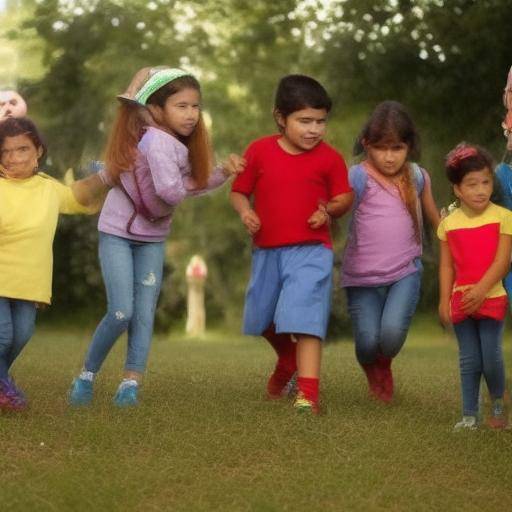
Case study: "The Game of the Human Tower" A concrete example of game that promotes teamwork is the known "game of the human tower". Participants must build a tower using only their own body, which requires effective cooperation, communication and organization to achieve the goal. This game can serve as a valuable tool to teach the importance of teamwork and coordination of efforts.
Analysis in Deep
Benefits of Teaching Through Games
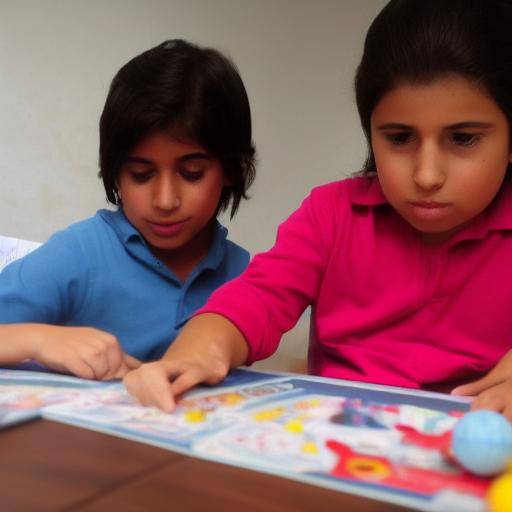
Games offer a safe and fun environment for the practice of teamwork skills. By engaging in play activities, participants can first-hand experience the benefits of effective collaboration and communication.
Current Challenges and Trends
Despite the benefits, teaching teamwork skills through games can also present challenges, such as time management and game alignment with learning goals. However, current trends show a growing interest in the incorporation of games in educational and labour environments.
Perspectives and Diverse Reviews
Expert opinion: Dr. Elena Gómez, Organizational Psychologist "Games are an effective way of teaching teamwork skills, as they allow participants to learn in an experiential way, which increases the retention and applicability of concepts."
Comprehensive review
Applications and Best Practices
The incorporation of games into training and development programs can be especially effective in teaching teamwork skills. Simulation games, collaborative challenges and role-plays are concrete examples of how experiential learning can improve teamwork skills.
Industry Perspectives and Expert Reviews
Interview with Guillermo Ruiz, Consultant for Organizational Development "The team games offer a dynamic and participatory way of teaching teamwork skills, involving participants in a unique way that fosters collaboration and mutual learning."
Conclusion
In conclusion, teaching teamwork skills through games offers an effective and exciting way to develop inter-individual collaboration, communication and cooperation. Games provide a safe and practical environment to experience and strengthen these skills, which in turn can have a positive impact on the working environments and the quality of life of people. By using games-based educational strategies, it is possible to foster more meaningful and durable learning in the development of teamwork skills.
Frequently asked questions
Why is it important to teach teamwork skills?
Teaching teamwork skills is important because it promotes effective collaboration, clear communication and coordination of efforts. These skills are fundamental in working environments and contribute to achieving shared goals.
What is the role of games in teaching teamwork skills?
The games provide a practical and dynamic environment for the practice and development of teamwork skills. By participating in collaborative games, individuals can firsthand experience the importance of communication, coordination and cooperation.
What types of games can be used to teach teamwork skills?
There are various types of games that can be used to teach teamwork skills, such as simulation games, collaborative challenges, role-plays and group troubleshooting activities.
How can you measure the results of teaching teamwork skills through games?
The results of teaching teamwork skills through games can be measured by observing the performance of the participants in the activities, feedback, and evaluating the achievements and challenges faced during the learning process.
What are the long-term benefits of teaching teamwork skills through games?
Long-term benefits include strengthening interpersonal relationships, improving job performance, and creating a more collaborative and motivating working environment. Game-based learning can have a lasting impact on how individuals interact and work together.
What are the considerations to take into account when implementing games to teach teamwork skills?
In implementing games to teach teamwork skills, it is important to consider the alignment of games with learning objectives, the diversity of participants, and the variety of learning styles, among other aspects.
In short, teaching teamwork skills through games offers a unique opportunity to develop fundamental skills in a dynamic and effective way. By incorporating educational strategies based on games, it is possible to foster active and meaningful learning that contributes to the personal and professional growth of individuals.