Introduction
Collaborative work in education is a pedagogical strategy that promotes learning through interaction and cooperation among students, fostering the development of social, cognitive and emotional skills. In this article, we will thoroughly explore the importance of collaborative work in the educational context, analyzing its history, benefits, challenges, practical applications, future trends and much more.
History and Background
The collaborative work in education has deep roots in the history of pedagogy. From ancient teaching methods to contemporary educational innovations, collaboration among students has been a key practice.
Origins and Evolution
The collaboration between students dates back to the teachings of Socrates, who used dialogue and collective discussion to promote critical thinking. In the Middle Ages, monastic schools also encouraged cooperative learning through group study. Over the centuries, pedagogical currents have recognized the importance of collaborative work, influencing the development of educational systems around the world.
Relevant Daughters and Developments
In the twentieth century, the theories of progressive education, such as constructivism, emphasized the importance of active and participatory learning, promoting teamwork as an essential element for the integral development of students. The advent of information and communication technologies has provided virtual classrooms and collaborative tools that facilitate interaction between students, breaking geographical and cultural barriers.
Analysis in Deep
Benefits of Collaborative Work
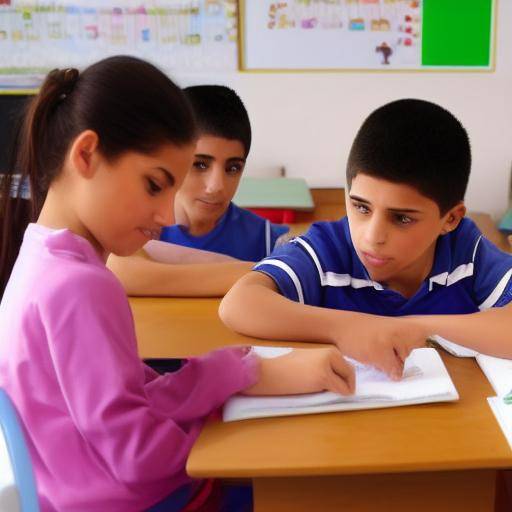
The collaborative work in education offers a wide range of benefits for students. It promotes the development of social skills, such as effective communication, empathy and cooperation. In addition, it stimulates critical thinking, problem solving and creativity. Students involved in collaborative projects often show greater commitment to learning and a deeper understanding of the topics covered.
Current Challenges and Trends
In spite of its benefits, collaborative work can also present challenges, such as equitable assignment, conflict management and fair evaluation of individual performance. In the current context, remote learning has raised new challenges and opportunities for teamwork, requiring adaptations in collaborative dynamics.
Full review
Applications and Best Practices
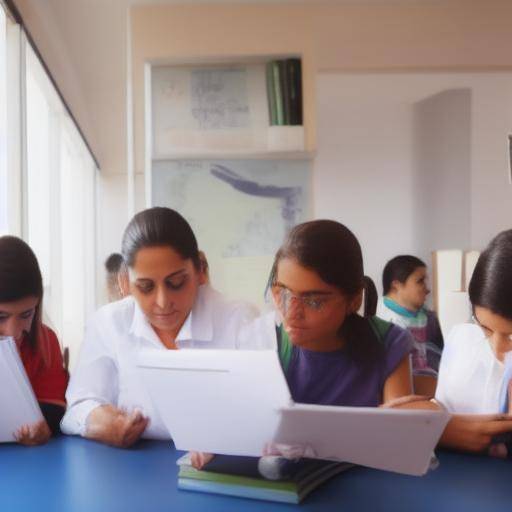
Collaborative work is applied in various curricular areas, from science projects to debates in humanities. Best practices include clear definition of roles, common goals, constructive feedback and collective achievements. In addition, strategies such as problem-based learning and project approach incorporate collaborative work as an integral part of the learning process.
Perspectives of Experts and Industry
Specialists in pedagogy and educational psychology agree that collaborative work strengthens self-esteem, self-efficacy and intrinsic motivation of students, preparing them for a working environment that values collaboration and the ability to work in multidisciplinary teams. From the industry point of view, the skills developed through collaborative work, such as leadership and conflict management, are highly valued in the labour market.
Conclusions and FAQs
Conclusions
In short, collaborative work in education is fundamental to the integral development of students, promoting cognitive, social and emotional skills that are essential to their personal and professional success. The collaboration among students reflects the interconnected nature of the contemporary world, preparing new generations to face the challenges and take advantage of the opportunities of an increasingly collaborative environment.
Frequently asked questions
Why is collaborative work in education important?
Collaborative work in education is important because it promotes the development of social, cognitive and emotional skills, preparing students for a working environment that values collaboration and the ability to work in multidisciplinary teams.
How can collaborative work be implemented in the classroom?
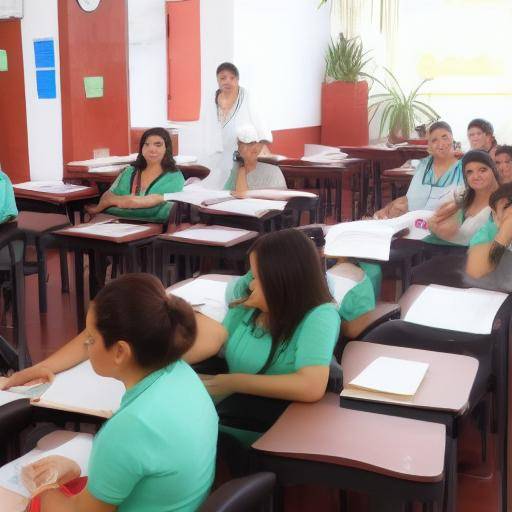
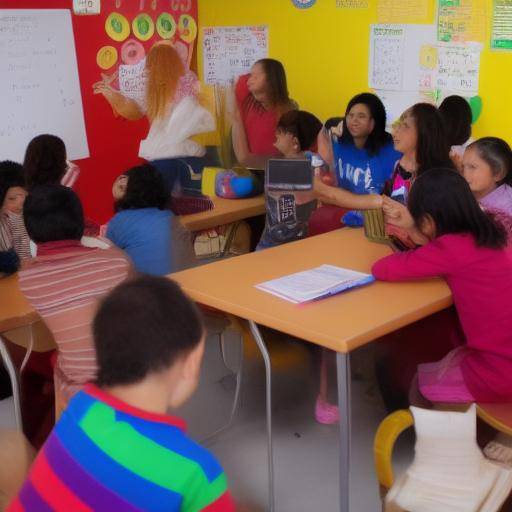
Collaborative work in the classroom can be implemented through practical activities, group projects, debates, problem solving and tasks that require the joint participation of students.
What are the benefits of collaborative work for students?
The benefits of collaborative work for students include the development of social skills, such as effective communication, empathy and cooperation, as well as the encouragement of critical thinking, problem solving and creativity.
How is individual performance evaluated in a collaborative project?
The evaluation of individual performance in a collaborative project can be carried out through factories that consider both the individual contribution and the collective achievement of the proposed objectives.
What are some strategies to foster collaboration among students?
Some strategies to foster student collaboration include clear definition of roles, common goals, constructive feedback and collective achievements.
What impact does collaborative work have on the professional development of students?
The collaborative work in education prepares students to face the challenges and take advantage of the opportunities of a working environment that values collaboration and the ability to work in multidisciplinary teams.
In conclusion, collaborative work in education is essential for the integral development of students, preparing them to face the challenges and taking advantage of the opportunities of an increasingly interconnected world. By fostering student collaboration, education not only drives individual growth, but also contributes to building a more cohesive and collaborative society.