Introduction
The benefits of teamwork are widely recognized in education, and teaching this skill from an early age is essential. In this article, we will explore various resources and strategies to teach teamwork to primary students. From interactive games to collaborative activities, we will discover effective and creative tools to foster the spirit of collaboration and communication among the youngest.
Resources for Teaching Teamwork
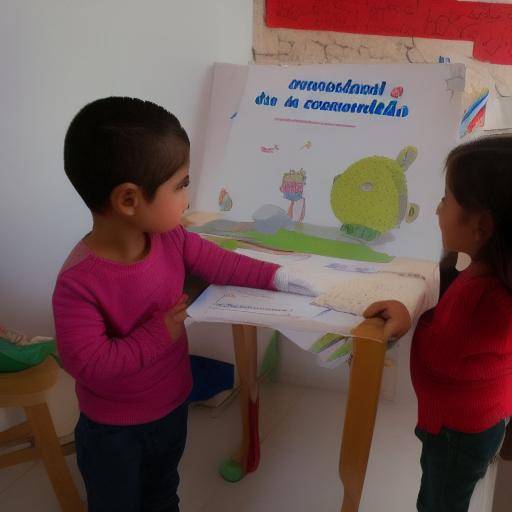
The learning of teamwork in primary education is essential for the development of social skills, problem solving and long-term academic success. The following resources are specially designed to involve primary students in activities that encourage teamwork.
History and Background
The concept of teamwork has evolved significantly throughout history. From the first civilizations to modern corporations, understanding their roots is fundamental to empowering students in this vital skill.
The concept of teamwork goes back to primitive societies, where collaboration was essential for survival. In the field of education, its importance was recognized at the end of the 20th century, and since then innovative techniques and tools have transformed the way it is taught.
Analysis in Deep
Teamwork in primary education not only promotes cooperation, but also develops communication, leadership and conflict resolution skills. These skills are fundamental in an educational environment and in the preparation for a future work life.
Comprehensive review
It is crucial to provide students with meaningful experiences that encourage teamwork. Activities that require collaboration, shared responsibility and interactive communication are essential to cultivate these skills in an educational environment.
Comparative analysis
By comparing and contrasting resources, strategies and approaches to teaching teamwork, we can identify best practices and adapt them to the specific needs of our students.
Practical Tips and Accessible Tips
Some effective strategies for teaching teamwork to primary school students include: promoting equitable participation, establishing collaborative goals, promoting active listening and constructive feedback.
Look at the Industry and Expert Reviews
The perspectives of education professionals and child development experts are critical to understanding the importance of teamwork in primary education and how the future of students can be positively impacted.
Case Studies and Practical Applications
Case studies are valuable tools to illustrate the effectiveness of teamwork teaching strategies. Analyzing real cases will help you understand how these skills prepare students for success in life.
Future Trends and Predictions
Looking at emerging trends in education, we can identify how teamwork learning will continue to evolve and its importance in future work and social environments.
Conclusion
In short, teaching teamwork to primary school students is an invaluable investment in their personal and academic growth. The resources analysed offer a comprehensive approach to developing teamwork skills, helping children become effective partners and responsible members of tomorrow's society.
FAQs
Why is it important to teach teamwork in primary education?
Teaching teamwork from an early age promotes social, communicative, problem solving and collaboration skills that are fundamental to personal and professional life.
What are some effective resources to teach teamwork to primary school children?
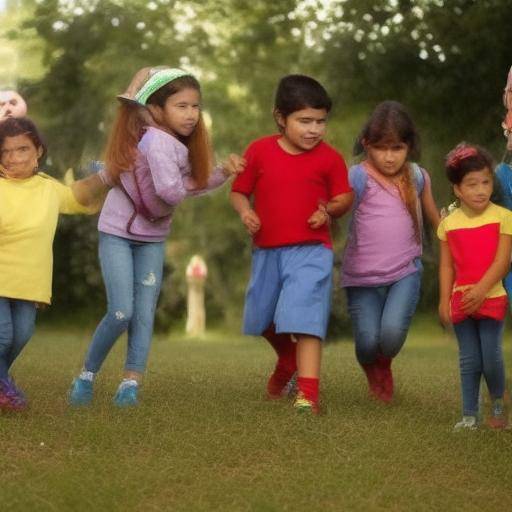
Some resources include cooperative games, outdoor activities, group projects and troubleshooting exercises.
How can you evaluate the progress of students in learning teamwork?
The evaluation may include teacher observations, self-evaluations, peer assessments and group projects, as well as feedback from peers.
What long-term benefits do teamwork learning have in primary education?
Learning teamwork in primary education promotes skills that are fundamental to success in future working environments, interpersonal relationships and civic participation.
How can parents support the development of teamwork at home?
Parents can encourage teamwork through family games, outdoor activities, collaborative household assignments and promote effective communication between siblings.
What is the role of the teacher in promoting teamwork in primary education?
Teachers play a key role in creating a collaborative environment by assigning significant group tasks and providing guidance on how to work effectively as a team.
In conclusion, learning of teamwork at an early age is essential for the integral development of students. The use of adequate resources, effective strategies and the support of teachers and parents are essential to inculcate these vital skills in children. We hope that this article has provided valuable ideas and practical advice to teach teamwork to primary students.