Teamwork is a fundamental skill that not only applies in the workplace, but also has a significant impact on students' school performance. In this article, we will explore in depth the impact of teamwork on school performance, its history, benefits, challenges, practical applications, future trends, and provide practical advice and expertise.
Introduction
Teamwork is a vital skill that allows students to collaborate, communicate and solve problems together. Its relevance goes beyond the educational environment, as it prepares individuals for success in the working world. In this article, we will explore how teamwork influences school performance, and how students can benefit from developing these skills from an early age.
History and Background
The concept of teamwork has deep roots in the history of humanity. From ancient civilizations to the modern era, teamwork has been fundamental for progress and success in various areas, including education. Over the centuries, different cultures have valued collaboration and synergy among individuals to achieve common goals.
The advent of modern education has placed an increasing emphasis on the promotion of teamwork among students. As the world becomes more interconnected and globalized, the ability to work effectively on multicultural teams has become an essential competition for academic and professional success.
Analysis in Deep
Benefits of Teamwork in School Performance
Teamwork brings many benefits to students, which go beyond the simple academic achievement. It promotes effective communication skills, promotes creativity and critical thinking, and inculcates leadership and collaboration values. Students actively participating in teams tend to have a higher level of motivation, resulting in improved academic performance and increased personal satisfaction.
Challenges of Teamwork in School Environment
Despite its many benefits, teamwork also presents challenges, especially in the school environment. The management of diverse personalities, conflict resolution and the equitable distribution of tasks may present difficulties for some students. It is crucial that educators provide appropriate guidance and resources to overcome these challenges and ensure a working environment in productive and harmonious teams.
Comprehensive review
Applications Practices of Teamwork in School Performance
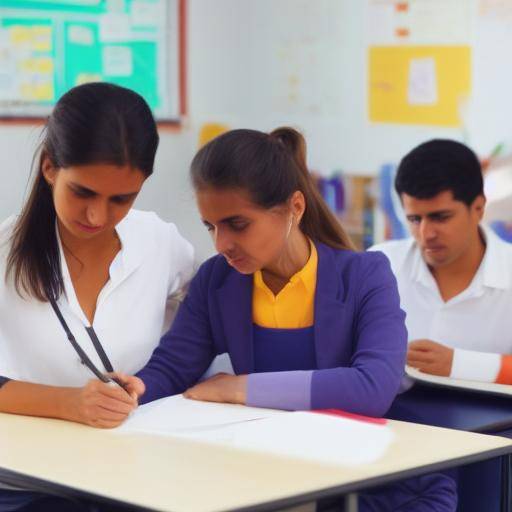
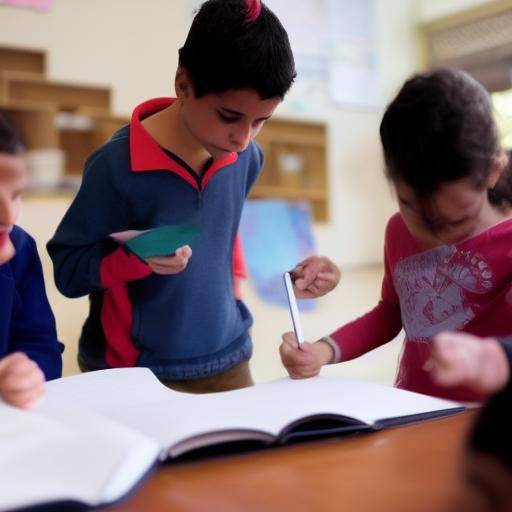
Teamwork is applied in various forms in the field of education, from group projects and debates to sports activities and student clubs. These experiences provide students with opportunities to develop collaborative skills, problem solving and decision-making in a controlled and support environment.
Future Councils and Recommendations of Experts
Educators and experts in the field of education recommend several strategies to encourage effective teamwork. These include assigning clearly defined roles to each team member, setting clear and measurable goals, and fostering a culture of mutual respect and support among students.
Conclusions and FAQs
In short, teamwork has a significant impact on school performance, preparing students to face real-world challenges with solid trust and skills. If you want to know more about how to encourage teamwork in the educational environment, continue reading our FAQs below.
Frequently asked questions
1. How can I encourage teamwork among my students?
Fostering teamwork means creating an environment of trust and collaboration. You can assign relevant group projects, provide guidance on conflict resolution and celebrate group achievements. In addition, commending and rewarding team effort can motivate students to commit themselves actively.
2. What are the long-term benefits of teamwork in school performance?
Long-term benefits include the development of social skills, the ability to handle stressful situations, and greater creativity and problem solving. These skills are fundamental to success in higher education and the world of work.
3. How can I evaluate individual performance in team projects?
It is crucial to implement an evaluation system that recognizes both the individual effort and the contribution to the team. You can use clear rubrics that consider both individual work and collective achievements.
4. What are the effective strategies to address conflicts in work teams?
Promoting open communication and providing tools for conflict resolution is critical. Mediation, the establishment of compromise rules and the promotion of empathy are effective strategies to address conflicts in working teams.
5. What role do educators and parents play in fostering teamwork?
Educators and parents play a crucial role in modeling and fostering the importance of teamwork. This can be achieved through participation in group activities, promotion of collaborative values and providing emotional and logistical support for team activities.
6. How can teamwork at school prepare students for the future work?
Teamwork at school provides students with practical experiences that reflect the dynamics of the working environment. It helps them develop adaptability, effective communication, and collaboration skills, which are essential for success in any professional career.
Conclusion Teamwork has a palpable and positive impact on school performance and the preparation of students to meet the challenges of the real world. By focusing on the promotion and promotion of these skills from an early age, educators and parents can contribute significantly to the future success of students.
In conclusion, teamwork is essential for the personal and academic growth of students, and it is crucial to integrate it into the educational environment effectively. By providing opportunities to collaborate, solve problems and learn interpersonal skills, we are shaping the next generation of trained leaders and professionals to face the challenges of the 21st century.
As the world evolves towards greater interconnection and dependence among individuals, teamwork becomes an essential skill. If you want to explore more about this issue or look for specific ways of implementing teamwork strategies in the educational field, we invite you to continue researching and discovering new ways of enhancing student growth and learning.