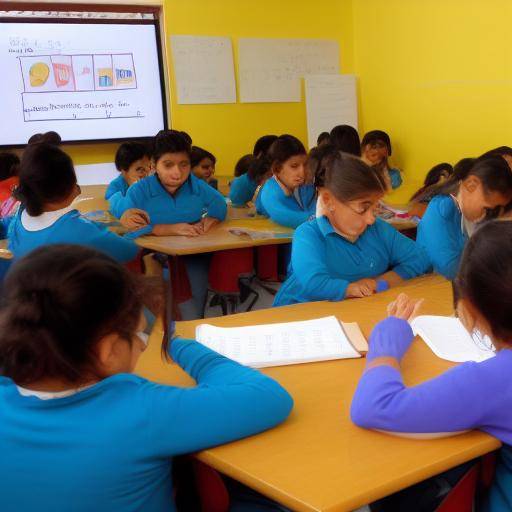
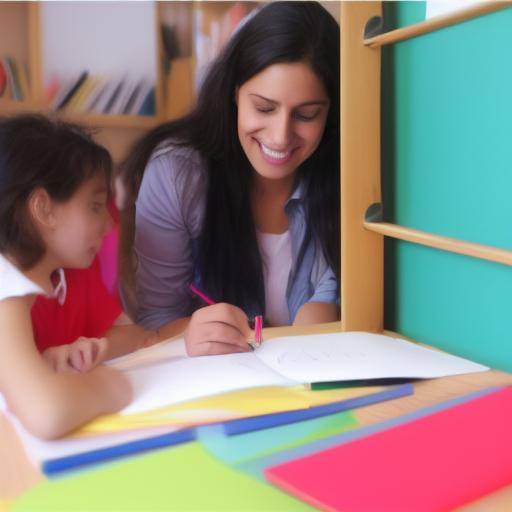
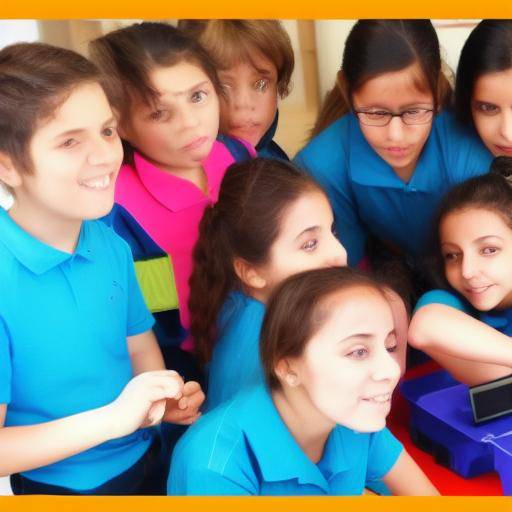
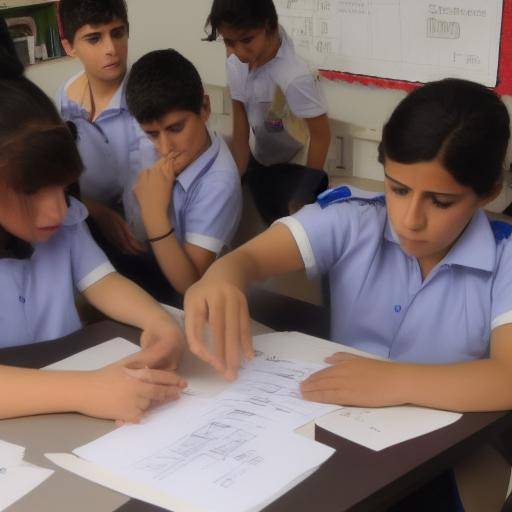
Teamwork is fundamental in any area of life, but its importance is particularly relevant in the context of emotional education. In this article, we will explore the role of teamwork in developing emotional skills in individuals. From its history and evolution to its practical and future application, we will analyze in depth the intersection between teamwork and emotional education.
Introduction
The role of teamwork in emotional education is a subject of growing interest in the field of education and business. Understanding how collaborative work impacts people's emotional development is crucial in an increasingly interconnected world. In this article, we will explore in detail the concept of teamwork, its historical relevance, its implications in the field of education and future perspectives. In addition, we will provide practical advice and concrete examples of its implementation. Join us on this journey of discovery on the fascinating role of teamwork in emotional education.
History and Background
The concept of teamwork has deep roots in the history of humanity. From ancient civilizations to contemporary models of organization, teamwork has been a fundamental pillar in the evolution of society. In ancient Greece, for example, the notion of synergy, that is, the combined effect of several elements that is greater than the sum of their individual effects, laid the foundations for cooperation and collaboration in teamwork.
Over the centuries, teamwork has experienced a continuous process of development and adaptation. From medieval guilds to modern agile methodologies, the way people collaborate has evolved significantly. The Industrial Revolution, with its emphasis on specialization and interdependence, marked a crucial turning point in the history of teamwork, laying the foundations for contemporary practices.
Analysis in Deep
Team collaboration has not only been a vital resource for social progress, but also plays a key role in the emotional development of individuals. According to psychological studies, teamwork not only promotes skills such as effective communication, problem solving and empathy, but also contributes to greater development of emotional intelligence. By interacting with others, people learn to regulate their emotions, understand each other's emotions and manage conflict situations constructively.
Comprehensive review
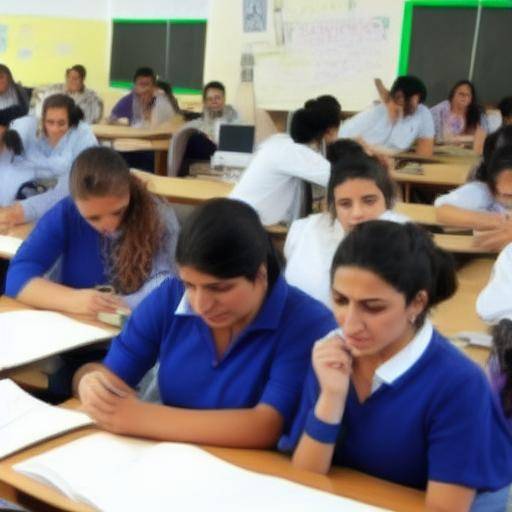
Emotional education, for its part, has become a fundamental pillar in the integral formation of individuals. The focus on the development of emotional competencies has become increasingly relevant in educational, labour and personal environments. It is through teamwork that many of these emotional skills find a fertile ground for their development. Collaboration, tolerance, empathy and adaptive capacity are just a few of the emotional skills that are enhanced in teamwork contexts, becoming fundamental pillars for personal and professional success.
Comparative analysis
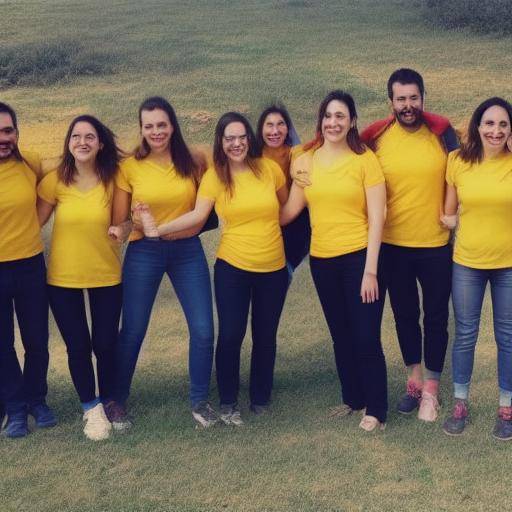
By comparing the role of teamwork in emotional education, there is a clear synergy between both concepts. Both nourish each other, enhancing the integral development of people. While teamwork provides the social and collaborative context for the development of emotional skills, emotional education provides the theoretical and practical basis for understanding and enhancing such skills. This intersection is key to understanding the role of teamwork in emotional education and its transformative impact on society.
Practical Tips and Accessible Recommendations
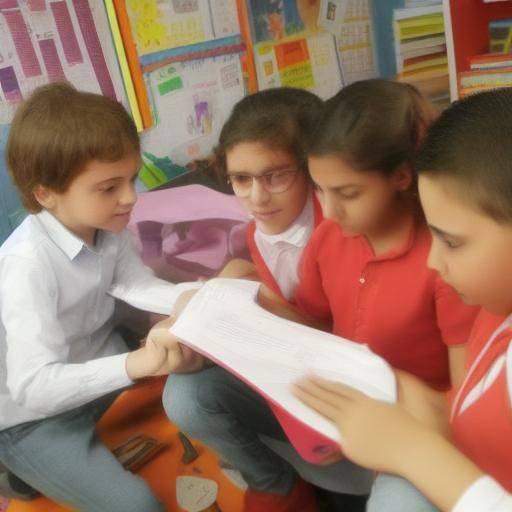
To maximize the role of teamwork in emotional education, it is essential to foster an enabling environment for emotional development within the work teams. This can be achieved through strategies such as emocemotional intelligence training, the promotion of empathy and conflict resolution, and the creation of spaces for reflection and self-knowledge. In addition, integrating teamwork dynamics into formal and informal educational environments contributes significantly to the development of emotional skills in individuals, preparing them to face the challenges in a balanced and constructive manner.
Industry Perspectives and Expert Reviews
According to experts in organizational and educational psychology, the role of teamwork in emotional education is essential to prepare future generations for a constantly changing world. Emotional skills have become a crucial differential in the labour market, and the ability to work as a team effectively is increasingly valued by companies and organizations. Experts agree that fostering a teamwork culture in educational and professional environments is a key investment in the integral development of people.
Case Studies and Practical Applications
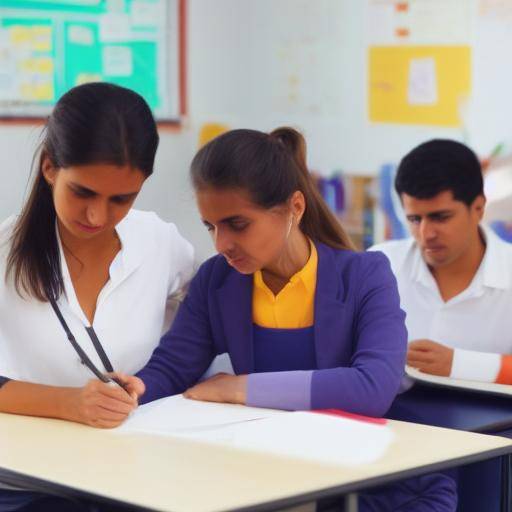
Numerous case studies show how the integration of teamwork strategies into educational programs and working environments has generated a positive impact on the emotional development of participants. From mentoring programs to collaborative projects, the effective implementation of teamwork in educational contexts has proven to strengthen the emotional skills of individuals, preparing them for a full and successful adult life.
Future Trends and Predictions
As we face increasingly complex global challenges, the role of teamwork in emotional education becomes even more important. Future trends are expected to aim at greater integration of teamwork dynamics into educational and labour environments, focusing on the integral development of emotional skills. Likewise, technology will play a crucial role in creating virtual teamwork spaces that foster emotional development through collaboration and social interaction.
Conclusion
In short, teamwork plays a key role in emotional education by providing an enabling environment for the development of emotional skills. The intersection between both concepts enhances the integral growth of individuals, preparing them to face the challenges in a balanced and constructive way. As we move towards an increasingly interconnected future, the promotion of teamwork in educational and labour environments becomes a fundamental pillar for human development.
Frequently asked questions
How does teamwork influence the development of emotional intelligence?
Teamwork provides a scenario for improving empathy, effective communication and conflict resolution, key elements of emotional intelligence.
What are the benefits of integrating teamwork into educational environments?
The integration of teamwork in educational environments promotes the development of social skills, collaboration and experience-based learning, preparing students for real-world situations.
What is the role of emotional education in fostering teamwork?
Emotional education provides the theoretical and practical basis for understanding and enhancing emotional skills, which contributes to an enabling environment for collaboration and teamwork.
How can companies foster emotional development through teamwork?
Companies can promote emotional development through teamwork by creating an organizational culture that values empathy, open communication and collaborative participation.
What effective tools can be used to improve teamwork in educational settings?
The use of participatory methodologies, group dynamics and digital collaborative tools are effective in improving teamwork in educational settings, fostering the emotional development of students.
What is the importance of emotional development in the workplace?
Emotional development in the workplace contributes to an organizational climate, effective conflict resolution and the promotion of positive interpersonal relationships, which has a direct impact on the productivity, well-being and job satisfaction of the collaborators.
In conclusion, the role of teamwork in emotional education is a fundamental axis for the integral development of people. From its historical evolution to its practical application in educational and labor environments, teamwork enhances the development of emotional skills, preparing individuals to confront the world with resilience, empathy and collaboration. The intersection between teamwork and emotional education marks a promising path to a future where emotional skills are the foundation of a more equitable, supportive and prosperous society.
In this article, we have explored in detail the interaction between teamwork and emotional education, providing a comprehensive and revealing look at its importance, applications and future prospects. Through concrete examples, deep analysis and practical advice, we have broken down the transformative role of teamwork in people's emotional development. As the world moves towards more collaborative structures focused on integral well-being, understanding and promoting the role of teamwork in emotional education becomes increasingly essential.
Connecting a past rich in experiences and learning with a promising future and full of opportunities, the conjugation of teamwork and emotional education emerges as a nodal point in the positive evolution of society. From the classroom to the working environment, the promotion of emotional skills through teamwork is an invaluable legacy for present and future generations, delineating a path to more empathic, just and prosperous coexistence.