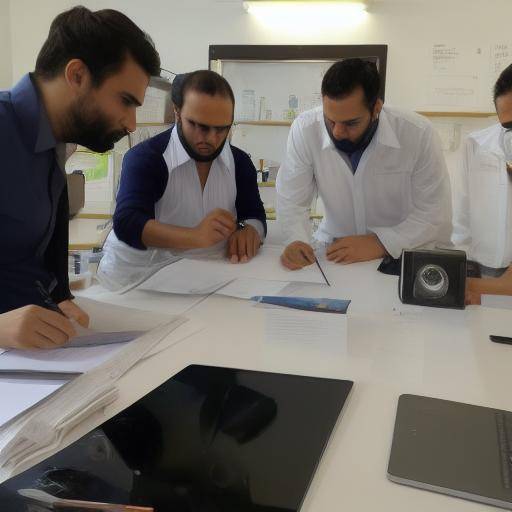
Teamwork is a powerful tool when dealing with conflicts at school. Collaboration between students, teachers and parents can play a crucial role in effective problem solving. In this article, we will explore in depth the benefits of teamwork in conflict resolution in the school environment and provide valuable information on how this practice can positively impact coexistence and learning.
Benefits of teamwork
Find backup with your colleagues
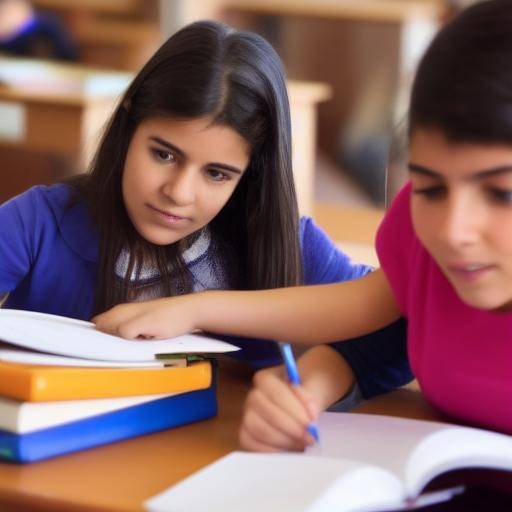
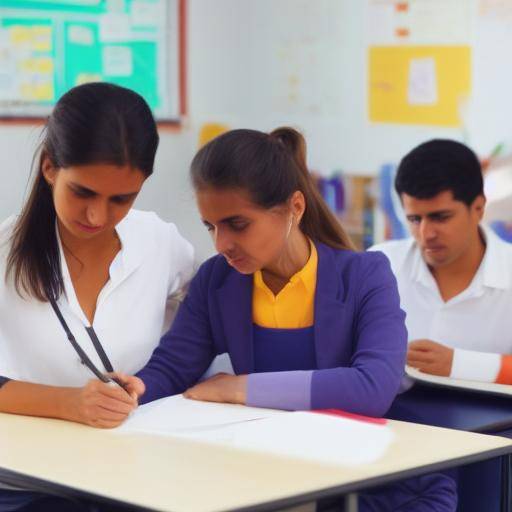
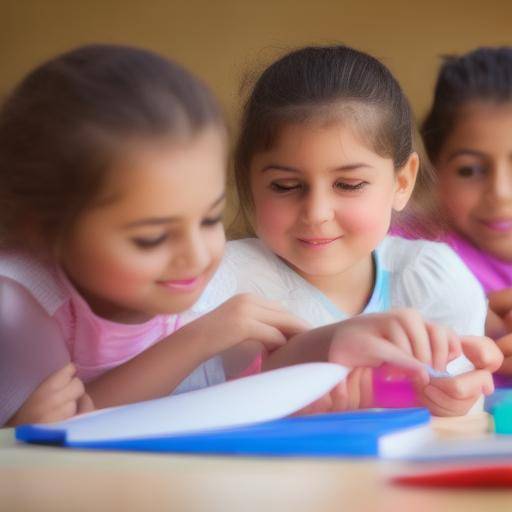
In a school environment, teamwork provides students with the opportunity to use their peers to seek support, different perspectives and creative solutions to conflicts. An atmosphere of camaraderie and mutual trust is encouraged, which can help overcome challenges more efficiently and equitably.
Development of social and emotional skills
When students collaborate in conflict resolution, they have the opportunity to develop skills such as empathy, effective communication and emotional management. These skills are fundamental both in the school environment and in everyday life.
Encourages shared responsibility
Teamwork promotes a sense of shared responsibility among students. Instead of blaming a single individual for a conflict, all those involved are encouraged to take responsibility for the situation and to actively contribute to its resolution, thereby fostering a sense of community and collaboration.
Conflict resolution learning
By participating in the resolution of team conflicts, students have the opportunity to learn effective strategies to address disagreements and interpersonal problems. This is not only beneficial to the current situation, but also provides them with skills that they can apply in their personal and professional life in the future.
Teamwork in the school environment
In the school context, teamwork is not only beneficial for dealing with conflicts, but can also have a positive impact on school climate, inclusion and academic performance.
Impact on school climate
When working as a conflict-solving team is encouraged, a more positive school climate is created. Students feel heard and valued, leading to a more inclusive and harmonious school environment.
Improved academic performance
Teamwork can boost academic performance by fostering a collaborative learning environment. Students who are part of a team and who have conflict skills are often more focused on their studies and willing to actively participate in the learning process.
Promoting inclusion
By involving students in conflict resolution through teamwork, inclusion and diversity are promoted, as respect for individual differences is encouraged and solutions are sought to benefit all involved.
Team conflict resolution: a collaborative approach
Conflict resolution in the school environment can be a challenge, but the collaborative approach to teamwork can provide clarity, equity and mutuality to the situation. Through collaboration and open communication, conflicts can be effectively and constructively addressed.
Effective team conflict resolution strategies
Some effective strategies for resolving team conflicts include active listening, establishing clear rules and fostering an environment of trust and mutual respect. These strategies create a safe space for students to express their concerns and help reach solutions that meet all the parties involved.
Impact on school culture
The collaborative approach to conflict resolution can transform school culture by fostering a culture of respect, open communication and mutual responsibility. These fundamental values contribute to the creation of an harmonious and welcoming school environment, where students feel safe and valued.
Collaboration between teachers, students and parents
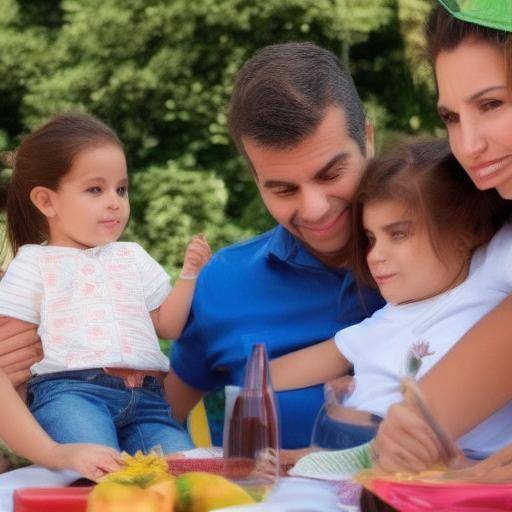
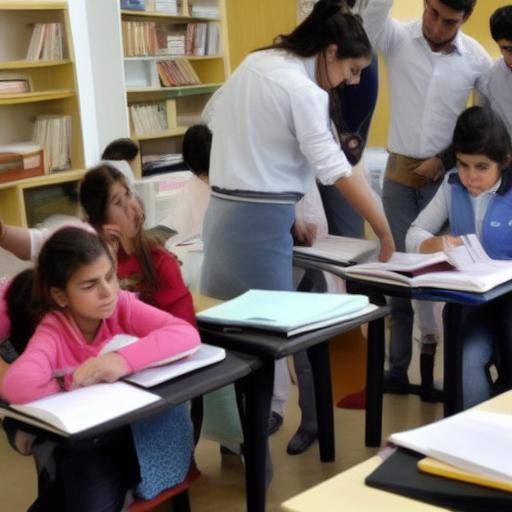
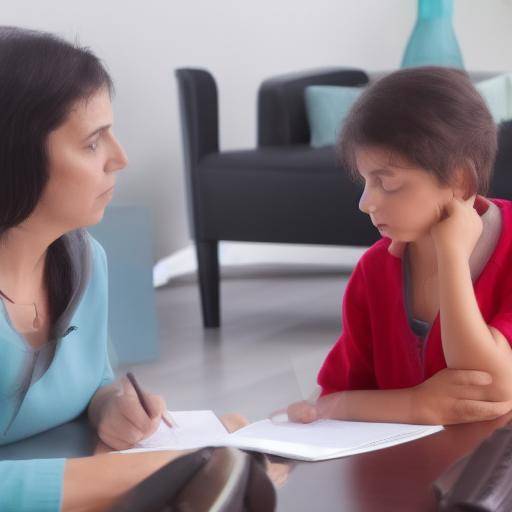
Teamwork in conflict resolution is not limited only to students. Engaging teachers and parents in this process is critical to addressing conflicts in a comprehensive manner. Collaboration among all stakeholders can provide additional perspectives and more comprehensive solutions.
Conclusion
Teamwork in conflict resolution at school offers a variety of tangible benefits that go beyond simply addressing interpersonal challenges. In addition to promoting a positive, inclusive and harmonious school climate, it promotes the development of life-saving social and emotional skills. By adopting a collaborative approach, the basis for an empowering and equitable school environment is laid down, where all members of the school community can contribute to building strong and constructive relationships.
FAQs
How can teamwork benefit conflict resolution at school?
Teamwork provides students with the opportunity to collaborate, develop social and emotional skills, foster shared responsibility and learn effective strategies to deal with conflicts, which can contribute significantly to the peaceful resolution of conflicts in the school environment.
What are some effective strategies for resolving team conflicts?
Some strategies include active listening, clear rules and fostering an environment of trust and mutual respect. These strategies create a safe space for students to express their concerns and help reach solutions that meet all the parties involved.
How can teamwork impact the school climate?
Teamwork can contribute to a more positive school climate by fostering inclusion, respect for individual differences and evaluating all voices. This can create a more harmonious and welcoming school environment for all students.
Is it important to involve teachers and parents in conflict resolution at school?
Yes, collaboration between teachers, students and parents is critical to dealing with conflicts in a comprehensive manner. Additional perspectives and the most comprehensive solutions emerging from this collaboration can have a significant impact on effective conflict resolution.
How can teamwork be encouraged among students?
The promotion of teamwork among students can be achieved through collaborative activities, group projects, problem solving exercises and the establishment of an environment that values collaboration and mutual support.
What are the long-term benefits of fostering teamwork at school?
Fostering teamwork at school not only contributes to effective conflict resolution, but also helps to develop key social and emotional skills, fosters a positive school climate and promotes a sense of shared responsibility among students, laying the foundations for strong and constructive relationships in the future.
In short, teamwork in conflict resolution at school not only provides practical and tangible benefits, but also contributes significantly to the formation of emotionally intelligent, collaborative and socially responsible students. By adopting a joint approach to dealing with conflicts, they lay the foundation for a more inclusive, harmonious and enriching school environment for all involved.