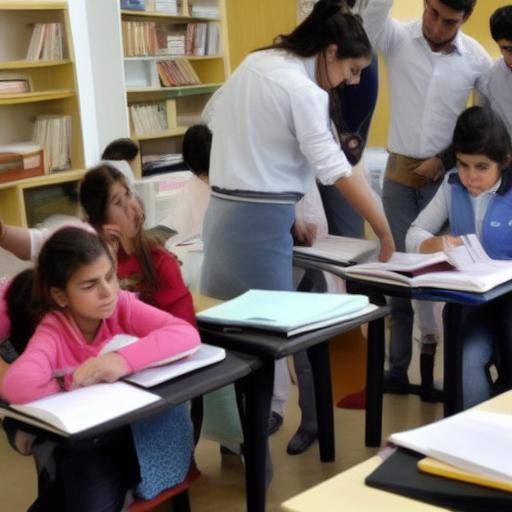
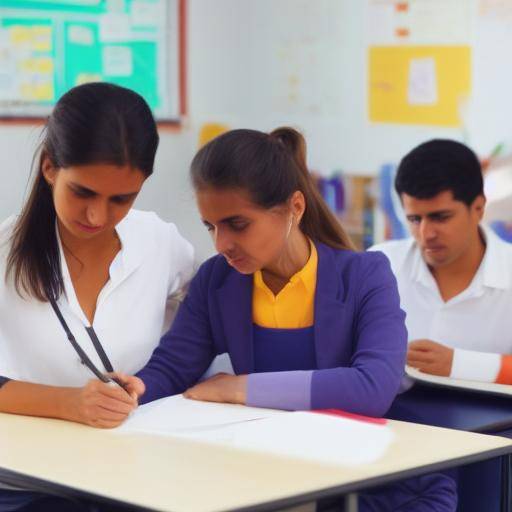
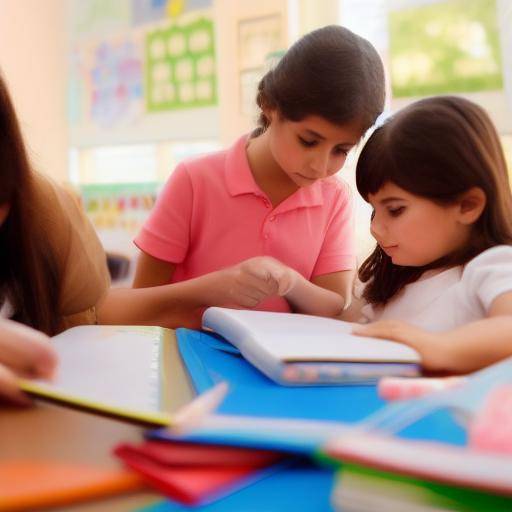
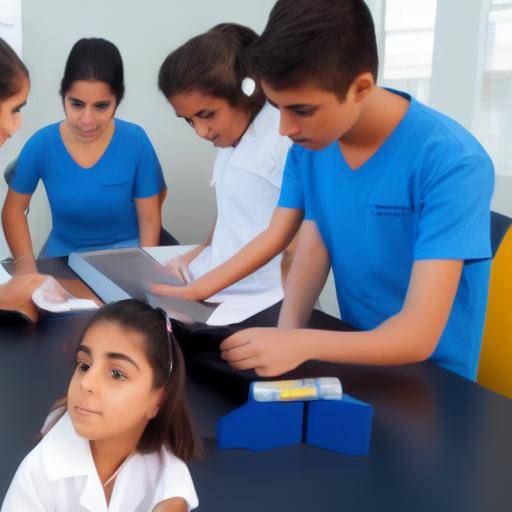
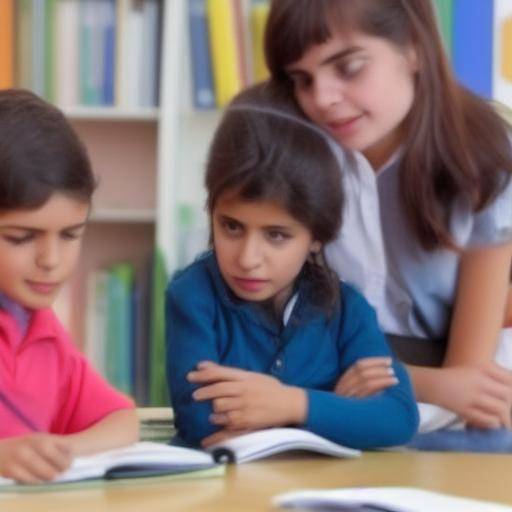
Teamwork in primary education plays a key role in the integral development of children. Through collaboration and interaction with their peers, students not only acquire academic knowledge, but also social and emotional skills that prepare them to face the challenges of the real world. In this article, we will explore in detail the benefits of teamwork in primary education, analyzing its impact, practical applications and future trends.
Introduction
Teamwork in primary education has the power to transform the educational experience of children. Beyond the acquisition of knowledge, it promotes collaboration, mutual respect and empathy, fundamental skills for personal and professional development in adult life. Throughout this article, we will explore how teamwork in primary education benefits students and contributes to their overall growth.
History and Background
The concept of teamwork in primary education has its roots in pedagogical theories that emphasize the importance of cooperative learning. Since the first modern schools, the value of collaboration among students has been recognized to promote an inclusive and participatory classroom environment. Over the years, specific methodologies and approaches have been developed to maximize the benefits of teamwork in primary education.
Analysis in Deep
Benefits of Teamwork in Primary Education
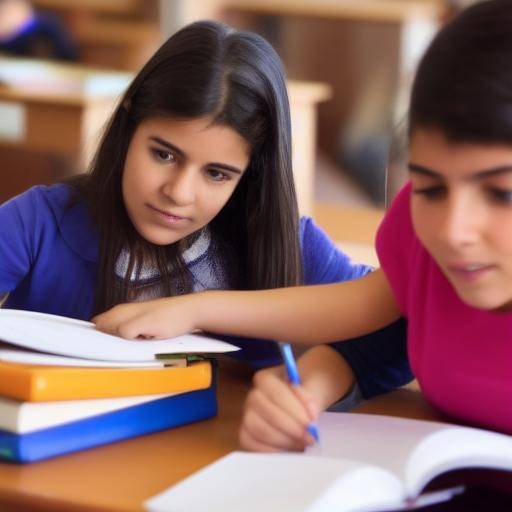
Teamwork in primary education provides a number of significant benefits, both at the academic and social levels. Students learn to communicate effectively, share responsibilities and collaborate to achieve common goals. In addition, teamwork fosters creativity, critical thinking and problem solving, essential skills for life success.
Current Challenges and Trends
Despite its many benefits, teamwork in primary education also presents challenges, such as managing the diversity of skills and personalities within a team. However, current trends point to the implementation of inclusive approaches that value the individual strengths of each student, thus promoting an environment in which all children can contribute significantly.
Comprehensive review
In the application of teamwork in primary education, there are practices and case studies that demonstrate their effectiveness. We will share concrete examples of schools that have successfully integrated teamwork into their curriculum, as well as lessons learned and best practices that can guide other educational institutions.
Comparative analysis
Compare the benefits of teamwork with other educational approaches allows us to better understand its relevance and effectiveness in primary education. We will analyze how teamwork differs from other teaching methods and how it can complement or enrich the educational experience of children.
Practical Tips and Accessible Tips
For educators and parents interested in fostering teamwork in primary education, we will provide practical advice and concrete actions to implement this approach effectively. These recommendations will be based on sound research and actual experiences that support the effectiveness of teamwork in primary education.
Perspectives and Expert Reviews
The vision of experts in education and child development will enrich our analysis, providing a professional and specialized perspective on the impact of teamwork on primary education. Through recent interviews and research, we will explore the views of field specialists and their vision of the future of teamwork in primary education.
Case Studies and Practical Applications
Real case studies will allow us to understand how teamwork has transformed primary education into different contexts and environments. We will examine the results obtained, the challenges faced and the lessons learned, presenting inspiring examples that demonstrate the positive impact of teamwork on primary education.
Future Trends and Predictions
Finally, we will explore emerging trends related to teamwork in primary education and offer predictions about their evolution in the future. We will consider factors such as technology, globalization and changes in the educational field to project how teamwork will continue to play a crucial role in student training in the coming years.
Conclusions and FAQ
Conclusions
In short, teamwork in primary education not only enriches the learning process, but also prepares students to be active and collaborative citizens in society. Their benefits go beyond the classroom, positively impacting on the personal and social development of children, laying the foundation for a successful and successful future.
Frequently asked questions
**1. How does teamwork benefit learning in primary education?**Teamwork stimulates critical thinking, fosters cooperation and promotes key social skills, thus enriching the learning process of children.
**2. What are the best strategies to promote teamwork in primary education?**Promoting collaborative activities, assigning equitable roles and providing constructive feedback are effective strategies to encourage teamwork in primary education.
**3. What challenges can arise when implementing teamwork in primary education?**Managing the diversity of skills and personalities, ensuring equitable participation and resolving conflicts are common challenges in implementing teamwork in primary education.
**4. How does teamwork in primary education relate to social and emotional skills?**Teamwork strengthens social and emotional skills by fostering empathy, effective communication and mutual respect among students.
**5. What role do teachers play in promoting teamwork in primary education?**Teachers play a key role in designing collaborative activities, facilitating conflict resolution and creating an inclusive environment that fosters teamwork.
**6. What are future trends related to teamwork in primary education?**Teamwork is expected to continue to integrate more deeply into educational programmes, adapting to the changing needs of society and technology.
In conclusion, teamwork in primary education is an invaluable tool for the integral development of students. In fostering collaboration, respect and empathy, this approach not only enriches the educational process, but also prepares children to successfully face the challenges of the modern world. With a cooperative learning-centred approach, primary education can cultivate basic skills and values that will last throughout the lives of students.