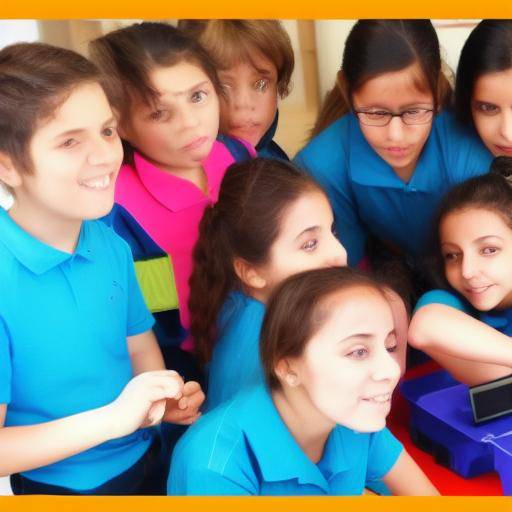
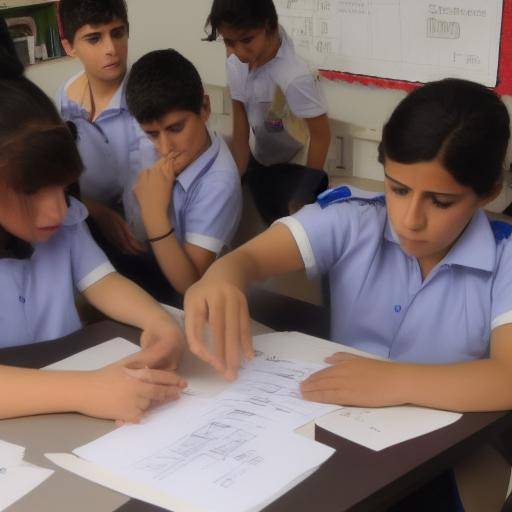
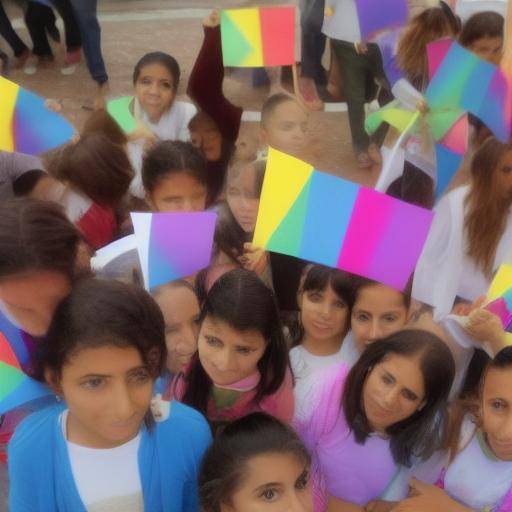
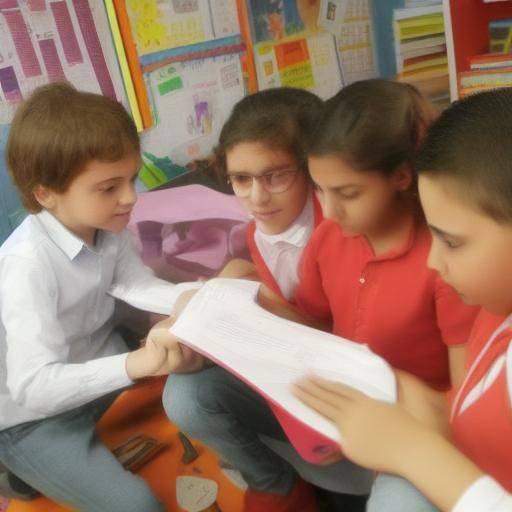
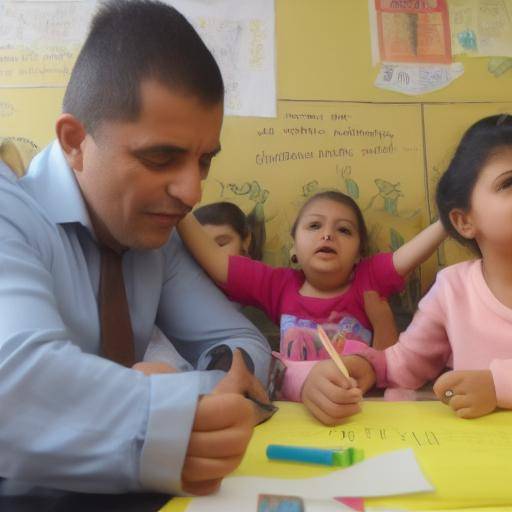
Teamwork is a fundamental tool in education. Cooperative learning, based on student collaboration, is beneficial for academic and social development. In this article, we will explore the crucial role of teamwork in cooperative learning, addressing its history, benefits, challenges, practical applications, future trends and much more.
Introduction
The role of teamwork has evolved significantly in the context of cooperative learning. From its inception to its role in the formation of 21st century skills, this educational approach promotes the interaction between students to achieve common educational goals. Throughout this article, we will navigate through the different aspects that make teamwork essential in cooperative learning.
History and Background
Teamwork and cooperative learning have deep roots in the history of education. From Greek philosophers to the innovators of the 20th century, the collaboration between students has been recognized as a vital component for academic development. We will explore the historical evolution of these practices, from the first mentions in antiquity to their integration into contemporary education.
Deep analysis
The benefits of teamwork in cooperative learning are diverse and significant. From the promotion of social skills to the improvement of academic performance, we will analyze in detail how the collaboration between students has a positive impact on their integral development. In addition, we will address the challenges and obstacles that may arise when implementing cooperative learning strategies.
Comprehensive review
Through different applications and best practices, we will explore how teamwork in cooperative learning translates into tangible results in educational environments. We will immerse ourselves in case studies and expert opinions to fully understand the implications and impact of teamwork on cooperative learning today.
Comparative analysis
We will compare the role of teamwork and cooperative learning in different educational contexts, from primary to higher education. We will identify similarities and differences, and examine how these concepts can complement each other to maximize their effectiveness in the teaching-learning process.
Practical Tips and Recommendations
We will offer practical advice and recommendations to implement teamwork strategies in cooperative learning. From structuring collaborative activities to managing student groups, we will provide practical tools for educators and facilitators to promote an effective cooperative learning environment.
Industry Visions and Expert Reviews
We will build on the experience of education experts to provide valuable insights on the role of teamwork in cooperative learning. Through interviews and trend analysis, we will explore how the methodologies focused on teamwork transform the educational process and prepare students for the challenges of the future.
Case Studies and Practical Applications
Through detailed case studies, we will explore how various educational institutions have successfully implemented teamwork in cooperative learning. We will analyse lessons learned and highlight examples of good practices that demonstrate the effectiveness of this methodology in real situations.
Future Trends and Predictions
Finally, we will immerse ourselves in emerging trends related to teamwork and cooperative learning. Based on current data and expert projections, we will explore the future perspectives of these educational approaches, anticipating the changes and challenges that will shape the educational landscape in the coming years.
Conclusion
In short, the role of teamwork in cooperative learning is fundamental for the promotion of social, cognitive and emotional skills in students. By understanding their historical evolution and their contemporary applications, educators can maximize the potential of cooperative learning to prepare students for an increasingly interconnected and collaborative world.
Frequently asked questions
What is the role of teamwork in cooperative learning?
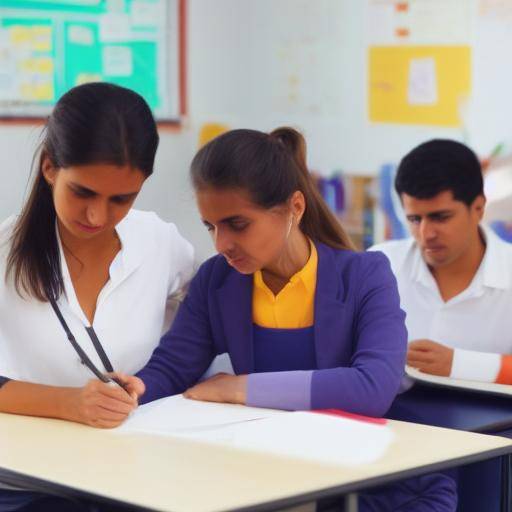
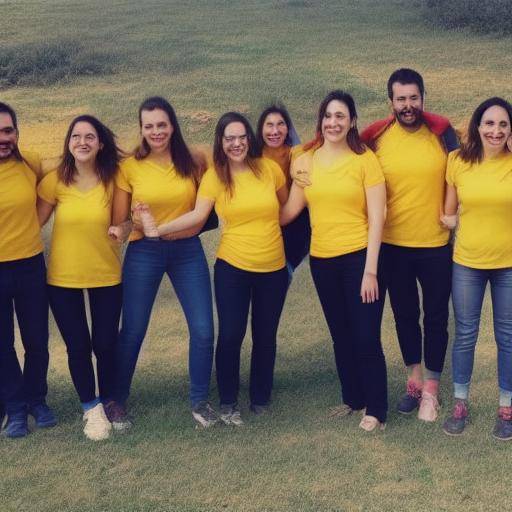
Teamwork in cooperative learning is essential to foster collaboration, communication and problem solving skills among students. By working together towards common goals, students develop a sense of shared responsibility and learn to value individual contributions in a group context.
How can teamwork be encouraged in educational settings?
To promote teamwork in educational settings, it is essential to design activities and assign projects that require collaboration. Educators can establish roles within groups, provide continuous feedback and create an environment that fosters trust and mutual respect among students.
What are the benefits of cooperative learning?
Cooperative learning promotes sound social skills, improves academic performance, fosters inclusion and diversity, and prepares students to face real-world challenges with a collaborative mentality.
What are the challenges of teamwork in cooperative learning?
Some challenges include conflict management within groups, equitable sharing of tasks and responsibilities, and ensuring that all students participate actively. In addition, educators must be attentive to group dynamics and ensure a safe and equitable environment for all students.
How does teamwork influence student personal development?
Teamwork in cooperative learning promotes the development of social and emotional skills, such as empathy, assertiveness, collaboration and leadership. These skills are fundamental to the personal and professional growth of students throughout their lives.
What are future trends in the use of teamwork in cooperative learning?
Future trends in the use of teamwork in cooperative learning are expected to include greater integration of technology, focus on equity and inclusion, and adaptation to hybrid or virtual educational environments.
In conclusion, the role of teamwork in cooperative learning is essential for the integral development of students. By understanding their impact, implementing effective strategies and considering future trends, educators can significantly enrich their students' educational experience through collaboration and joint learning. If you want to deepen this issue, we encourage you to explore more specialized resources in the field.