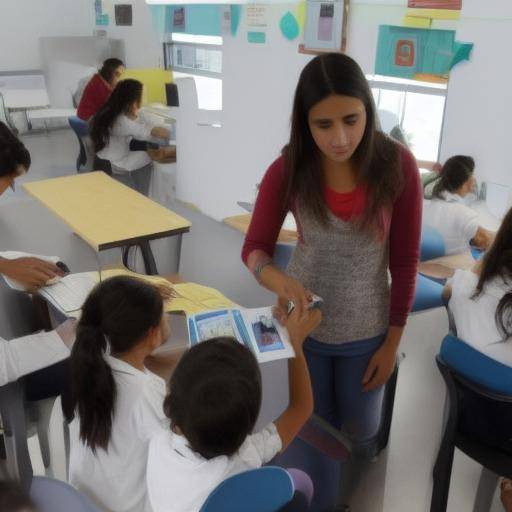
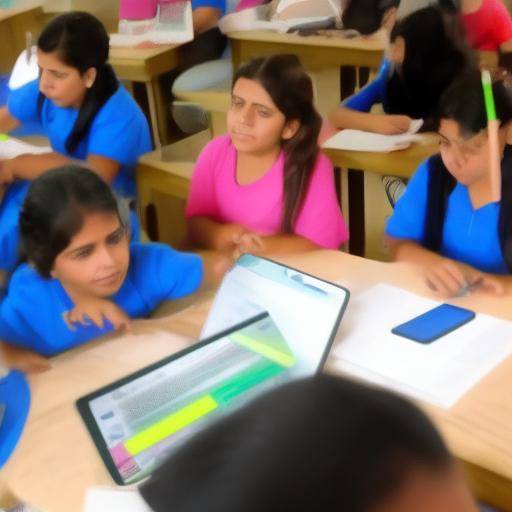
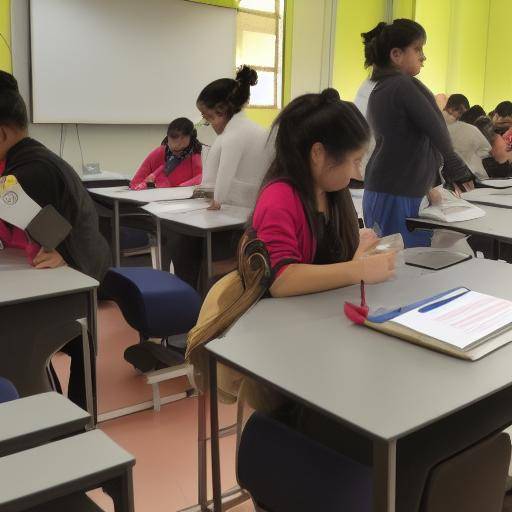
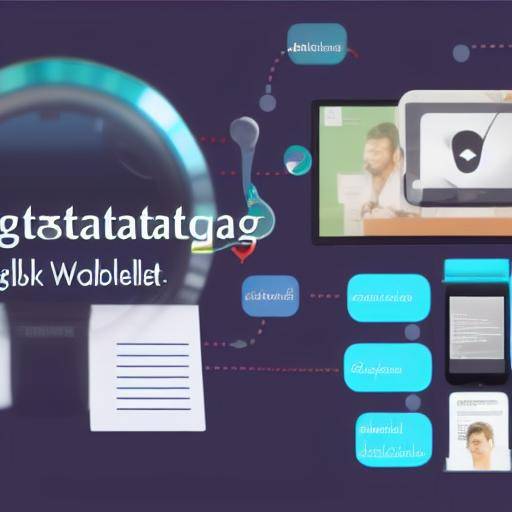
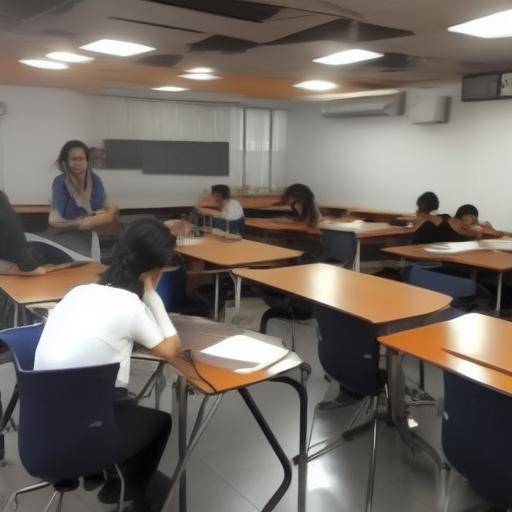
In the digital era, technology has become a key tool for transforming education. The personalization of learning, through the intelligent integration of technology, has revolutionized the way students acquire knowledge. In this complete article, we will discover how technology is shaping the future of personalized learning, its benefits, challenges and its application in various educational contexts.
Introduction
Technology has broken into the educational sphere with unstoppable force. The ability to adapt the teaching process to the individual needs of each student has been one of the greatest advances. The personalization of learning has become a key objective for achieving comprehensive educational development. In this context, technology has been instrumental in providing more effective and attractive educational experiences.
History and Background
The integration of technology in the educational field has its roots in the first forms of distance learning through letters and, subsequently, with the arrival of radio and television. However, the real turning point took place with the arrival of personal computers in the classrooms, which opened a range of possibilities to customize learning.
Evolution has been constant, with the incorporation of educational programmes, the creation of interactive platforms and the emergence of online education. These advances have allowed learning to adapt to the interests, skills and rhythm of each student, laying the foundations for the customization of large-scale learning.
Analysis in Deep
The customization of learning, driven by technology, offers a number of significant benefits. Students have the opportunity to learn more autonomously, strengthening their self-regulation and decision-making skills. In addition, intrinsic motivation is encouraged by adapting educational content to individual interests, which increases participation and commitment.
However, this approach is not without challenges. The digital divide, data privacy, and teacher training are aspects that need to be addressed comprehensively. Despite these challenges, technology remains a catalyst for learning customization, providing innovative tools and increasingly effective strategies.
Comprehensive review
Understanding study cases and best practices in the implementation of technology for learning customization is critical. Various experiences show how the adaptation of content and immediate feedback can significantly enhance academic performance.
The application of artificial intelligence, increased reality and gamification are concrete examples of how technology can customize learning. It is also crucial to understand the views of experts and future projections regarding the evolution of this trend.
Comparative analysis
The interaction between technology, education and the personalization of learning is a key component in understanding its complexity. Although technology can be a powerful tool to customize education, it is important to consider that effective implementation requires a deep understanding of the individual needs of students.
Practical Tips and Accessible Recommendations
If you want to implement technology to customize learning, it is essential to consider certain aspects. Choosing appropriate technological tools, specialized teacher training, and continuing evaluation of results are practices that can make the difference in the effectiveness of this approach.
Industry Perspectives and Expert Reviews
The opinions of experts in the field of education and technology provide a privileged view of current and future trends. Their valuable perspectives fuel debate around the customization of learning through technology.
Case Studies and Real Life Applications
Case studies provide real examples of how technology has transformed educational experience into various institutions and environments. Exploring these specific applications gives us a wider understanding of the effectiveness of technology in learning customization.
Future Trends and Predictions
The analysis of emerging trends allows us to glimpse the future of technology, education and learning customization. Adaptive learning, virtual reality, and the integration of data analytics are just some of the trends that promise to revolutionize personalized education even more.
Conclusion and Frequently Asked Questions
Conclusion
The strategic integration of technology in education has paved the way for a personalization of learning that adapts to the individual needs of students. This approach, supported by technological innovation, has the potential to transform the way knowledge and skills are acquired.
Frequently asked questions
1. How can technology customize learning?
Technology can customize learning through content adaptation, immediate feedback, and the creation of individualized learning paths based on the progress and needs of each student.
2. What are the main challenges in integrating technology for learning customization?
Challenges include the digital divide, data privacy, teacher training and equity in access to technology and its benefits.
3. What role does artificial intelligence play in the personalization of learning?
Artificial intelligence can analyze data from students to adapt content and offer personalized recommendations, which improves the effectiveness of the learning process.
4. How can schools effectively incorporate technology into learning customization?
Teacher training, the selection of appropriate technological tools and the implementation of student-centred pedagogical strategies are essential to effectively incorporate technology.
5. What is the impact of learning customization on academic performance?
Personalized approaches have the potential to increase student motivation, commitment and academic performance by adapting learning to their interests and skills.
6. What are future trends in the customization of learning through technology?
Future trends include adaptive learning, virtual reality, educational data analysis and the integration of artificial intelligence to provide more personalized and effective education.
In short, technology has paved the way for a revolution in education, allowing personalization of learning in an unprecedented way. The positive impact of this approach is reflected in the commitment and academic performance of students, preparing them for a future in which learning is truly personalized and enriching.