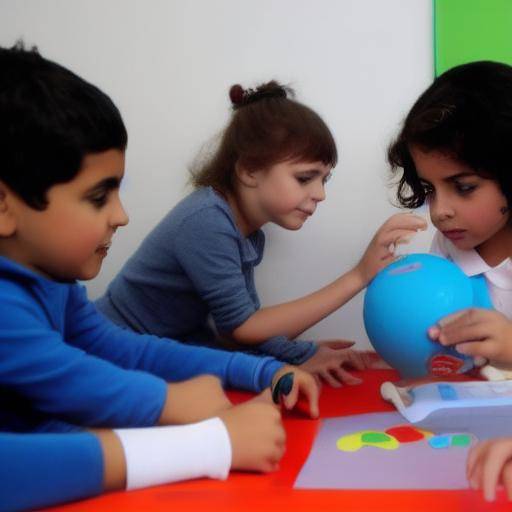
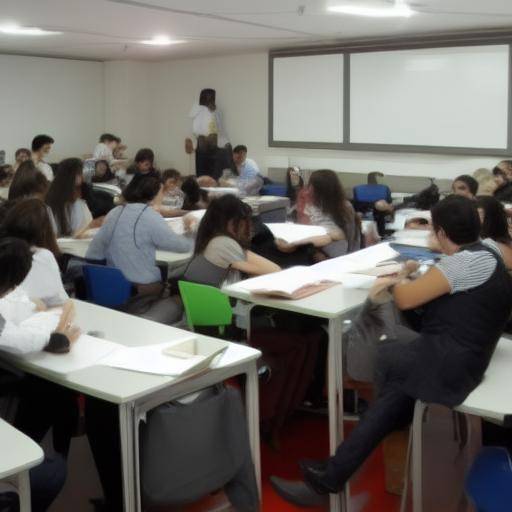
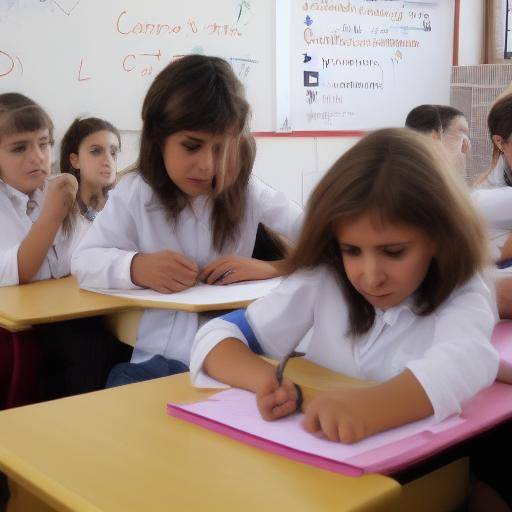
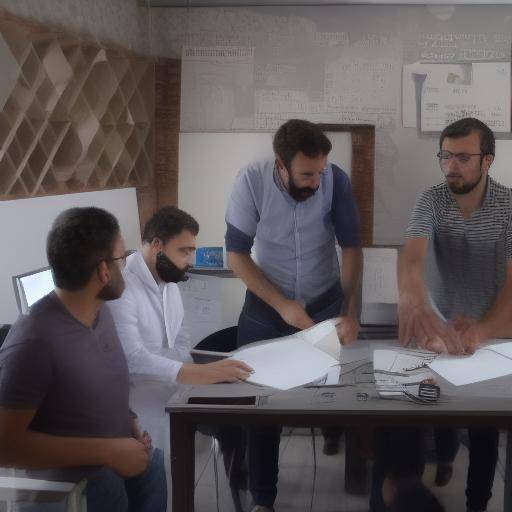
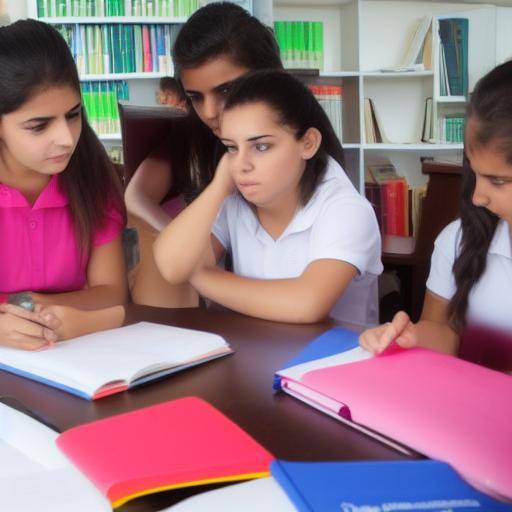
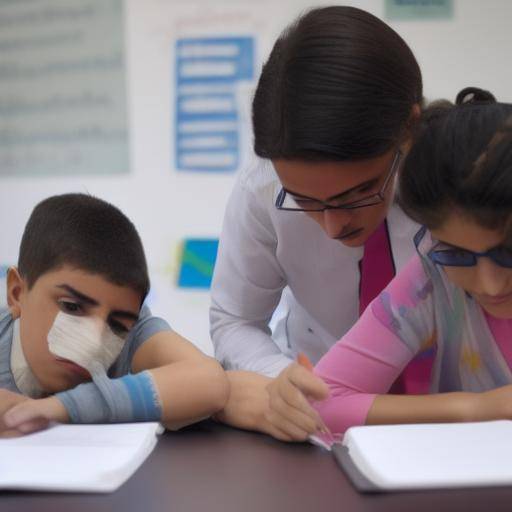
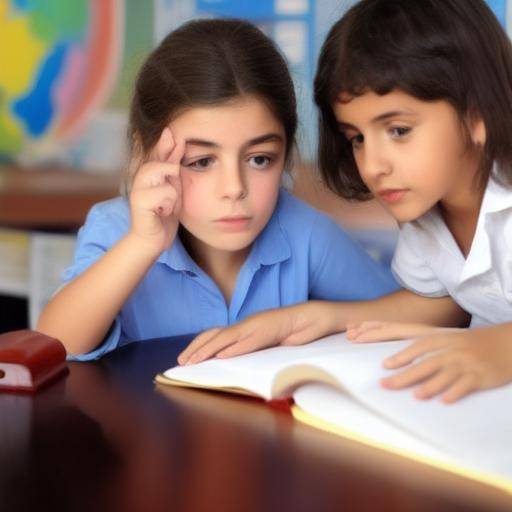
The teaching of problem solving skills in the classroom is a fundamental aspect in the integral development of students. This educational approach goes beyond the mere transmission of knowledge, as it builds the capacity of students to address challenges and find creative solutions to complex situations. In this article, we will explore the importance of education in solving problems, its application in the classroom and its relevance in the current educational context.
Introduction
The development of problem solving skills is essential in a constantly evolving world. For this reason, education in problem solving has become a fundamental pillar in the formation of individuals capable of facing the challenges of the twenty-first century. This article will provide a comprehensive insight into the teaching of problem solving skills in the educational environment, highlighting its importance, benefits, challenges and strategies for effective implementation in the classroom.
History and Background
The importance of solving problems in the educational field has deep roots in the history of pedagogy. Since the dawn of formal education, the ability to solve problems has been recognized as an essential component of learning. Educational methods have evolved to integrate approaches that encourage critical thinking and solving complex situations.
During the twentieth century, cognitive psychology and pedagogy systematized the study of problem solving, which contributed to the development of more effective educational approaches. However, in recent decades, the rapid expansion of technology and globalization has emphasized the need to train students in problem-solving skills to meet the challenges of the world today.
Analysis in Deep
The teaching of problem solving skills brings multiple benefits in the educational field. Students who develop these skills improve their ability to face academic, labor and personal challenges. In addition, problem solving promotes creativity, critical thinking, informed decision-making and collaboration, fundamental skills for success in contemporary society.
However, effective implementation of problem-solving strategies also poses challenges. The diversity of student profiles, the evaluation of skills and the integration of curricula are aspects that require a careful approach to ensure positive results.
Comprehensive review
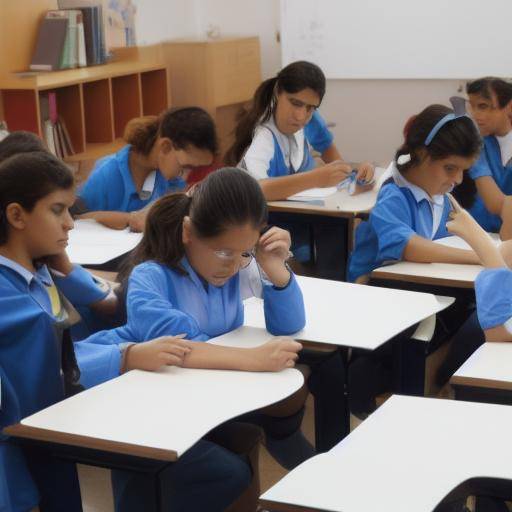
The practical application of problem solving skills teaching in the classroom is a topic of great relevance. The adoption of innovative pedagogical methods, the design of interactive activities and the incorporation of educational technologies are approaches that can enhance the development of these skills in students. Also, linking with the working environment and everyday life promotes the transfer of knowledge and skills.
The detailed analysis of different problem-solving teaching methodologies allows us to identify successful practices, common challenges and future perspectives. The integration of study cases, concrete examples and good practices enriches the understanding of this educational approach.
Comparative analysis
Although the terms "education and resolution of problems", "resolution of problems" and "teaching in the classroom" are often used interchangeably, it is important to distinguish their nuances and scopes. Education and problem solving encompasses a comprehensive approach that goes beyond the simple acquisition of technical skills, promoting a holistic approach in the educational process. On the other hand, problem solving and classroom teaching focus on the specific development of competencies to effectively address complex situations.
Practical Tips and Advice Action
- Promote troubleshooting from an interdisciplinary perspective, integrating various areas of knowledge to enhance critical thinking.
- Use real cases and daily situations as a starting point for developing problem solving skills, contextualizing learning.
- Implement experiential learning strategies that involve students in the active resolution of challenges.
- Integrate problem solving into the curriculum in a cross-sectional way, strengthening its application in different contexts and subjects.
Sector Information and Views of Experts
The analysis of trends and the views of experts in the field of education and problem-solving provide an integral view of the opportunities and challenges that characterize this field. Collaboration with educational specialists, educational psychology and technology applied to education allows the identification of emerging trends and priority development areas.
Case Studies and Real Life Applications
The presentation of detailed study cases that illustrate the successful implementation of problem-solving strategies provides concrete examples of the impact of this educational approach. The analysis of results, lessons learned and the diversity of contexts in which these strategies apply enriches the reader's understanding.
Future Trends and Predictions
The closure of the article will include a comprehensive analysis of emerging trends and future predictions in education and problem solving. Based on current data and expert opinions, potential scenarios and challenges will be projected that will influence the evolution of this field.
Conclusion
In conclusion, the teaching of problem solving skills in the classroom represents a fundamental pillar for the comprehensive training of students. Its impact transcends the academic sphere, affecting the professional and personal lives of individuals. The effective implementation of problem-solving pedagogical strategies contributes significantly to the development of competencies necessary to meet current and future challenges.
FAQs
Why is it important to teach troubleshooting skills in the classroom?
The teaching of problem solving skills in the classroom is crucial because it prepares students to face challenges in a constantly evolving world. These skills promote critical thinking, creativity and informed decision-making, essential elements for their integral development.
How can problem solving be effectively encouraged in the classroom?
The incorporation of active methodologies, the use of real cases and the encouragement to the exploration of creative solutions are effective strategies to encourage the resolution of problems in the classroom. Linking with the working environment and everyday life can enrich students' learning in this regard.
To what extent does problem solving contribute to the integral development of students?
Problem solving goes beyond the mere acquisition of knowledge, as it enhances skills and competencies fundamental to success in different spheres of life. It contributes to the development of critical thinking, adaptive capacity and the generation of alternatives in diverse situations.
What are the most common challenges in problem-solving teaching?
The diversity of student profiles, the effective assessment of problem-solving skills and curriculum integration represent common challenges in teaching this competition. Overcoming these challenges requires a flexible and holistic approach to student development.
How can you evaluate the development of problem solving skills in students?
The assessment of problem-solving skills development can be carried out through case studies, collaborative projects, integrative challenges and training evaluations that demonstrate the level of competition in this area. Observing the ability of students to identify problems, propose creative solutions, analyze alternatives and make informed decisions can provide relevant indicators for evaluating these skills.
What is the role of the teacher in teaching troubleshooting skills?
The teacher plays a key role as a guide in the process of teaching problem-solving skills. Its role is to design meaningful learning experiences, provide constructive feedback and promote an enabling environment for the development of these skills.
In short, the teaching of problem solving skills in the classroom is a relevant field with deep implications for the integral development of students. Its effective adoption requires a comprehensive and strategic approach that enhances critical thinking, creativity and informed decision-making. By implementing innovative pedagogical strategies, integrating problem solving into the curriculum and promoting an interdisciplinary approach, educational institutions can contribute significantly to the development of future generations prepared to confront the challenges of the contemporary world.