At present, soft skills have gained great relevance in the field of labour and education. The ability to solve problems is not only fundamental to personal development, but also to professional success. In this article, we will explore in detail the benefits of problem solving in the formation of soft skills, addressing its historical importance, its impact today, comprehensive analysis, practical advice, expert opinions, case studies, real life applications and future trends.
Introduction
Problem solving is a cognitive process that involves identifying an unwanted obstacle or situation and finding effective ways to overcome it. In the working environment, this skill is highly valued, as it allows professionals to address challenges effectively, innovatively and collaboratively. Also, in the educational field, problem solving has become a fundamental element for the development of soft skills in students.
In this article, we will explore in depth the benefits of problem solving in the formation of soft skills, focusing on its historical impact, its application today and its future prospects. In addition, we will provide practical advice, expert opinions, case studies and tangible examples to illustrate their relevance in various contexts.
History and Background
The resolution of problems has a rich and diverse history that goes back to the dawn of humanity. From the first civilizations to the modern era, human beings have faced challenges and obstacles that have required creative and innovative solutions.
Origins and Evolution
The history of problem solving is intertwined with the development of humanity. From the first tribes to modern societies, man has had to face obstacles of various kinds, both in the personal and professional spheres. The need to overcome these difficulties has led to the evolution of the ability to solve problems as a crucial skill for survival and progress.
The concept of problem resolution has been studied and analyzed throughout history. From ancient philosophies to contemporary theories, the approach of problem solving has been a topic of interest in disciplines such as psychology, sociology, education and business management. Over the centuries, various methodologies and approaches have been developed and refined to understand and improve the ability to solve problems.
Relevant Daughters and Developments
Throughout history, several milestones have contributed to the development and understanding of problem solving. From the philosophical thought of the Greeks to the contemporary theories of problem resolution, different moments have marked significant advances in this field.
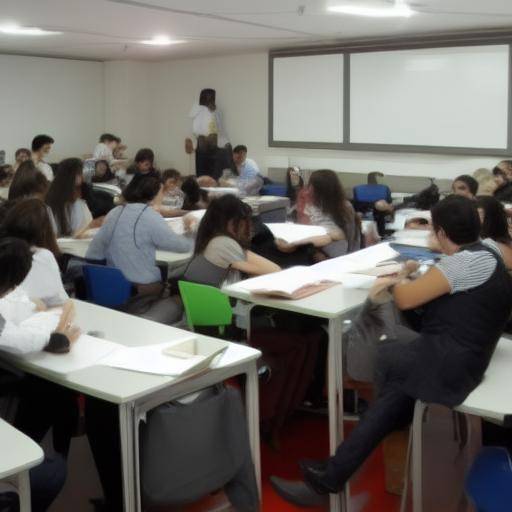
One of the most relevant milestones in the history of problem solving is the incorporation of this skill in the educational field. As pedagogy has evolved, the importance of developing problem-solving skills in students has been increasingly recognized, not only as a way of acquiring practical knowledge, but also as a means of fostering critical thinking, creativity and intellectual autonomy.
Comprehensive analysis
Trouble resolution entails numerous benefits, both individually and collectively. Then we will detail the benefits of cultivating this skill in the context of the formation of soft skills.
Individual benefits
- Development of critical thinking: Problem solving stimulates analytical thinking, evaluating complex situations and generating informed solutions.
- Fostering creativity: Faced with challenges, people must explore and generate innovative ideas, which contributes to enhancing creativity and inventiveness.
- Improved decision-making: When learning to solve problems, people acquire skills to evaluate different options and make informed and effective decisions.
- Power of autonomy: Problem-solving promotes intellectual independence, self-regulation and self-confidence in their own capacities.
Collective Benefits
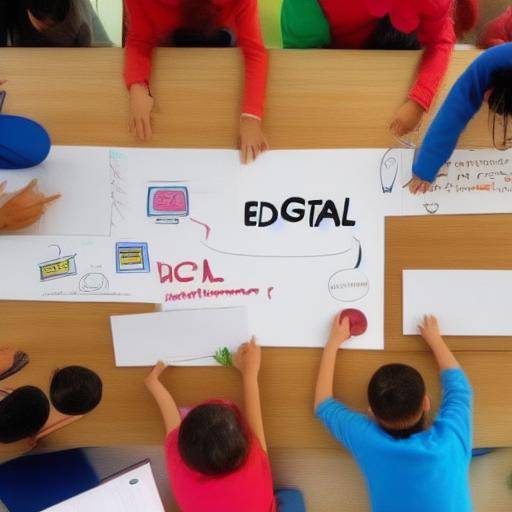
- Improvement of teamwork: The resolution of collaborative problems strengthens the cohesion of the teams, promotes effective communication and enhances synergy among its members.
- Stimulus of innovation: In addressing challenges creatively, organizations can boost innovation and continuous improvement in their processes and products.
- Adaptation to change: Troubleshooting skills prepare individuals and organizations to face and adapt to situations of change and complexity.
Futures
The impact of problem solving on the formation of soft skills will continue to be critical in the future. As society moves towards more dynamic and challenging workplaces, problem solving skills will become even more relevant. The ability to adapt, innovate and find effective solutions will be a crucial differential in a constantly evolving working environment.
In addition, in the field of education, it is hoped that the integration of problem-solving into the curricula will continue to be important. Educational institutions will increasingly seek to develop in their students skills that transcend mere theoretical knowledge, prioritizing the ability to face challenges critically, creatively and collaboratively.
Practical Tips and Recommendations
Developing the ability to solve problems effectively requires practice and intentionality. Here are some practical tips to promote this skill in both the educational and professional fields.
- Fostering a safe learning environment: in the educational field, it is crucial to create an environment in which students feel safe to explore solutions and make mistakes, which encourages creativity and experimentation.
- Integrate practical cases and problem-solving exercises: both in the educational and professional context, the inclusion of real cases and practical exercises enhances the ability to apply knowledge to specific situations.
- Promoting collaboration: foster teamwork and collaboration in problem solving strengthens soft communication, leadership and empathy skills.
Opinions of Industrial Experts and Perspectives
To get a deeper insight into the importance of problem solving in the formation of soft skills, we have consulted experts in the field of education and business.
According to Dr. Ana Rodriguez, an expert psychologist in cognitive development, "The resolution of problems is a fundamental ability that not only involves finding solutions, but also understanding and evaluating situations from different perspectives, which promotes a more holistic and deeper understanding."
In the business field, the CEO of a recognized technology company, Javier Gómez, emphasizes that "The problem solving skills are highly valued in our teams, as they encourage innovation, adaptability and the ability to face challenges in a highly changing market."
Case Studies and Applications in Real Life
To illustrate the concrete benefits of problem solving in the formation of soft skills, we present two cases of success in different areas.
Case 1: Education
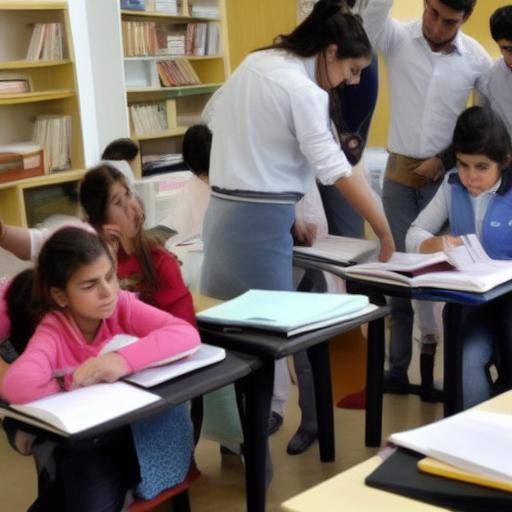
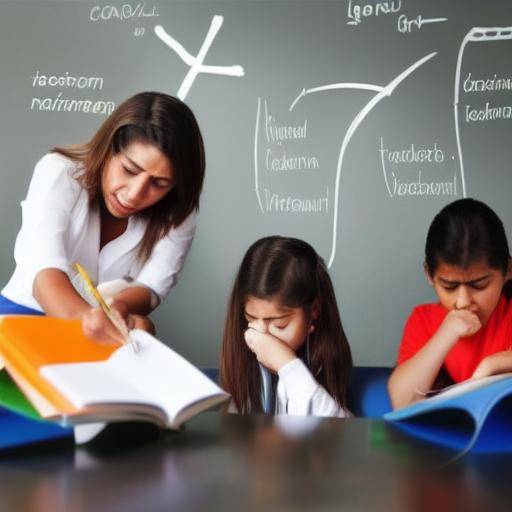
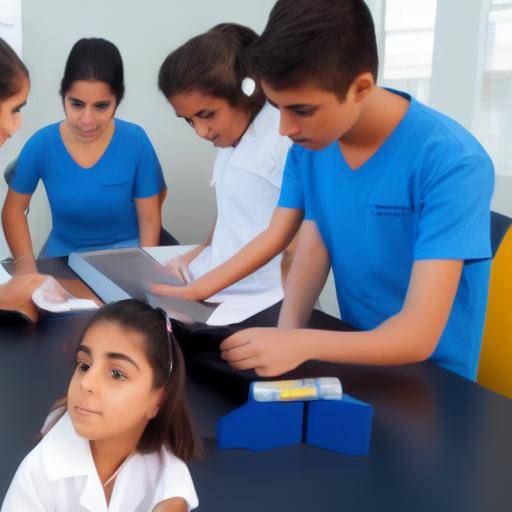
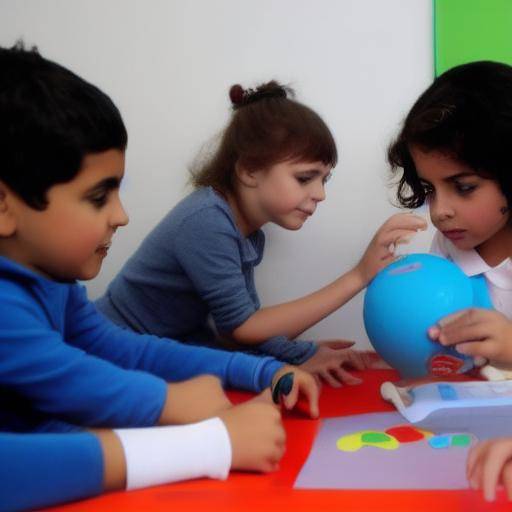
A primary school implemented a program that promotes the development of problem solving skills from early ages. After a year of implementation, there was a marked increase in students' ability to tackle challenges autonomously, collaboratively and creatively, which was reflected in their academic performance and emotional well-being.
Case 2: Business
A consulting firm carried out a problem solving exercise on equipment to address a complex operational challenge. Through the use of innovative approaches and effective collaboration, the team managed to identify and implement solutions that resulted in significant improvements in the company's internal processes, as well as customer satisfaction.
These examples show how problem solving is not only beneficial at the individual level, but also has a tangible impact on educational and business environments.
Future Trends and Predictions
As we move towards an increasingly digital and globalized future, problem solving is expected to continue to play a crucial role in the formation of soft skills. The growing complexity of the challenges in the working environment will require professionals with the ability to address problems flexibly, creatively and ethically. In addition, integrating technology and artificial intelligence into various industries will open up new opportunities for problem-solving skills in innovative and multidisciplinary contexts.
Conclusion
Problem solving is an essential skill that influences the formation of soft skills in multiple areas. Its historical impact, individual and collective benefits, as well as its future relevance, demonstrate its continued importance in the modern world. By cultivating this skill, both in the field of education and in the professional field, the development of more adaptable, innovative and prepared individuals and organizations is encouraged to face challenges effectively.
Frequently asked questions
Why is problem solving important in the formation of soft skills?
Problem solving is fundamental in the formation of soft skills, as it promotes critical thinking, creativity, informed decision-making, teamwork and adaptability, essential skills in the current working environment.
How can I improve my troubleshooting skills?
To improve problem solving skills, it is important to practice the identification of challenges, evaluate different options, encourage creativity, seek collaborative solutions and learn from each problem solving experience.
What are the benefits of integrating problem solving into education?
Integrating problem solving in education fosters the development of cognitive, emotional and social skills in students, preparing them to face challenges in their academic, professional and personal lives.
What role does troubleshooting play in business?
In the business sphere, problem solving is essential for continuous improvement, innovation, adaptation to change and operational efficiency. Organizations that foster this skill among their employees tend to be more agile and competitive.
What are future trends in problem solving?
Future trends in problem-solving include technology integration, the focus on sustainable and ethical solutions, multidisciplinary collaboration and the application of innovative methodologies to address global challenges.
How can I apply problem solving in my working or educational environment?
In order to apply problem solving in your working or educational environment, it is important to identify specific challenges, promote collaborative and creative thinking, seek innovative solutions and continually evaluate the results for further improvements.
Conclusion Problem solving is an essential skill that has a significant impact on the formation of soft skills. Its historical importance, current benefits and future prospects demonstrate its continuing relevance in a constantly changing world. By actively promoting the development of this skill, both in the educational and professional spheres, it contributes to the formation of more adaptable, innovative and capable individuals and organizations to meet challenges effectively.