Introduction
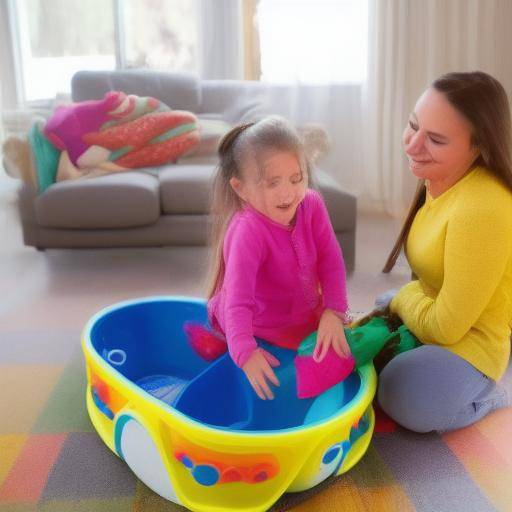
The ability to solve problems is essential in the development of children, as it allows them to face challenges, think critically and find effective solutions. In this article, we will explore a variety of educational activities designed to improve problem solving in children. From games and puzzles to critical thinking exercises, you will discover practical strategies to promote this fundamental skill. Join us on this journey to discover how you can support children's cognitive development in a fun and meaningful way.
History and Background
Understanding the importance of solving problems in child development requires reviewing their evolution over time. From the first educational theories to the contemporary approach, education in problem solving has been a vital subject in the pedagogical sphere. We will explore historical milestones, key figures and significant developments that have shaped the current understanding of this area. As we immerse ourselves in the past, we will get a clearer perspective on the importance of activities to promote problem solving in children.
Deep analysis
The resolution of problems through educational activities not only promotes critical thinking, but also empowers children to effectively address real situations. We will examine the advantages and challenges inherent in this approach, supporting us with data, case studies and tangible examples. We will analyze multiple perspectives, offering an integral vision of this fundamental area of child cognitive development.
Comprehensive review
Best practices in improving problem solving in children through educational activities are critical to academic and personal success. We will share perspectives of experts, case studies and future projections to highlight how these activities positively impact the cognitive growth of children.
Comparative analysis
Distinguishing between various activities and approaches aimed at improving problem solving in children is essential for choosing effective strategies. We will explore similarities, differences and possible synergies between different methods, presenting detailed examples and practical scenarios to illustrate these distinctions.
Practical Tips and Accessible Advice
To effectively implement troubleshooting activities in educational and home environments, we will offer practical advice and actionable advice. Through broken lists and step-by-step guides, we will provide detailed explanations and substantiated justifications to optimize learning.
Perceptions of Industry and Expert Reviews
A detailed analysis of expert opinions and current trends in improving problem solving through educational activities will open a window to the future of child cognitive development. We will examine future implications and projections based on contributions from leading academics and industry leaders.
Case Studies and Real Life Applications
Observing detailed study cases that demonstrate the practical applications of these activities will provide a deeper understanding of the impact of the educational approach on problem solving. We will analyze results and lessons learned in different contexts to enrich our understanding of this crucial issue.
Future Trends and Predictions
Exploring emerging trends related to improving problem solving through educational activities will give a privileged vision of the future. Through predictions based on current data and expert opinions, we will consider the challenges and opportunities that could influence this area in the future.
Conclusions and FAQs
Conclusions
In reflecting on the wealth of knowledge addressed in this article, it is clear that solving problems through educational activities is an essential component in the cognitive development of children. By implementing effective strategies, educators and parents can powerfully influence children's problem solving skills. The lasting benefits of these activities will be reflected in their ability to face challenges and make informed decisions in everyday life.
Frequently asked questions
1. Why is it important to promote problem solving in children through educational activities?
Troubleshooting is a vital skill that allows children to face challenges effectively, encourages critical thinking and promotes the development of essential cognitive skills that impact their success throughout life.
2. What types of activities are effective in improving problem solving in children?
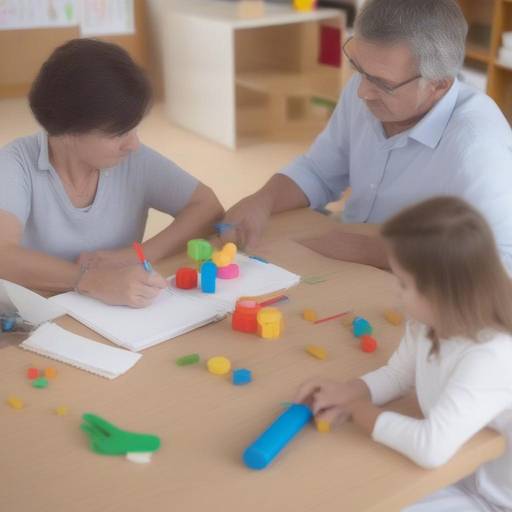
Activities such as puzzles, strategic table games, mathematical puzzles and creative thinking activities are highly effective in stimulating problem solving in children.
3. How old should we begin to promote problem solving through educational activities?
From an early age, the resolution of problems in children can be encouraged through activities adapted to their development stage. This lays the foundation for solid skills in the future.
4. What are the long-term benefits of improving problem solving in children?
Children who develop strong problem solving skills tend to have more creative thinking, be able to make informed decisions and face challenges effectively, which serves them throughout their lives.
5. How can parents and educators foster troubleshooting at home and at school?
Parents and educators can foster problem solving by providing challenging activities, providing support and encouraging children to face challenges independently, always strengthening the value of the resolution process.
6. What are some additional resources for more information on activities to improve problem solving in children?
There are many resources, such as specialized books, online courses and educational materials, which provide detailed guides and effective strategies to improve problem solving for children.
By offering comprehensive answers to these common questions, we hope to have enriched your understanding of activities aimed at improving problem solving in children.
In short, training children with strong problem solving skills through educational activities is an invaluable investment in their cognitive development. We encourage educators and parents to implement these strategies in a creative and consistent way to cultivate a generation of critical thinkers and troubleshooters. As we enter into the future, the lasting impact of these practices will be evident in the ability of children to address challenges with confidence and determination.
Completed, the article provides a comprehensive and insightful understanding of activities aimed at improving problem solving in children, integrating a wide range of approaches and perspectives.