Introduction
What makes project-based learning such an effective strategy for teaching? The answer lies in its ability to integrate problem solving, an essential skill in both the educational and the working world. In this article, we will explore in depth how to integrate problem solving into project-based learning, disaggregating its importance, benefits and practical applications. Continue reading to discover how to enhance learning through problem solving in project environments.
History and Background
The project-based learning approach is rooted in the movement of 19th-century progressive education, which sought to promote a student-centred pedagogy and problem solving as a learning engine. Over time, this approach has been consolidated, especially in the context of STEM education, where its effectiveness has been demonstrated to involve students in solving real problems.
The Evolution of Project Based Learning
The project-based learning concept has been refined over the years. From its beginnings on progressive pedagogy to its integration into contemporary educational flows, it has experienced significant progress. In recent times, the growing demand for skills such as critical thinking, problem solving and collaboration has positioned project-based learning as a highly relevant educational approach.
Case study: The High Tech High Project, a network of secondary schools that implement project-based learning, has consistently demonstrated the positive impact of this approach on the development of problem solving skills in students.
Analysis in Deep
The integration of problem solving in project-based learning presents many benefits for both students and educators. By adopting this approach, critical thinking, creativity and autonomy are encouraged, fundamental elements in the integral formation of students.
Relevant Benefits
- Promotion of critical thinking skills and analysis in real situations.
- Stimulation of creativity by seeking innovative solutions.
- Promoting autonomy and responsibility in the learning process.
Current Challenges and Considerations
However, the effective implementation of problem solving in project-based learning also faces challenges. Authentic evaluation, alignment with curriculum and teacher training are important aspects that require attention to ensure the success of this educational strategy.
Diverse Perspectives
From the point of view of educators, integrating problem solving into project-based learning offers an opportunity to promote a more focused approach to the practical application of knowledge, resulting in a greater connection with reality. On the other hand, it is crucial to also consider the logistical and collaborative implications of this approach.
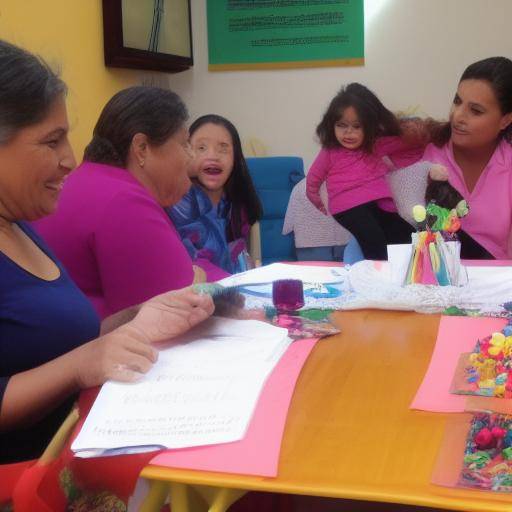
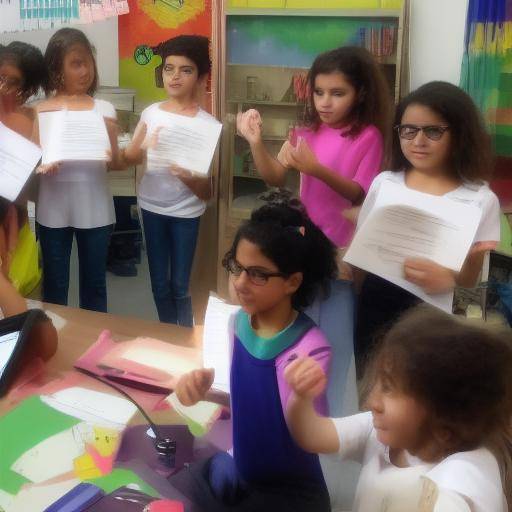
Practical Case: A recent study conducted in a primary school showed that the implementation of problem-solving projects, articulated with the subjects of the curriculum, generated a positive impact on the academic performance and motivation of students.
Comprehensive review
The project-based learning approach, when integrated with problem solving, offers a powerful form of training and skills development. The implementation of this approach in educational and professional environments has proved to be particularly effective in the preparation of individuals for the challenges of the twenty-first century.
Applications and Best Practices
- In the classroom: The creation of interdisciplinary projects that promote problem solving from different areas of knowledge is an effective way to promote critical thinking and collaboration among students.
- In the workplace: Companies are increasingly valued candidates who demonstrate strong skills in problem solving. Experience in projects that need to address specific challenges has become a significant difference in the labour market.
Opinions of Experts and Future Perspectives
Experts highlight that integrating problem solving into project-based learning aligns with the current demands of society and the world of work. This approach prepares students to face ambiguous and challenging situations, developing adaptability and perseverance skills.
Future Projections and Trends
The future of project-based learning integrated with problem resolution points to greater customization and adaptability, using technology to create more dynamic and immersive learning experiences. It is hoped that its implementation will continue to expand in the educational field and that its connection with the social and working reality of students will be strengthened.
Comparative analysis
Within the educational sphere, it is important to compare how the integration of problem solving in the framework of project-based learning has a significant impact on the integral development of students. Both approaches are effectively complemented, giving students the ability to apply their knowledge in specific contexts.
Similarities and Variances
- Similarities: Both problem solving and project-based learning seek to promote the practical application of knowledge, promote student autonomy and develop critical thinking skills.
- Variances: Problem-solving focuses on identifying and solving specific problems, while project-based learning encompasses the realization of a comprehensive project, allowing students to integrate and apply multiple skills in a wider context.
Illustrative Scenario: A project that involves the creation of an innovative solution for a specific environmental problem not only promotes problem solving, but also integrates interdisciplinary aspects, such as scientific research, engineering design and sustainable thinking.
Practical Tips and Accessible Recommendations
Effective integration of problem solving in project-based learning requires careful planning and implementation. Some key strategies include identifying relevant challenges, creating support structures, effective feedback and evaluating results.
Practical Tips
- Identify significant problems: Promote the identification of real challenges that motivate and involve students in the resolution process.
- Establish support structures: Provide tools and resources that guide students in developing effective solutions.
- Facilitate feedback: Implement mechanisms for students to receive constructive feedback, fostering continuous improvement in their troubleshooting skills.
Conclusions
The integration of problem solving in project-based learning represents a powerful tool for training key skills in students. By promoting the practical application of knowledge and the development of critical thinking skills, this educational approach lays the foundation for meaningful and lasting learning.
With the constant emphasis on the importance of developing relevant skills for the current world, integrating problem solving into project-based learning emerges as a crucial strategy in the formation of students prepared to face the challenges of the future.
FAQs
1. Why is it important to integrate problem solving into project-based learning?
- The integration of problem solving enhances the development of practical skills and critical thinking in students, preparing them to face real-world challenges.
2. What kind of projects can problem solving be integrated?
- Problem solving can be integrated into a wide variety of projects, from scientific challenges to social or business problems, allowing students to apply their knowledge in relevant contexts.
3. How is the effectiveness of integrating problem solving into project-based learning assessed?
- Effectiveness can be assessed by observing the ability of students to identify, analyse and address problems effectively, as well as their level of commitment and autonomy in the process.
4. What are the greatest challenges in integrating problem solving into project-based learning?
- One of the main challenges is to ensure an authentic assessment that reflects the effective implementation of problem-solving skills. In addition, alignment with educational curricula and training are important considerations.
5. Is the integration of problem solving into relevant project-based learning at all levels of education?
- Yes, the integration of problem solving is relevant at all levels of education, as it promotes fundamental skills for the integral development of students, regardless of their age.
6. What role do teachers play in effectively integrating problem solving into project-based learning?
- Teachers play a crucial role in the design of projects that encourage problem solving, in the orientation of students towards significant challenges and in effective feedback to promote growth.
I hope this article has helped to broaden your understanding of integrating problem solving into project-based learning. This approach not only enhances the development of practical skills in students, but also fosters a creative and resolutive mentality that is invaluable in all aspects of life.
Remember, the combination of problem solving and project-based learning is a powerful ally for the formation of individuals capable of facing the future with confidence and determination.