Introduction
Early childhood education is essential for the comprehensive development of children, and the ability to solve problems is an essential skill in life. In this article, we will explore the substantial benefits that problem solving brings to early education. We will discover how this ability impacts positively on the cognitive, emotional and social development of children, preparing them to face challenges effectively throughout their lives.
What are the benefits of solving problems in early education?
Enhanced cognitive development
Problem solving fosters the capacity of analysis, synthesis and critical thinking in children from an early age. Faced with challenges, young people exercise their ability to find solutions, which stimulates the development of new neural connections and improves the executive function of their brain.
In addition, in solving problems, children put into practice mathematical skills and logical reasoning, thus strengthening their ability to address abstract concepts in a structured manner.
Building resilience and self-confidence
The resolution of problems in early education instills in children the ability to face setbacks constructively. In facing challenges and overcoming obstacles, they build a solid foundation for building resilience and self-confidence. This provides them with the necessary emotional tools to deal with adverse situations in the future in a positive way.
Strengthened social and emotional skills
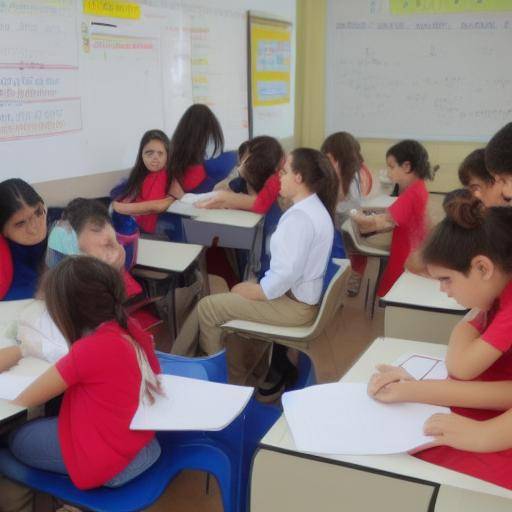
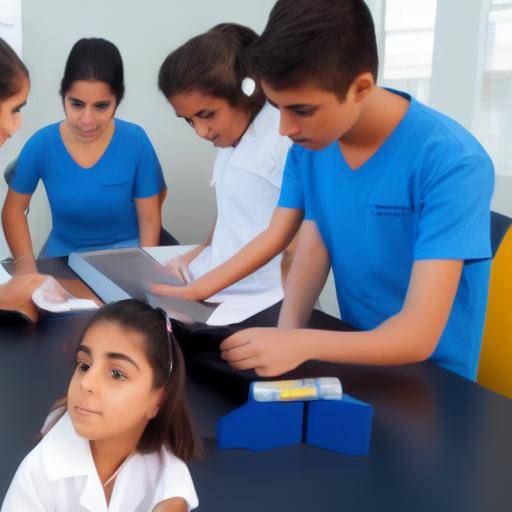
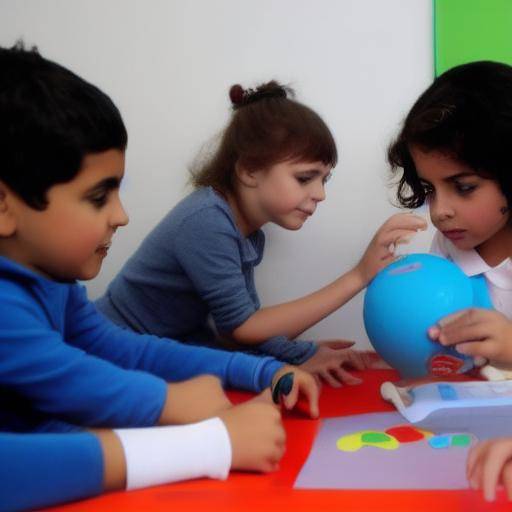
When children work on problem solving in a collaborative manner, they learn to communicate effectively, listen to and respect the ideas of others. In turn, they acquire skills to manage conflicts and negotiate solutions peacefully, thus fostering healthy interpersonal relationships from an early age.
Addressing problems in early education: effective strategies
Implementation of troubleshooting methods
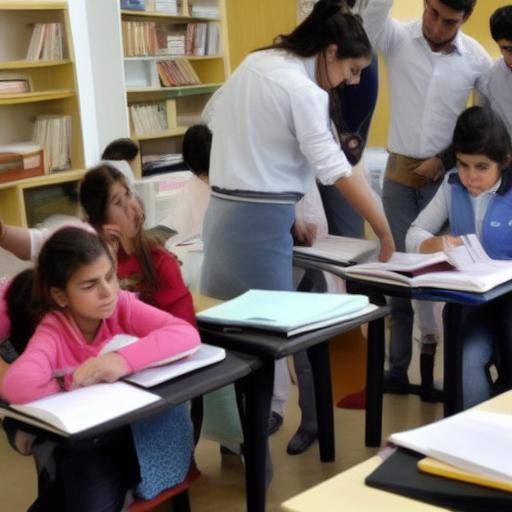
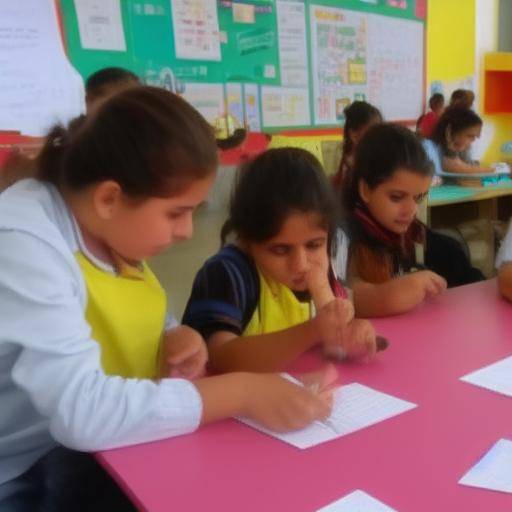
Educators play a key role in teaching effective strategies for solving problems in early education. Using games, puzzles and activities that require decision-making allows children to experience troubleshooting in a fun and stimulating way.
Integration in the educational curriculum
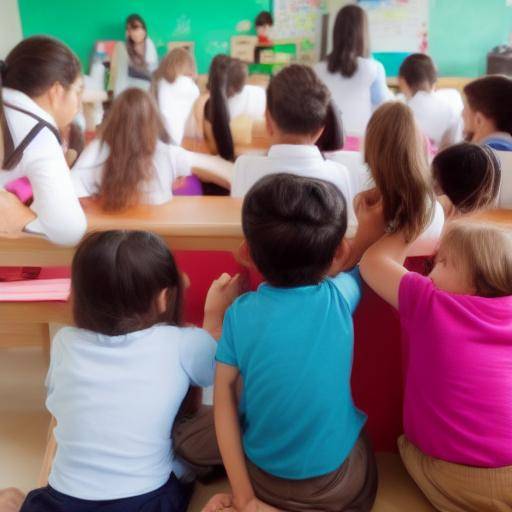
By integrating problem solving into the educational curriculum, holistic and meaningful learning is promoted. Children acquire skills to deal with everyday situations, thus relating to the world around them more effectively.
Conclusion
In short, solving problems in early education brings significant benefits to the integral development of children, enhancing their cognitive, emotional and social development. Educators, parents and society as a whole play a crucial role in fostering this important skill, preparing future generations to successfully face the challenges they face in their lives.