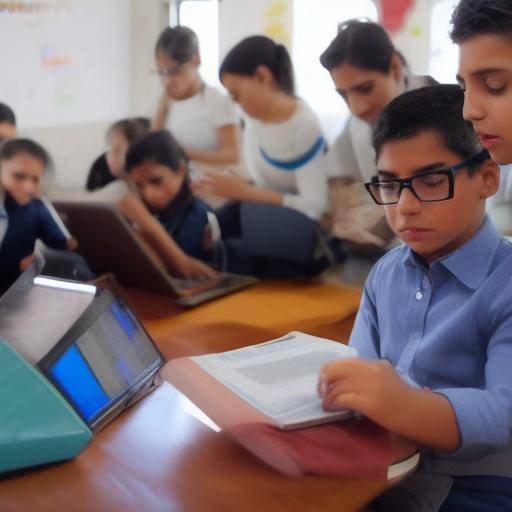
Welcome to the fascinating world of creative education and the significant impact that problem solving has had on this field. Trouble solving is a crucial ability to face the challenges of the ever-changing world in which we live. In this article, we will explore how problem solving influences creative education, its evolution over time, its impact on society and the importance of this approach to the development of essential skills in students.
History and Background
Problem solving has been crucial in the development of creative education throughout history. From the teachings of ancient civilizations to modern conceptions of education, the emphasis on problem solving has been constant. In the twentieth century, pedagogues such as John Dewey and Maria Montessori promoted educational methods that incorporated problem solving as the central axis of the learning process. As technology and globalization transformed society, problem solving became a fundamental pillar of preparing students for an unpredictable future.
Creative education has evolved to integrate problem solving as a vital tool to foster creativity, critical thinking and innovation. This merger has led to innovative pedagogical approaches that challenge students to face complex problems and find original solutions.
Analysis in Deep
The inclusion of problem solving within the framework of creative education offers many benefits. Students develop skills to face challenges effectively, promoting autonomy and confidence in their abilities. Challenges and frustration become opportunities for growth and innovation, fostering a mentality of perseverance and determination in students.
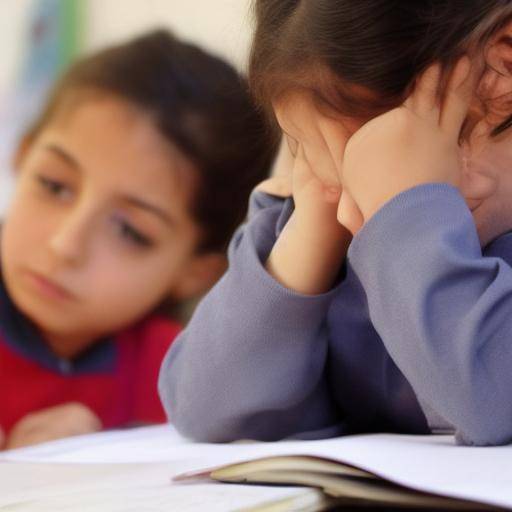
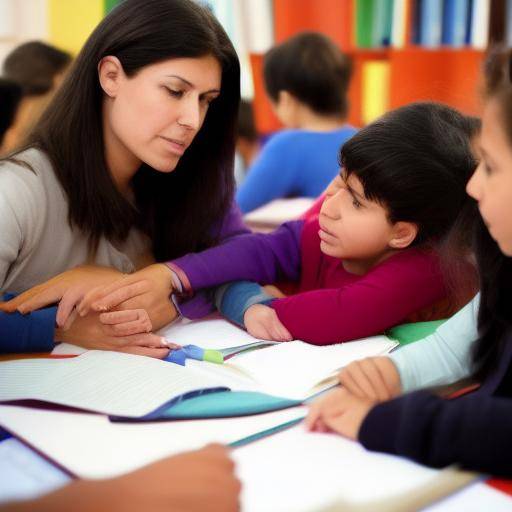
However, it is not without challenges. Some students may be overwhelmed by the complexity of the problems, and it is the task of the educator to provide the necessary support for each student to overcome these difficulties.
Comprehensive review
The integration of problem solving in creative education extends to various disciplines, from science and mathematics to arts and the resolution of creative problems. Interdisciplinary approaches allow students to apply their problem solving skills in different contexts, fostering knowledge transfer and skills.
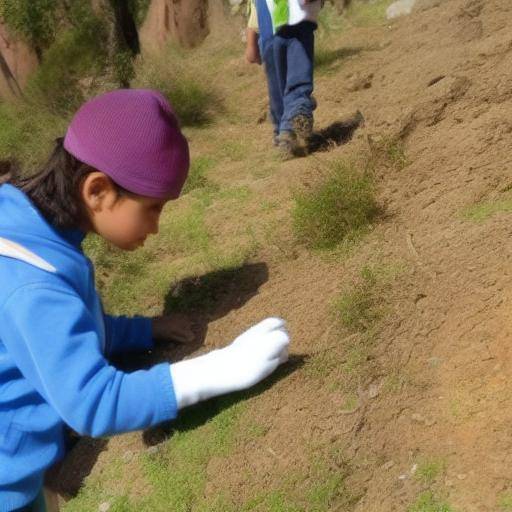
Through concrete examples, the positive impact of problem solving in the educational context can be demonstrated: from the creative solution of problems in the classroom to the resolution of real challenges in the community. In this sense, creative education moves away from the mere accumulation of knowledge to prioritize the development of practical and transferable skills that will prepare students to face a constantly changing world.
Practical Tips and Accessible Orientation
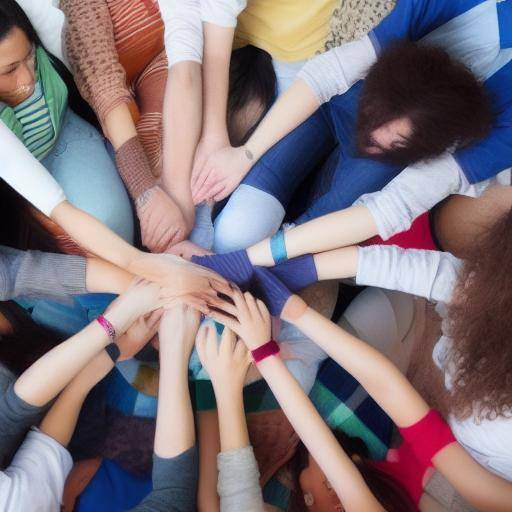
For educators who wish to incorporate problem solving into creative education, it is essential to provide learning environments that encourage experimentation, collaboration and critical thinking. Some effective strategies include the use of transdisciplinary projects, the implementation of creative challenges and the promotion of metacognitive reflection in the problem solving process.
Industry Perspectives and Expert Reviews
According to experts in pedagogy and education, solving problems in creative education is not only relevant in the educational context, but it is a crucial skill that students will carry with them throughout their lives. The ability to face challenges, adapt to new circumstances and manage uncertainty is an essential competition in the current and future working world.
Examples and Real Life Applications
The benefits of solving problems in creative education are manifested in examples of practical application in the real world. In the light of these applications, it is clear that problem solving is not only an academic skill, but it is also a fundamental component to develop empowered and creative citizens that can address the challenges of society.
Future Trends and Predictions
As the world continues to evolve, problem-solving skills and creative education will remain critical. The adoption of innovative and technological approaches, such as project-based learning and the integration of artificial intelligence into education, promises to transform the way students develop problem-solving skills.
Conclusions
In conclusion, the impact of problem solving on creative education is undeniable. This combination not only offers significant educational benefits, but also prepares students to be critical, responsive and creative thinkers in a world that demands these skills. As creative education continues to evolve, the integration of problem resolution will continue to play a vital role in the formation of individuals capable of facing the challenges of the twenty-first century.
Frequently asked questions
How does problem solving influence student creativity?
Problem solving fosters creativity by challenging students to find original solutions and thinking innovatively to overcome obstacles and find answers to complex questions. This approach stimulates creativity by encouraging exploration for multiple perspectives and possible solutions.
What are the main challenges in the implementation of problem solving in creative education?
One of the main challenges is to ensure that students develop skills to effectively address problems without being overwhelmed by complexity. The role of the educator is crucial to providing the necessary support and ensuring that students can effectively apply these skills.
How does troubleshooting integrate into creative education in non-formal environments, such as extracurricular learning spaces?
In non-formal environments, solving problems in creative education can be manifested through projects, creative challenges and activities that encourage experimentation and collaboration among participants. These initiatives promote the acquisition of practical skills and the development of critical and creative thinking.
What is the role of problem solving in the development of student socio-emotional skills?
Problem solving not only involves the development of cognitive skills, but also contributes to the strengthening of socio-emotional skills, such as perseverance, collaboration, stress management, and self-confidence. These skills are fundamental to the emotional well-being and integral development of students.
How is the progress of students assessed in solving problems in the context of creative education?
The assessment of the progress of students in problem solving may include the observation of their ability to identify, analyse and address problems, as well as the quality of the proposed solutions. In creative education, it is essential to use different methods of evaluation, such as rubrics, training evaluations and qualitative feedback.
What are the implications of solving problems in creative education for the preparation of students for the labour market?
The incorporation of problem solving in creative education prepares students to be competent in a working environment that values creativity, innovation and the ability to adapt to complex challenges. These skills are essential to success in various professions and labour sectors in the current and future world.
Conclusion
The impact of problem solving on creative education is fundamental for the integral development of students and their preparation for a changing future. The fusion of problem solving and creativity provides a solid basis for cultivating essential skills that will be fundamental in personal, academic and professional life. As education continues to evolve, the focus on solving problems in creative education will continue to play a crucial role in the formation of individuals capable of facing the challenges of the twenty-first century. If you want to continue exploring this exciting issue, we invite you to continue researching and discovering the infinite possibilities offered by the combination of problem solving and creative education.
With this article, we have explored the influence of problem solving on creative education, its impact throughout history, its benefits, challenges and practical applications, as well as future trends. In understanding these complex interconnections, we can truly appreciate the importance of promoting problem solving in the context of creative education.
Conclusion
As a conclusion, solving problems in creative education has a significant impact on the integral development of students. From its influence on the promotion of creativity to its role in preparing for the future labour market, this combination offers extraordinary benefits. The ability to face challenges, to think innovatively and to collaborate in finding solutions represents a vital skill in a constantly changing world. Therefore, the inclusion of problems in creative education is essential to cultivating competent and creative citizens.