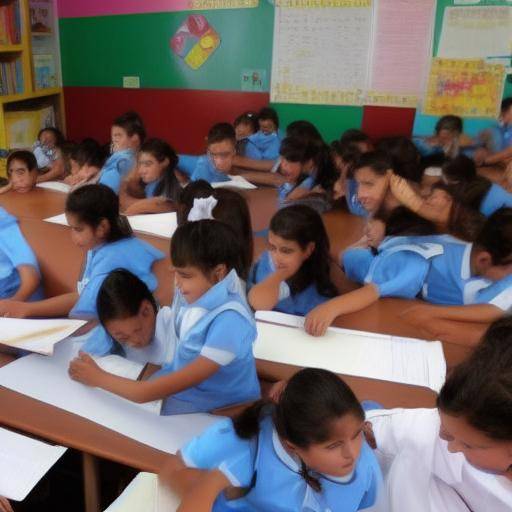
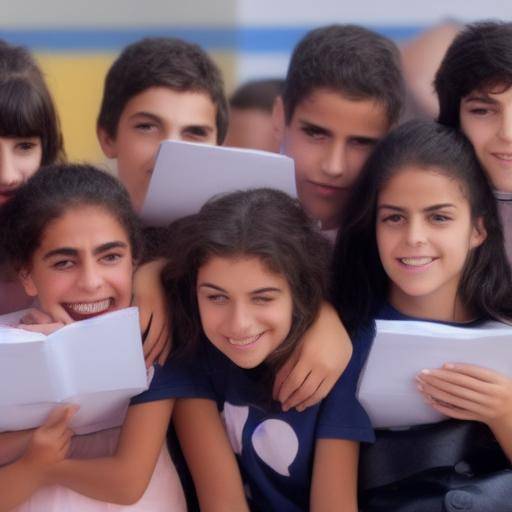
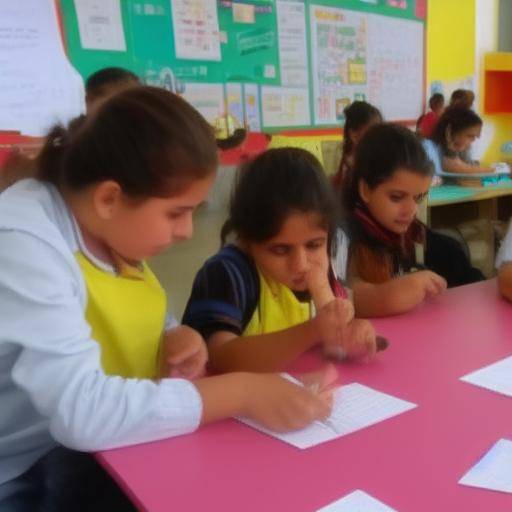
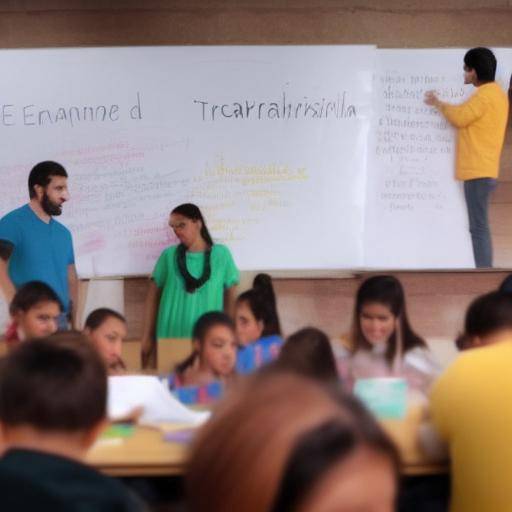
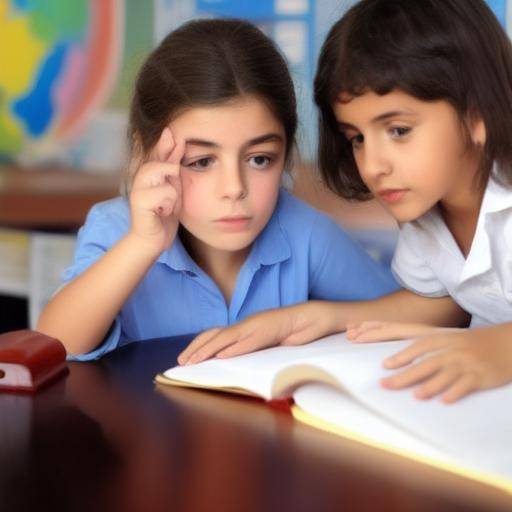
At present, the concept of inclusive education has gained unprecedented relevance, seeking to ensure that all students, regardless of their skills or circumstances, receive quality education. Within this context, problem solving plays a key role, as it promotes the development of cognitive, emotional and social skills in students, promoting equity and academic success. In this article, we will explore in detail the role of problem solving in inclusive education, its importance, benefits, challenges and its relevance in the contemporary educational context.
Introduction
Inclusive education is based on the principle that all students have the right to receive quality education, equity, participation and success for each individual being fundamental. In this regard, problem solving emerges as a crucial element in the educational process, as it allows students to face challenges, develop critical thinking skills, collaboration and perseverance, while fostering equal opportunities.
In this article, we will address the role of problem solving in inclusive education from multiple perspectives, exploring its historical importance, deep analysis, practical applications, comparison with other educational approaches and future perspectives, providing the reader with a comprehensive and profound understanding of its relevance in the current context of education.
History and Background
Problem solving has been a central aspect of education since ancient times. Its importance lies in its ability to develop complex cognitive skills, promote student autonomy and foster critical thinking. Throughout history, multiple approaches and methodologies have been shown to teach and promote problem solving, each with their own significant contributions to the field of inclusive education.
From ancient Greece to contemporary pedagogical theories, problem-solving has been a central axis in the formation of individuals capable of facing challenges, raising innovative solutions and contributing to the development of society. Significant milestones in the development of problem solving as an educational component consolidate their importance in the context of inclusive education.
Historical Development of Problem Resolution
- Antiquity: From Archimedes to Euclides, classical mathematics and Greek philosophy laid the basis for solving problems as an educational component.
- Renaissance and Enlightenment: The development of the scientific method and rationality promoted the resolution of problems as a fundamental competition for critical thinking.
- Century XX: The emergence of pedagogical approaches focused on solving problems as a method of teaching and learning, with the influence of thinkers such as John Dewey and Lev Vygotsky.
Cases of Historical Study
- The role of problem solving in the scientific revolution.
- The influence of problem solving on the development of critical thinking in education.
- The impact of problem solving on life skills training.
Deep analysis
The resolution of problems in inclusive education implies a number of significant benefits, but it also presents important challenges that need to be addressed to ensure their effectiveness and equity in their implementation. It is essential to understand in depth the elements that influence the development and implementation of problem solving in an inclusive environment, considering their implications from an interdisciplinary and holistic perspective.
Benefits of Problem Resolution in Inclusive Education
- Developing critical thinking skills.
- Promoting autonomy and decision-making.
- Promoting collaboration and teamwork.
- Inclusion of all students, regardless of their skills or capabilities.
Challenges in the Implementation of Problems Resolution in Inclusive Education
- Personalization of strategies to meet the individual needs of students.
- Education and adequate resources to ensure the effectiveness of problem solving.
- Ensure equity in access and participation of all students in problem-solving activities.
Current Trends in Problem Resolution
- Using technology as a tool for troubleshooting in an inclusive environment.
- Interdisciplinary approaches to addressing complex problems in the classroom.
- Implementation of alternative assessment strategies that value problem resolution capacity on an equitable basis.
Prácticos and Case Studies Examples
- Integration of problem solving in the curriculum: A case of success in a primary school.
- Impact of problem solving strategies on improving academic performance and participation of students with functional diversity.
Comprehensive review
The resolution of problems in the context of inclusive education is critical to ensuring equal opportunities and the comprehensive development of all students. In this regard, it is important to examine in detail the practical, comparative and future applications of problem-solving in the context of inclusive education, in order to fully understand its transformative influence in the educational field.
Best Practices and Applications
- Effective strategies to integrate problem solving into the classroom.
- Resources and tools for troubleshooting skills development in students with functional diversity.
- Family-school collaboration in promoting problem resolution in an inclusive environment.
Opinions of Experts and Industry
The perspectives of experts and educational leaders regarding problem solving in inclusive education are fundamental to understanding their impact and relevance in the current context. The voices authorized in the educational field provide a profound insight into the challenges and opportunities that problem solving presents in an inclusive environment.
Future forecasts and trends
- The integration of problem solving in the curriculum design of inclusive education: Perspectives and projections.
- Challenges and opportunities in the development of inclusive resources and strategies for the teaching of problem solving.
Comparative analysis
The comparison between the role of problem solving, inclusive education and other educational approaches is essential to understanding their uniqueness, similarities and possible synergies. This comparative analysis provides an integrated vision of how problem resolution aligns with inclusive education in relation to other pedagogical approaches, enabling the identification of differentiating elements and mutually reinforcing aspects.
Similarities and Variances
- Comparative between inclusive education and traditional education in the development of problem-solving skills.
- Role of problem solving in the context of inclusive education and special education: Differential and complementary aspects.
Examples and Scenarios of Application
- Successful cases of problem solving in inclusive contexts against traditional educational approaches.
- Similarities and differences in the implementation of problem-solving strategies in inclusive and non-inclusive contexts.
Practical Tips and Recommendations
In order to effectively integrate problem solving into inclusive education, it is essential to have practical inputs and specific recommendations that guide educators, managers, families and other actors involved in the educational process. These practical recommendations address teaching strategies to the role of the community in fostering an inclusive environment that promotes problem solving as a learning tool.
Recommendations for Effective Integration
- Strategies to adapt problem solving tasks to the individual needs of students.
- The teacher's role as facilitator and promoter of problem solving in an inclusive environment.
- Strategies to promote the collaboration and equal participation of all students in problem-solving activities.
- Technological resources and tools to support the teaching and development of problem solving skills in inclusive contexts.
Industry Perspectives and Expert Reviews
The views and opinions of experts and leaders in the educational field provide an enriching understanding of current trends and challenges in solving problems in inclusive education. The feedback of educational industry professionals provides valuable insights on best practices, challenges in implementation and recommendations for the future of problem solving in an inclusive context.
Current Impact and Trends
- Current implications of solving problems in inclusive education according to educational experts.
- Emerging trends in problem solving skills training in students with functional diversity.
Interviews and Deep Reflections
- Leaders' reflections on inclusive education on the transformative role of problem solving in the educational process.
- Expert experiences and learning in the implementation of problem-solving strategies in inclusive environments.
Case Studies and Practical Applications
Case studies and practical applications of problem solving in inclusive environments provide concrete examples and tangible results on their impact on students' academic, emotional and social training. These cases illustrate the effectiveness of problem solving and its relevance in promoting equal opportunities and the comprehensive development of all students.
Impact and Medible Results
- Academic and emotional outcomes of the implementation of problem-solving strategies in an inclusive environment.
- Successful experiences in the implementation of problem-solving to promote autonomy and inclusion in the classroom.
Lessons Learned
- Key lessons learned from case studies on the implementation of problem solving in inclusive areas.
- Evidence-based recommendations on best problem solving practices in inclusive education.
Future Trends and Predictions
The future of inclusive education and problem solving poses challenges and opportunities that require a prospective vision based on the analysis of current trends and the aspirations of leaders in the educational field. The exploration of trends and predictions is based on academic, technological and social development, providing a holistic view of the innovative potential of problem solving in an inclusive environment.
Evolution and Future Outlook
- Predictions on the transformative role of problem solving in inclusive education.
- Emerging trends in integrating problem solving as a key part of the inclusive curriculum.
Challenges and Opportunities
- Challenges and opportunities in promoting problem solving as an inclusive and equitable learning tool.
- Technological and methodological innovations that will shape the future of problem solving in inclusive education.
Conclusions and FAQs
Conclusions
Problem solving plays a key role in inclusive education by fostering cognitive, emotional and social skills in all students, contributing to equity and academic success. Its historical importance, benefits, challenges, practical applications, comparisons with other educational approaches and future trends make problem solving an innovative pillar in the formation of individuals capable of facing challenges and contributing to the development of society.
Frequently asked questions
1. What is the role of problem solving in inclusive education?
The role of problem solving in inclusive education is to promote the development of cognitive, emotional and social skills in all students, promoting equity and academic success.
2. What are the benefits of problem solving in inclusive education?
Benefits include the development of critical thinking skills, the promotion of autonomy, the promotion of collaboration and the inclusion of all students, regardless of their skills or capabilities.
3. What are the challenges in implementing problems in inclusive education?
Challenges involve customizing strategies to meet individual needs, teacher training, ensuring equity in access and participation of all students, among other things.
4. What are the current trends in problem solving in inclusive education?
Current trends include the use of technology as a tool, interdisciplinary approaches, and alternative assessment strategies that value problem resolution capacity on an equitable basis.
5. What are the best practices to integrate problem solving into inclusive education?
Best practices include effective strategies to integrate problem solving into the inclusive classroom, resources and tools for skills development, and family-school collaboration in the promotion of problem solving.
6. What are future trends and predictions related to problem solving in inclusive education?
Future trends and predictions focus on integrating problem-solving into curriculum design, challenges and opportunities in the development of inclusive resources and strategies, as well as on technological and methodological innovations that will shape the future of problem-solving in inclusive education.
In short, problem solving plays a vital role in inclusive education, promoting essential skills and educational equity. Their detailed understanding and effective application can enhance the learning of all students, enriching the educational environment significantly.