Introduction
Emotional education is a crucial aspect of the integral development of individuals, and problem solving plays a key role in this process. In this article, we will thoroughly explore the benefits of problem solving in the context of emotional education. From its historical origin to its practical application in everyday life, we will analyze in detail this relevant topic and its significant impact on the emotional development of people. Let's get into this journey to understand how troubleshooting can be a powerful tool in promoting emotional intelligence.
History and Background
The integration of problem solving in emotional education has deep roots that go back to various pedagogical currents throughout history. From traditional approaches focused on the acquisition of knowledge to more contemporary approaches that promote the development of emotional skills, the evolution of education has witnessed the growing importance of problem solving.
In the twentieth century, psychologists and educators began to recognize the influence of emotions in the learning process. This paradigm shift led to the development of educational approaches that incorporated emotional management as a fundamental component. The integration of problem solving in emotional education not only promotes critical thinking, but also strengthens the ability of individuals to face and overcome challenges at an emotional level.
Analysis in Deep
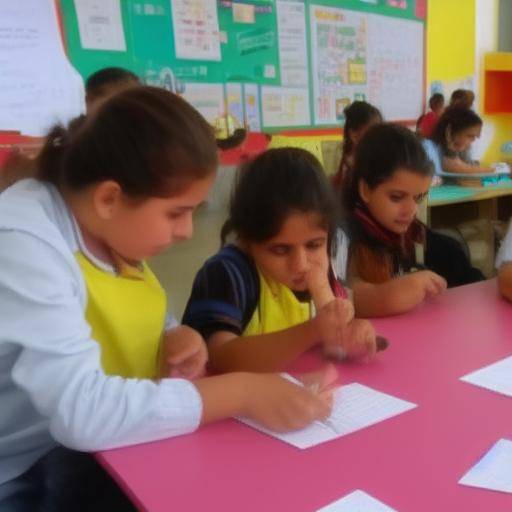
Problem solving in the context of emotional education entails a number of significant benefits. Studies have shown that this practice promotes the development of coping skills, promotes self-confidence and improves effective decision-making based on rational analysis and emotional management. In an educational environment that encompasses problem solving, students are encouraged to face obstacles and learn to manage their emotional reactions in challenging situations.
Problem solving in emotional education also plays a crucial role in the prevention and management of stress. By empowering individuals to deal with problems proactively, anxiety levels are reduced and greater emotional stability is promoted. This approach not only benefits personal development, but also has a positive impact on academic and professional performance, as well as on interpersonal relationships.
Comprehensive review
The practical application of problem solving in emotional education encompasses a wide range of contexts, from formal educational environments to individual development in daily life. Educational programs that integrate problem solving as an essential competition report significant improvements in the emotional well-being of students, as well as their ability to face challenges constructively.
Research results in this field support the importance of prioritizing emotional education and problem solving. These skills not only translate into higher academic performance, but are also fundamental to the development of emotionally resilient individuals who are prepared to face the challenges of life with confidence and determination.
Conclusion " FAQs
Conclusion
Problem solving in the context of emotional education is a vital component that promotes the integral development of individuals. By cultivating skills to face challenges constructively and effectively managing emotions, they feel the basis for an emotionally enriching and successful life. This combination of cognitive and emotional abilities offers benefits that transcend the educational environment, positively impacting personal well-being and growth throughout life.
FAQs
How does troubleshooting influence student emotional management?
The resolution of emotional education-oriented problems gives students the opportunity to face challenges in a controlled manner, enabling them to learn how to regulate their emotions and adopt a proactive approach to dealing with difficult situations.
What is the role of problem solving in the formation of coping skills?
Troubleshooting strengthens coping skills by teaching individuals to analyze problems, identify effective solutions and manage their emotions constructively during the process.
To what extent does troubleshooting in emotional education contribute to academic and professional success?
The ability to solve problems effectively and manage emotions is closely related to academic performance and professional success. Students who develop these skills have a significant advantage in overcoming challenges in both education and work.
What is the long-term impact of emotional education that includes problem solving?
Emotional education that incorporates problem solving lays the foundation for the development of emotionally resilient individuals, capable of facing the challenges of life with confidence and determination, which positively impacts their well-being throughout their lives.
What strategies can be implemented to integrate problem solving into emotional education?
Effective integration of problem solving in emotional education requires the adoption of pedagogical approaches that foster reflection, critical analysis and emotional management, as well as the creation of enabling environments for the active practice of these skills.
What are the additional benefits of incorporating problem solving into emotional education?
In addition to strengthening coping and emotional management skills, integrating problem solving into emotional education promotes the development of critical thinking, informed decision-making and emotional resilience.
In short, solving problems in emotional education offers a number of significant benefits that profoundly impact the personal and emotional development of individuals. From the strengthening of coping skills to the effective management of emotions, the integration of problem solving in educational environments enhances the integral growth of people, preparing them to face the challenges of life with confidence and determination. This holistic approach to emotional education lays the foundation for a future in which emotional intelligence and resilience are fundamental components of a balanced and successful society.