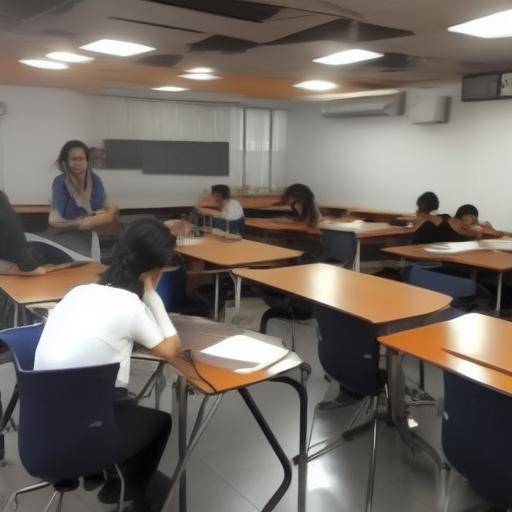
At present, problem solving is an essential skill in the educational field. With the arrival of digital education, fostering this skill becomes even more crucial. In this article, we will explore the importance of promoting problem solving in digital education, its benefits, challenges, and how it can be applied in different contexts. We will also discuss current trends, offer practical advice and provide valuable information from experts. Get ready to get into the exciting world of problem solving in digital education.
Introduction
Digital education has revolutionized the way students acquire knowledge. With unlimited access to online resources, problem solving becomes a crucial element for academic and professional success. In this regard, fostering problem solving becomes a priority in the design of digital educational programmes.
History and Background
Origins and Evolution of Digital Education
The concept of digital education has its roots in the introduction of computer technologies in classrooms during the 1980s and 1990s. Initially, it was limited to the use of computers for basic teaching tasks. However, with the advent of the Internet and online learning platforms, digital education has experienced significant developments, allowing global access to information and facilitating new forms of teaching and learning.
The Importance of the Resolution of Problems Long Time
The ability to solve problems has been fundamental in the evolution of human thought. From antiquity to the digital era, troubleshooting has been an engine of progress in various fields. In the educational context, this ability not only helps students address academic challenges, but also prepares them to face real-world problems effectively.
Deep analysis
Benefits of Promoting Problem Resolution in Digital Education
Promoting problem solving in digital education has many benefits. It allows students to develop critical skills such as analytical thinking, creativity and ability to work autonomously and collaboratively. In addition, the digital environment offers tools that can simulate real-life situations, providing students with practical opportunities to apply their knowledge.
Specific benefits include:
- Development of Critical Skills: Problem solving fosters critical thinking and the ability to analyze complex situations.
- Preparation for the Future: Equip students with relevant skills for the work and personal world.
- Fostering Creativity: Allow students to explore multiple solutions and approaches.
- Improved Autonomy and Collaboration: Students learn to work independently and on a team, strengthening their social and communication skills.
Challenges and Challenges
While promoting problem solving in digital education offers significant advantages, it also faces unique challenges. Some of these challenges include lack of equitable access to technological resources, resistance to change by some educators and the need to develop technological skills among teachers.
Specific challenges include:
- Brecha Digital: Unparalleled access to devices and Internet connection.
- Training of Educators: Continuous training needs for teachers to effectively use digital tools.
- Content adaptation: Difficulty designing digital content that encourages troubleshooting.
- Time Management: Find the right balance between the use of technology and other teaching methods.
Comprehensive review
Applications and Best Practices
In digital education, there are various ways to promote problem solving. Some of the best practices include the use of interactive learning platforms, the implementation of online collaborative projects and the incorporation of simulations and educational games that challenge students to apply their knowledge in practical contexts.
Best practices include:
- Online collaborative projects: Facilitate collaboration among students through digital platforms.
- Simulations and Educational Games: Use realistic simulations and interactive games to teach complex concepts.
- Training evaluation: Implement continuous evaluations to monitor student progress and adjust teaching as needed.
- Project-based learning: Promoting practical application of knowledge through integrated projects.
Current Perspectives of Experts and Trends
Experts on digital education have provided valuable insights on problem solving. According to Dr. John Smith, an educational technology expert, "In the current digital scenario, it is essential to build the ability to solve problems critically and creatively. Digital tools offer a unique platform to develop these skills in an interactive and attractive way. "
Current trends include the growing use of artificial intelligence to customize learning, the gamification of educational content and the approach to 21st century skills, such as critical thinking and collaboration.
Comparative analysis
Trouble solving, fostering this skill and digital education share similarities and differences. While traditional methodologies focus on direct instruction and memorization, digital education promotes a more interactive and practical approach. Digital tools allow greater customization and adaptability in learning, which can be more effective in teaching troubleshooting skills.
Comparison of Approaches
- Traditional Methodologies vs. Digital: Traditional teaching is based on regular instruction and evaluation, while digital education allows continuous evaluation and immediate feedback.
- Customization of Learning: Digital tools can adapt to the individual needs of students, something more difficult to achieve with traditional methods.
- Interactivity: Digital platforms facilitate the interaction and active participation of students, fostering a deeper understanding of concepts.
Practical Tips and Accessible Recommendations
Effective Strategies to Promote Problem Resolution
- Promoting collaboration: Promote collaboration between students through online projects and discussion forums.
- Using Interactive Tools: The integration of interactive tools such as simulations, educational games and modeling software can improve the ability to solve problems in digital environments.
- Incorporate Continuous Evaluation: Implement ongoing training and feedback assessments to help students improve their troubleshooting skills.
- Promote Critical Thinking: Design activities that require deep analysis and evaluation of different solutions.
- Facilitate Access to Resources: Ensure that all students have access to the tools and resources necessary to participate fully in digital activities.
Industrial Perspectives and Expert Reviews
Predictions for the Future of Digital Education
According to Dr. Eva Gutierrez, expert in digital education, "Digital education will continue to play an important role in preparing students to face the challenges of the modern world. Problem solving will be a key competition, driven by emerging technologies such as artificial intelligence and increased reality. "
Digital education is expected to continue to evolve with the development of new technologies that further facilitate personalized learning and global collaboration.
Case Studies and Real Life Applications
Examples Successful Enhancing the Resolution of Problems in Digital Education
- Khan Academy: Use artificial intelligence to customize lessons and provide interactive exercises that encourage troubleshooting.
- Minecraft Education Edition: This educational game allows students to collaborate in building virtual worlds, developing problem planning and resolution skills.
- Code.org: It offers interactive programming courses that teach students to solve problems by designing and creating software programs.
Future Trends and Predictions
Next Steps in Promoting the Resolution of Problems in Digital Education
As technology advances, digital education is expected to continue to be transformed. The promotion of problem resolution will therefore also evolve. It is anticipated that emerging technologies such as virtual reality, artificial intelligence and automatic learning will play a crucial role in creating more immersive and personalized learning environments.
Conclusions and FAQ
Conclusions
In short, promoting problem solving in digital education is crucial to preparing students for the challenges of the twenty-first century. As a transferable ability, solving problems in digital environments not only benefits the academic realm, but also has implications for the professional future of individuals.
Frequently asked questions (FAQs)
1. Why is it important to encourage problems in digital education?
Problem solving is essential in digital education, as it promotes critical thinking, creativity and adaptive capacity to changing environments. In addition, it prepares students to face real world challenges.
2. How can problem solving be encouraged in digital environments?
Promoting problem solving in digital education can be achieved through the use of interactive tools
, fostering collaboration between students and designing challenging tasks that require the application of knowledge in real contexts.
3. What are the main barriers to the resolution of problems in digital education?
Some barriers include lack of equitable access to digital resources, resistance to change by some educators and the need to develop technological skills among teachers.
4. What are the key skills associated with solving problems in digital education?
Key skills include critical thinking, analysis capacity, resilience to challenges, creativity in finding solutions and competition in using digital tools.
5. What role do educators play in promoting problem solving in digital environments?
Educators play a key role in creating learning environments that encourage troubleshooting, provide effective feedback and motivate students to face challenges.
6. What is the long-term impact of promoting problem solving in digital education?
Promoting problem solving in digital education has a positive long-term impact, as it prepares students to be critical thinkers, problem solvers and active contributors in the digital society constantly changing.
With this information, we hope to have provided a comprehensive view on the importance of promoting the resolution of problems in digital education. By implementing effective strategies and taking advantage of the opportunities offered by the digital environment, we can prepare future generations to succeed in a constantly evolving world.