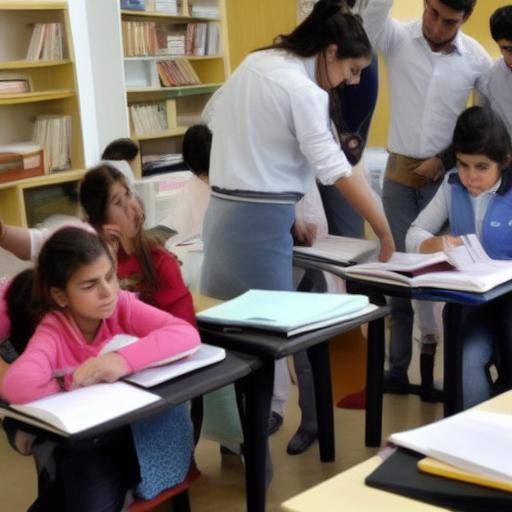
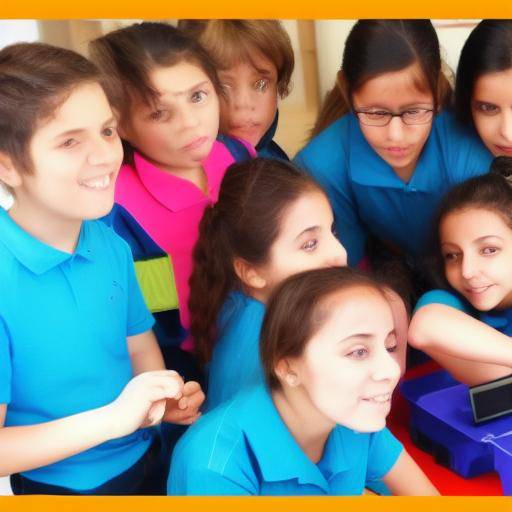
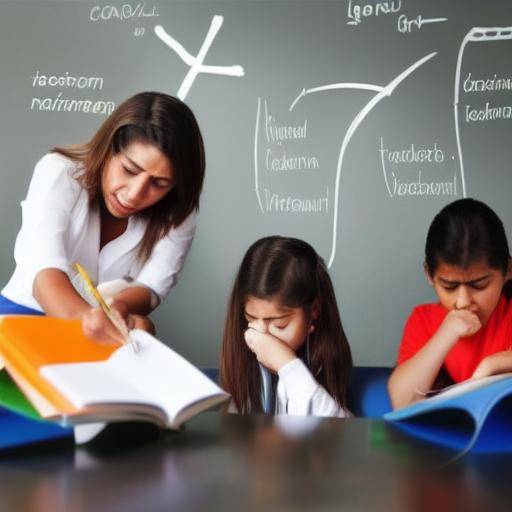
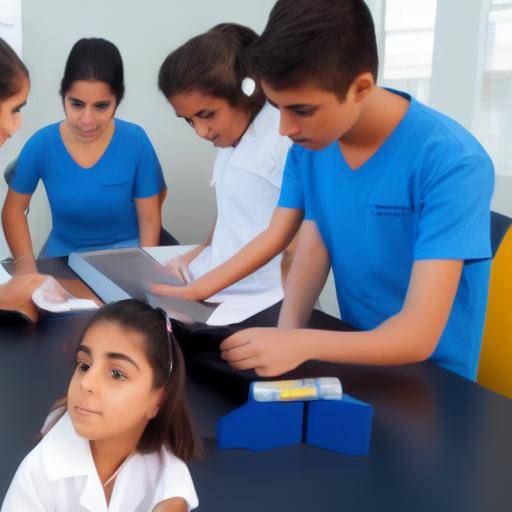
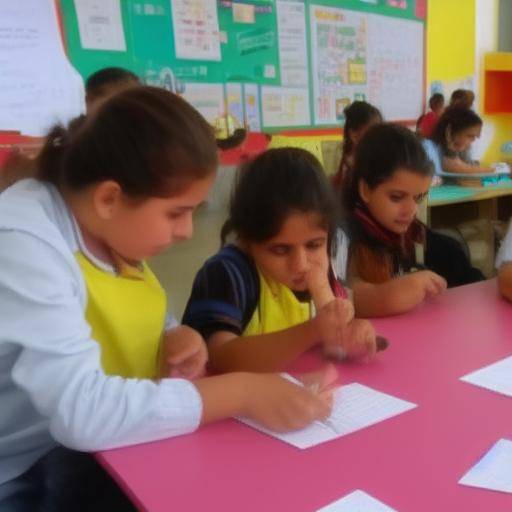
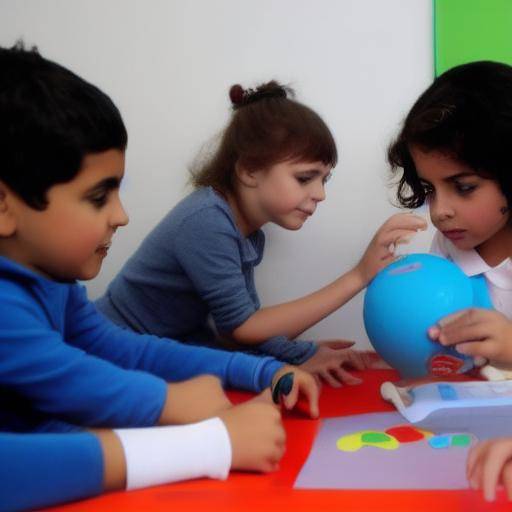
Collaborative learning is an educational methodology that promotes the active participation of students, promoting collaboration, communication and exchange of ideas. Within this dynamic, problem solving occupies a central place, since it not only develops cognitive and social skills, but also offers a number of significant benefits for the learning process. In this article, we will explore in depth the benefits of solving problems in collaborative learning, analyzing its impact on the academic and personal development of students.
Introduction
Collaborative learning has been consolidated as an effective pedagogical strategy, which fosters the collective construction of knowledge and the acquisition of soft skills fundamental to the future of students. In this context, problem solving emerges as a key tool, promoting critical thinking, decision-making and teamwork. Throughout this article, we will explore in detail the benefits inherent in this combination, offering a thorough analysis backed by empirical evidence and field experts.
History and Background
The connection between problem solving and collaborative learning has deep roots in the history of education. From Dewey's first pedagogical theories to contemporary approaches based on Vygotsky's sociocultural theory, problem solving has been recognized as a fundamental engine of meaningful learning. Throughout this section, we will analyze the evolution of these ideas, highlighting important milestones and their impact on modern education.
Detailed Analysis
Troubleshooting in the framework of collaborative learning offers a number of tangible benefits for students. In this regard, not only strengthens its capacity to address academic challenges, but also promotes the development of key socio-emotional skills. Through statistical data, study cases and concrete examples, we will examine in depth the cognitive and emotional benefits arising from this integration, providing a broad and informed vision.
Comprehensive review
In addition to its impact at the individual level, problem solving in the context of collaborative learning has significant implications in a wider sense. In exploring specific applications, case studies and best practices, it will be possible to identify effective strategies and highlight the added value that this methodology brings to the educational process. Through a complete and detailed analysis, we will evaluate the pros and cons of this integration, providing valuable information for educators and students alike.
Comparative analysis
Compare and contrast the benefits of solving problems in collaborative learning with other educational methodologies will provide a deeper understanding of their impact and relevance. By establishing parallels with traditional or alternative approaches, the uniqueness and effectiveness of this combination can be better appreciated. Through concrete examples and illustrative scenarios, key differences will be highlighted, offering an enriching and enlightening perspective.
Practical Tips and Accessible Tips
Providing practical guidance and actionable advice will allow readers to implement the concepts discussed in their educational context. In presenting specific recommendations, enriched with examples and detailed explanations, a strong framework will be provided for the effective implementation of problem solving in collaborative learning. By numbered lists and vineyards, clarity and accessibility will be provided, ensuring that the information is usable and easy to understand.
Ideas and Industry Reviews
Collecting and presenting ideas from industry experts will provide an informed perspective on the future of this integration. In analysing emerging trends and projections based on current data, a comprehensive view of the implications and opportunities offered by this methodology will be provided. Through interviews and relevant quotations, enriching perceptions, rooted in experience and expertise will be provided.
Case Studies and Applications in Real Life
Examine detailed study cases showing practical applications will provide a concrete and tangible context to understand the benefits of solving problems in collaborative learning. When analysing results and lessons learned from different situations, the relevance and direct impact of this methodology will be illustrated in educational and professional environments. Through varied and representative examples, a complete and applicable understanding of these concepts will be provided.
Future Trends and Predictions
Exploring emerging trends related to solving problems in collaborative learning will allow projecting their future evolution and potential challenges and opportunities. Based on current data and expert opinions, informed predictions on the development and continuing relevance of these concepts in the educational field will be presented. In discussing possible changes and advances, a long-term vision will be provided that will enrich the global understanding of these dynamics.
Conclusion
In short, solving problems in the context of collaborative learning offers a diverse range of benefits, from developing cognitive skills to promoting teamwork and conflict resolution. By consolidating these concepts, the importance of this combination is highlighted in the educational process, presenting an invaluable opportunity for students' personal and academic growth.
Frequently asked questions
What are the cognitive benefits of solving problems in collaborative learning?
Problem solving in collaborative learning strengthens the ability of students to analyze complex situations, develop solution strategies and effectively apply knowledge.
How does problem solving affect the development of social skills in collaborative learning?
In facing challenges together, students improve their communication skills, teamwork and collaboration, fostering an enabling environment for the development of interpersonal skills.
What role does problem solving play in the emotional resilience of students within collaborative learning?
Troubleshooting not only promotes emotional resilience by facing challenges, but also strengthens the self-confidence and ability of students to face adverse situations.
How can problem solving be encouraged in the context of collaborative learning in virtual or remote environments?
The implementation of collaborative tools and platforms, the design of interactive activities and personalized guidance are effective strategies to promote problem solving in virtual or remote environments.
What are the common challenges in integrating problem solving into collaborative learning?
Some challenges include effective evaluation of results, management of group dynamics and adaptation to different learning styles, among other key aspects.
What is the role of the teacher in fostering problems in collaborative learning?
Teachers play a vital role in designing and facilitating challenging activities, providing constructive guidance and feedback, and creating an enabling environment for growth and skills development.
In conclusion, solving problems in collaborative learning is a powerful approach that not only strengthens cognitive and socio-emotional skills, but also prepares students to face the challenges of the real world. By understanding and applying these concepts, educators and students can reap the countless benefits that this combination offers, nourishing a dynamic and enriching educational environment.
Remember, troubleshooting collaborative learning is a valuable tool, aimed at catalysing the integral development of students and their ability to face challenges with confidence and skill. By fostering troubleshooting in a collaborative environment, a solid foundation is built for students' academic and personal success, preparing them for a challenging but full of opportunities future.