Environmental education is critical to ensuring a sustainable future for generations to come. At present, environmental awareness has become a topic of growing global relevance. However, the approach to environmental education from an early age is a crucial part of forming responsible and committed citizens to the preservation of the environment. In this article, we will explore the importance of environmental education from an early age, its impact on society and the planet, and how we can promote environmental awareness from childhood.
History and Background
The importance of environmental education is reflected in its evolution throughout history. Since its inception in the 1960s, when it originated as a response to concern about environmental degradation, environmental education has experienced significant development. Since the Declaration of the United Nations Conference on the Human Environment in Stockholm in 1972, the importance of promoting environmental education in all countries was established. This milestone marked the beginning of a comprehensive approach to environmental education, recognizing the need to integrate it into global educational systems.
In recent decades, environmental education has become more relevant, covering not only the protection of the environment, but also the promotion of sustainable development, the conservation of natural resources and the awareness of the impact of human actions on the environment. The advancement of environmental education has been marked by the incorporation of multidisciplinary approaches and the integration of concepts such as environmental justice and equity, recognizing the interconnection between human beings and nature.
Analysis in Deep
Environmental education plays a key role in promoting sustainability and preserving the environment. By empowering young generations with knowledge of environmental challenges and potential solutions, a proactive attitude towards the protection of the planet is encouraged. The incorporation of environmental education from an early age allows to inculcate values of respect for nature, the understanding of the interdependence of ecosystems and the adoption of responsible practices in everyday life.
The impact of environmental education is reflected in the development of skills such as critical thinking, informed decision-making and the promotion of pro-environmental behaviour. The benefits of integrating environmental education into the school curriculum not only result in the formation of conscious citizens, but also in the generation of innovative solutions to address current and future environmental challenges.
Comprehensive review
The integration of environmental education from an early age has become a priority in many countries, where educational programmes and policies aimed at raising environmental awareness have been implemented at the early stages of learning. Through interdisciplinary approaches, it seeks to promote a comprehensive understanding of interactions between humans and the environment, cultivating a holistic view of sustainability and environmental responsibility.
The challenges associated with environmental education at an early age include the need to train trained teachers in integrating environmental content into the classroom, the availability of relevant educational resources and collaboration between educational institutions, communities and government agencies. Despite these challenges, the momentum towards inclusive and accessible environmental education has been strengthened in response to the growing awareness of the urgency of protecting the environment.
The importance of environmental education from an early age lies in its ability to forge an emotional and cognitive connection between individuals and nature, fostering attitudes and behaviour that contribute to the preservation of ecosystems. By promoting the active participation of children and young people in environmental initiatives, they are given the opportunity to become agents of change, able to influence their immediate environment and society at large.
Comparative analysis
The comparison between environmental education, its importance and its implementation from an early age highlights the interrelationship between these elements. While environmental education encompasses a broad spectrum of conservation and sustainable development-oriented knowledge and practices, its importance lies in its capacity to sensitize, educate and mobilize people in environmental protection. The implementation of environmental education from an early age adds a crucial component by ensuring that values and knowledge related to sustainability are rooted from early ages, laying the foundations for a more conscious and committed society to the preservation of the natural environment.
Future Councils and Sustainable Actions
To promote environmental education from an early age, it is essential to adopt practical approaches and sustainable actions that strengthen meaningful learning and connecting with nature. Some practical tips include:
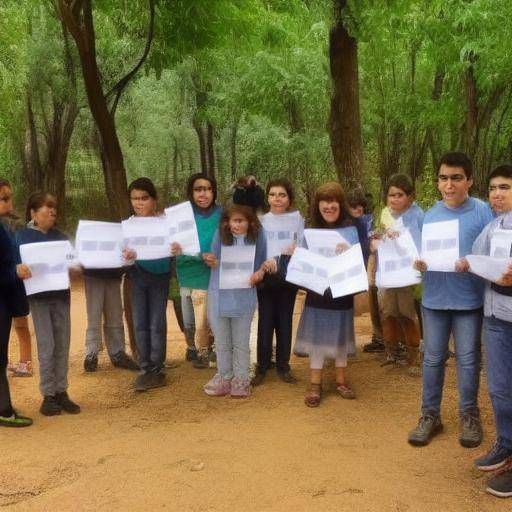
- Promote exploration and outdoor play to promote direct contact with nature.
- Incorporate playful activities and experiences that highlight the importance of biodiversity and ecosystem conservation.
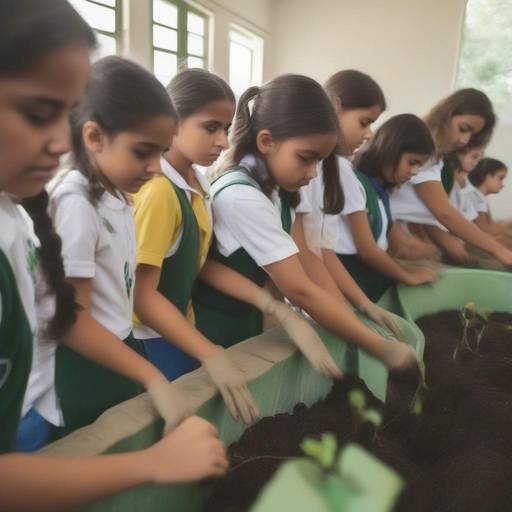
- Integrate school projects that address environmental issues and promote the active participation of students in solving local environmental problems.
- Establish partnerships between schools, families, and community organizations to strengthen environmental education within and outside the school environment.
Industry Perspectives and Expert Reviews
The impact of environmental education from an early age is reflected in the testimony of experts in the field of sustainability and pedagogy. Industry perspectives highlight the need to integrate innovative approaches, adapted to the characteristics and needs of new generations, to ensure relevant and motivating environmental education. Experts underline the importance of training teachers with competencies in environmental education, as well as promoting extracurricular activities that promote emotional connection with nature.
Case Studies and Applications in Real Life
Case studies and practical applications of environmental education from an early age provide concrete examples of their impact on society and the environment. Through sustainability-oriented educational programmes, there has been an increase in the participation of students in recycling, reforestation, and conservation of natural resources. There have also been documented cases in which environmental education has influenced responsible decision-making by young people, resulting in a positive impact on their communities.
Future Trends and Predictions
Future trends in environmental education aim at the integration of sustainable technologies, the strengthening of collaborative partnerships between educational institutions and key environmental actors, as well as the development of educational programmes that address global and local challenges in a comprehensive manner. Predictions suggest that environmental education from an early age will continue to gain relevance due to the urgency of forming citizens committed to the sustainability and care of the planet.
Conclusion
In short, the importance of environmental education from an early age lies in its ability to form citizens conscious, responsible and committed to the preservation of the environment. Through the integration of multidisciplinary approaches, the promotion of the active participation of young people, and the promotion of sustainability values, environmental education from an early age represents a fundamental pillar for building a more equitable and respectful society with nature.
Frequently asked questions
Why is environmental education important from an early age?
Environmental education from an early age is essential to inculcate values of respect for nature, promote understanding of the interdependence between human beings and the environment, and promote the adoption of responsible practices in everyday life. Initiating environmental awareness from early stages, solid foundations are laid for the formation of citizens committed to the preservation of the environment.
How can environmental education be integrated into the school curriculum at an early age?
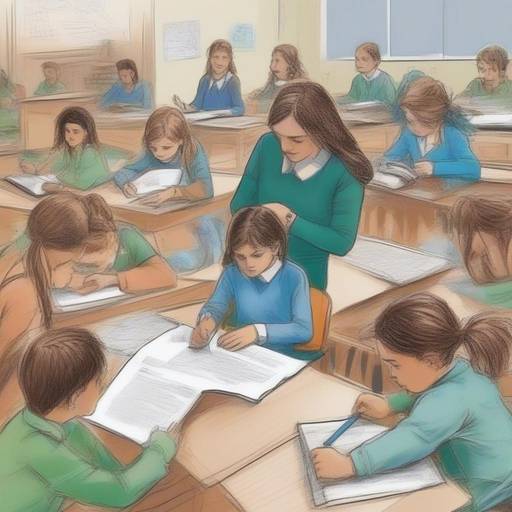
The integration of environmental education in the school curriculum from an early age can take various forms, such as the inclusion of environmental issues in subjects such as natural sciences, social studies and civic education, as well as the realization of interdisciplinary projects that address local and global environmental issues. In addition, the organization of practical outdoor activities and the use of relevant educational resources are effective strategies for involving students in sustainability learning.
What is the role of parents and the community in the environmental education of children?
Parents and the community play a crucial role in children ' s environmental education by providing enabling environments for sustainability learning, fostering sustainable practices at home, and promoting participation in community-based environmental conservation initiatives. Collaboration between schools, families and community organizations helps to strengthen messages and values related to the protection of the natural environment.
What are the challenges associated with the implementation of environmental education from an early age?
Some challenges associated with the implementation of environmental education from an early age include teacher training specialized in environmental content, the availability of relevant educational resources, and the effective integration of environmental education into school curricula. Furthermore, the need to promote the awareness and commitment of educational authorities and society as a whole represents an important challenge to ensure the effectiveness of environmental education from an early age.
How can environmental education contribute to the formation of citizens responsible and committed to sustainability?
Environmental education contributes to the formation of citizens responsible and committed to sustainability by promoting the development of skills such as critical thinking, informed decision-making, and fostering environmental behaviour. By providing meaningful knowledge and experiences on environmental challenges and potential solutions, environmental education creates the basis for individuals to take an active role in environmental protection and the promotion of sustainable practices in society.
What are future trends in environmental education from an early age?
Future trends in environmental education from an early age point to the integration of innovative approaches, the use of sustainable technologies, and the strengthening of partnerships between educational institutions and key environmental actors. In addition, it is expected that issues related to environmental justice and equity will be further mainstreamed, as well as the development of educational programmes that address global and local sustainability challenges in a holistic manner.
In short, environmental education from an early age represents a powerful tool to form conscious, responsible and committed citizens with the preservation of the environment. By inciting sustainability-oriented reflection, learning and action, solid foundations are laid for building a more equitable and respectful society with nature.