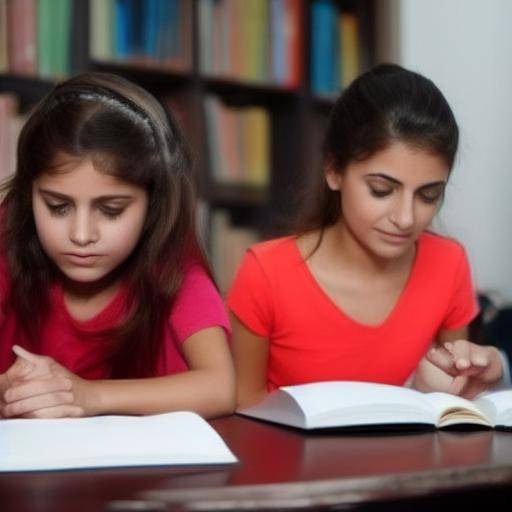
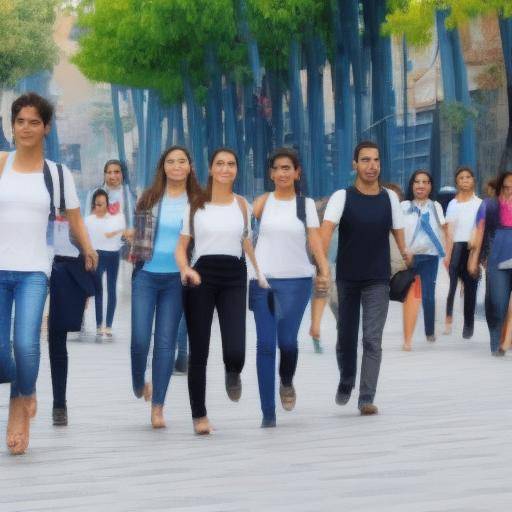
Social skills play a crucial role in the process of human learning and development. From interaction in the school environment to future work performance, social skills have a significant impact on people's success and happiness. In this article, we will thoroughly explore the importance of social skills in learning, their relationship with education and social development, as well as their impact on different aspects of everyday life.
Introduction
The development of social skills is fundamental in the integral formation of individuals. These skills include the ability to communicate effectively, collaborate in teams, resolve conflicts, show empathy and understanding, among others. Often, their relevance in the educational environment is underestimated, focusing more on academic aspects. However, social skills not only contribute to emotional well-being and interpersonal relationships, but also connect closely with academic performance and future success in the workplace.
In this article, we will explore in depth the impact of social skills on learning, from its historical evolution to its practical application in contemporary society. We will also address the importance of integrating education and social development into academic programmes, as well as future trends and predictions related to this issue.
History and Background
The recognition of the importance of social skills goes back centuries. Throughout history, various cultures have emphasized the need to foster empathy, effective communication and cooperation. From Eastern philosophies to the teachings of great Western thinkers, the ability to relate harmoniously to others has been valued.
In the educational context, the traditional approach has tended to prioritize academic achievements on social skills. However, as the understanding of human nature has evolved, the need to balance intellectual development with emotional and social development has increasingly been recognized. At present, many studies support the idea that social skills are not only desirable, but essential for emotional well-being and success in life.
Complete analysis
Benefits of Social Skills
The development of social skills entails a number of significant benefits. The ability to establish positive relationships, resolve conflicts constructively and work as a team are skills that not only enrich personal life, but are also highly valued at work. Empathy and mutual understanding contribute to building strong and cooperative communities.
Current Challenges and Trends
Despite its importance, the promotion of social skills faces challenges today. The impact of technology on interpersonal communication, cultural diversity and globalization pose new challenges, but also offer opportunities to enrich the understanding and practice of social skills. Current trends include the emphasis on emotional education, the integration of social development programmes in schools and the promotion of diversity and inclusion as key elements of effective learning.
Comparative analysis
Social skills vs. Education and Social Development
While social skills are considered a key component of social development, it is important to differentiate between the overall development of social skills and specific education in the social sphere. While social skills encompass a broad spectrum of interpersonal capacities, education and social development focus on cultivating a deep understanding of social dynamics, justice, diversity and civic participation.
Importance and Relevance
The importance of social skills and their integration into education and social development lies in their ability to form committed, communicative and collaborative individuals. These sonesential qualities for the harmonious functioning of society and for personal and collective progress. Recognizing the importance of both social skills and education and social development, a solid foundation for growth and social cohesion can be established.
Practical Tips and Accessible Recommendations
Tips for Promoting Social Skills
- Practicing active listening: Learning to listen and understand the emotions and thoughts of others is fundamental to building solid relationships.
- Developing empathy: Getting into the place of others and understanding their perspectives contributes to strengthening interpersonal relationships and promoting compassion.
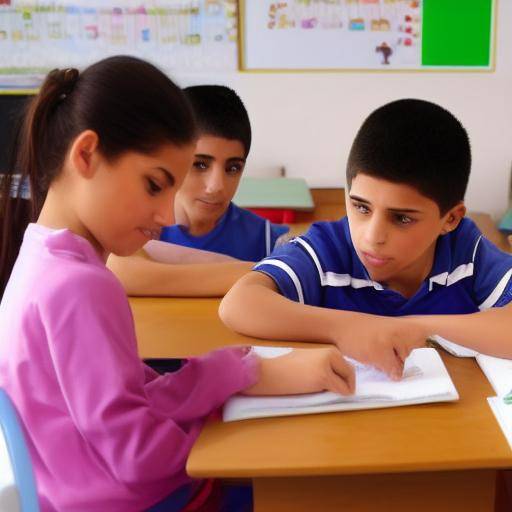
- Participating in group activities: Team collaboration and problem solving together are opportunities to develop social skills and strengthen participation in a collective environment.
- Practice assertive communication: Learning to express ideas and opinions clearly and respectfully is essential for effective communication.
- Learning to manage conflicts: Developing skills to address and resolve conflicts constructively is crucial to maintaining healthy relationships.
Recommendations for Integration in Education
- Include emotional education programs: Incorporate social and emotional skills development into the school curriculum to promote emotional well-being and strengthen relationships among students.
- Fostering teamwork: Designing activities and projects that require collaboration and cooperation among students to perform social skills significantly.
- Promote cultural diversity: Promote understanding and appreciation for cultural diversity through activities, programmes and celebrations that highlight the richness of cultural differences.
Conclusions and FAQs
Conclusions
In short, social skills play a key role in personal, academic and professional development. Its importance lies in its ability to foster healthy relationships, promote effective conflict resolution and strengthen the social fabric of communities. The integration of education and social development with an approach to social skills offers the opportunity to form more complete individuals and to contribute to the construction of more supportive and equitable societies.
Frequently asked questions
1. Why are social skills important in the educational environment?
Social skills are fundamental in the educational environment because they contribute to emotional well-being, promote social integration and promote a positive and collaborative learning environment.
2. How can social skills be developed in children from an early age?
The development of social skills in children can be encouraged through cooperative play, the teaching of conflict resolution strategies and the modeling of positive behaviour by adults.
3. What is the impact of social skills on job performance?
Social skills, such as effective communication, empathy, team-building and conflict resolution, are highly valued at work and contribute significantly to professional success.
4. What role does education and social development play in the formation of committed citizens?
Education and social development are fundamental to forming committed, informed and able citizens to contribute positively to society, promoting civic participation, understanding of diversity and social justice.
5. How can companies foster the development of social skills in the workplace?
Businesses can foster the development of social skills through training programmes, the promotion of a collaborative work environment and the promotion of diversity and inclusion in the workplace.
6. What are future trends in integrating social skills into educational programs?
Future trends include a greater focus on emotional education, the promotion of emotional intelligence and the development of digital communication skills, as the current landscape demands social skills adapted to new forms of interaction.
Conclusion:
In conclusion, social skills are fundamental to the integral development of people, impacting their emotional well-being, their academic performance and their success in working and social environments. The integration of education and social development, with a focus on social skills, promotes meaningful learning that prepares individuals to face the challenges of the current world.
As society evolves, it is crucial to recognize the importance of cultivating solid social skills. Providing people with the tools to effectively relate, understand and manage their emotions, resolve conflicts and collaborate constructively will contribute not only to general well-being, but also to the development of more equitable and compassionate communities.
With this article, the importance of social skills in learning, their relationship with education and social development, as well as their impact on different aspects of everyday life, has been thoroughly explored. By understanding the relevance of these skills and their influence in multiple areas, we can work towards the implementation of effective strategies that promote their integral development.
With this in mind, we encourage you to integrate these concepts into your daily life, as well as to share this information with others, to contribute to building a more empathic, collaborative and successful society. Let us take advantage of the transforming power of social skills in learning and life!
Contact us if you need more information on social skills, education and social development. Our team will be happy to provide additional advice.
Remember, social skills are the key to a bright and prosperous future!