Financial education is a fundamental tool that directly impacts people's quality of life. Since childhood, it is crucial to inculcate habits, knowledge and skills that enable individuals to make informed and responsible financial decisions throughout their lives. In this article, we will explore the importance of financial education from childhood, its historical evolution, its benefits, challenges, practical applications, and its impact on the future. We will also provide insights from experts, real case studies and future trends.
Financial Education from Childhood: A Fundamental Pilar
History and Background
The concept of financial education has evolved significantly throughout history. From the first forms of exchange to the sophistication of contemporary financial markets, the understanding of finance has been crucial for economic development and social welfare. In ancient times, the exchange of goods and services marked the beginnings of financial transactions. With the advent of money, basic financial concepts began to be established. However, the focus on formal and systematic financial education is a more recent phenomenon.
Analysis in Deep
Financial education at an early age promotes informed financial decision-making and the ability to effectively manage financial resources. In addition, financial literacy in children is closely linked to reducing economic and social inequality, as well as improving the overall well-being of society. Children and adolescents who acquire strong financial knowledge can avoid future economic difficulties and create solid foundations for a stable financial future.
Comprehensive review
Financial education is not limited to understanding basic concepts of savings, investment and spending. It is also crucial to teach children about the value of money, credit management, budget and financial planning in the short and long term. Strong financial education from childhood offers the opportunity to develop financial skills that will be key to facing complex economic situations in the future.
Practical Tips and Actions
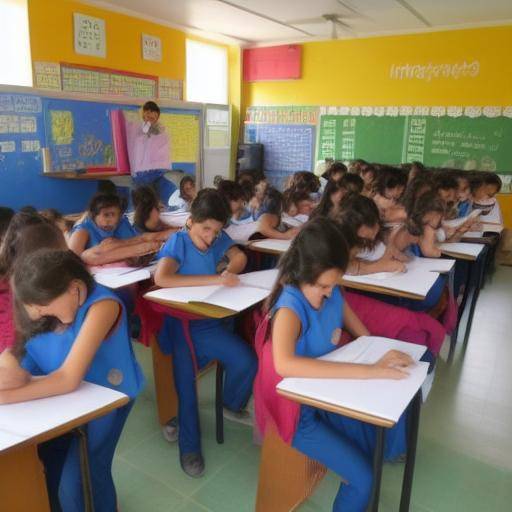
Some practical ways of promoting financial education from childhood include educational games on finance, assigning financial responsibilities appropriate to their age, and fostering open dialogue on financial issues at home. It is also essential to involve schools to systematically integrate financial education into their curricula.
Industry Perspectives and Expert Reviews
Several experts in financial education agree that early learning of financial skills is essential to preparing future generations. The incorporation of financial education into the school curriculum is essential to form financially responsible and empowered citizens.
Case Studies and Applications in Real Life
Real case studies have shown that young people involved in financial education programmes develop a stronger understanding of their financial decisions and show greater responsibility for managing their personal finances. Educational programmes in schools and communities have had a significant impact on the development of financial skills in children.
Future Trends and Predictions
As society moves towards an increasingly digital economy, financial education from childhood faces the challenge of adapting to the evolving financial environment. Integrating technology and emotional intelligence into financial education emerge as key trends in preparing future generations.
Conclusion
In short, financial education from childhood is a fundamental pillar for the personal development and economic well-being of individuals. Promoting early financial education provides opportunities to promote accountability, empowerment and financial stability throughout life. Understanding financial concepts from an early age helps to lay the foundation for informed decision-making and promote greater economic equity in society. It is essential to recognize the intrinsic value of financial education in children and to advocate for their widespread integration into educational systems and family environments.
Frequently asked questions
Why is it important to teach financial education from childhood?
Financial education in children lays the foundation for informed financial decision-making throughout life, promoting the economic and social stability of future generations.
What are the consequences of lack of financial education since childhood?
Lack of early financial education can result in irresponsible financial decisions, loss of economic opportunities and financial vulnerability throughout life.
How can financial education lessons be integrated into the family environment?
Parents may involve their children in managing daily money, explaining financial decisions and fostering financial responsibility through assignments and tables.
What is the role of schools in financial education since childhood?
Schools play a key role in integrating financial education into the school curriculum, promoting extracurricular programmes and promoting understanding of financial concepts in an educational environment.
What impact does financial education have on children in developing long-term financial skills?
Early financial education promotes the acquisition of sound financial skills, preparing individuals to face complex economic situations and make responsible financial decisions in the future.
What are the emerging trends in financial education from childhood?
Emerging trends include integrating technology, focusing on emotional intelligence and adapting to evolving digital financial environments.
In conclusion, the importance of financial education from childhood lies in its ability to empower future generations and foster a more equitable and financially competent society. By instilling financial knowledge and promoting a responsible mentality from an early age, the foundations for a more robust and prosperous economic future are laid.