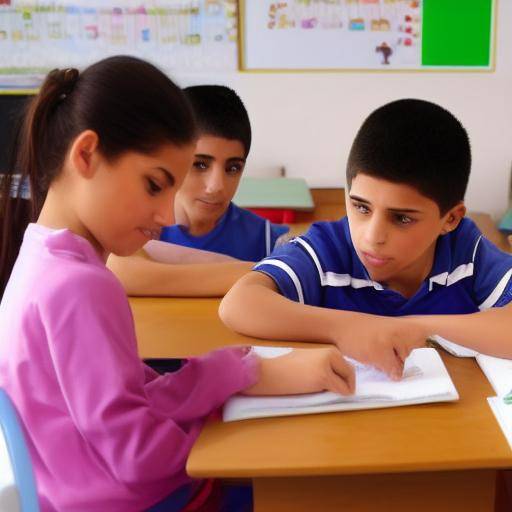
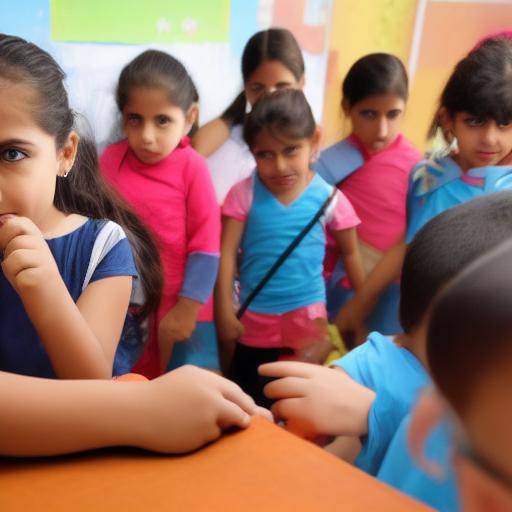
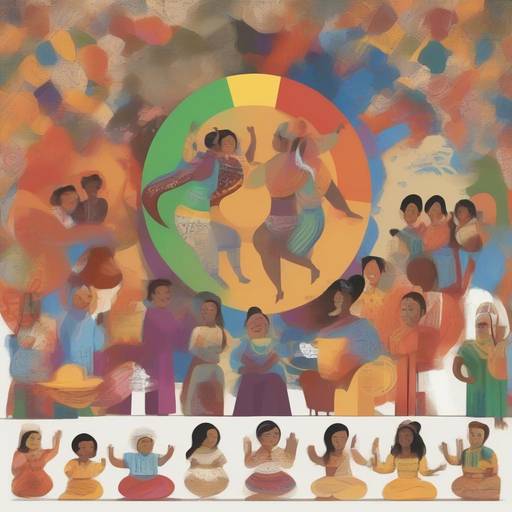
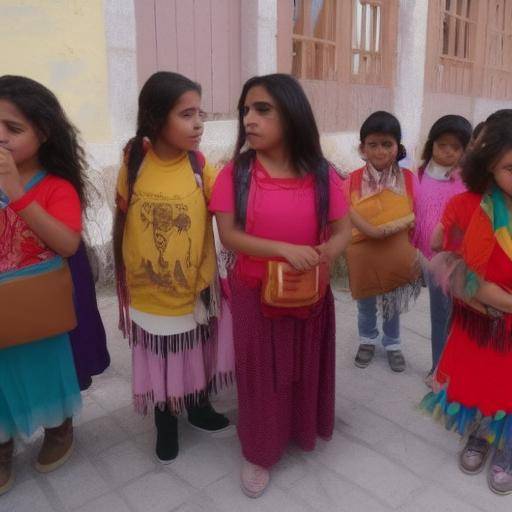
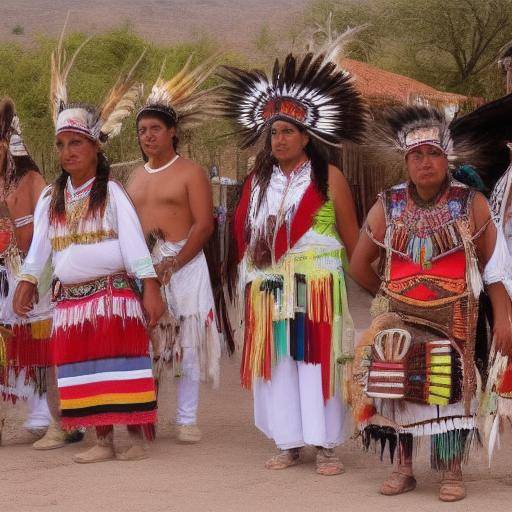
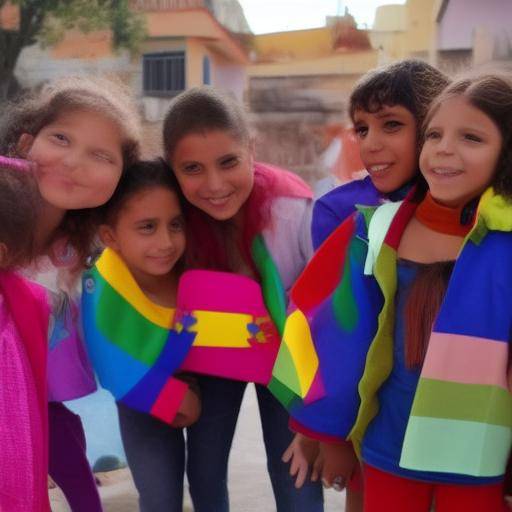
Cultural diversity in education is a subject of great importance in today ' s society. It not only enriches the learning of students, but also promotes understanding, respect and inclusion. In this article, we will explore in depth the importance of cultural diversity in education, its impact on the development of students, and how it can enrich the educational environment.
Introduction
Cultural diversity in education refers to the variety of cultures, languages, traditions and customs present in the educational context. This approach recognizes the importance of assessing and respecting cultural differences, fostering an inclusive and enriching learning environment. Interaction with diverse cultures not only broadens students' horizons, but also gives them the opportunity to acquire vital intercultural skills in an increasingly globalized world.
History and Background
The importance of cultural diversity in education has deep roots in the history of humanity. Since remote times, societies have been interconnected, sharing knowledge, beliefs and practices. The process of globalization has accelerated this cultural interaction, making diversity a distinctive feature of contemporary society. In the educational field, this diversity has led to a paradigm shift, recognizing the need to integrate different cultural perspectives into the teaching-learning process.
Educational policies have evolved to reflect this conviction, promoting the inclusion of pedagogical practices that promote cultural diversity. At various times in history, social and cultural movements have advocated the inclusion and recognition of cultural differences in the educational field, seeking to break barriers and prejudices.
Cultural diversity in education not only recognizes the variety of ethnic, racial and cultural origins, but also covers linguistic, religious and socio-economic differences. This holistic understanding of diversity promotes equity and social justice in education, laying the foundation for a more inclusive and respectful society of cultural plurality.
Analysis in Deep
The integration of cultural diversity in education entails a number of substantial benefits. Studies have shown that students exposed to culturally diverse environments develop critical thinking skills, empathy and adaptability. In addition, diversity in the classroom fosters creativity and innovation, as interaction with different perspectives stimulates lateral thinking and creative problem solving.
However, there are also challenges associated with cultural diversity in education. These challenges include the possible discrimination or exclusion of certain cultural groups, the language barrier, and the lack of cultural sensitivity in curriculum design. To address these challenges, it is essential to implement strategies that promote inclusion, equity and respect for diversity.
At present, cultural diversity in education is a growing issue, especially in urban and multicultural contexts. Contemporary society demands professionals capable of unfolding in diverse environments, which underlines the importance of providing students with an education that reflects the cultural reality of the present world.
Comprehensive review
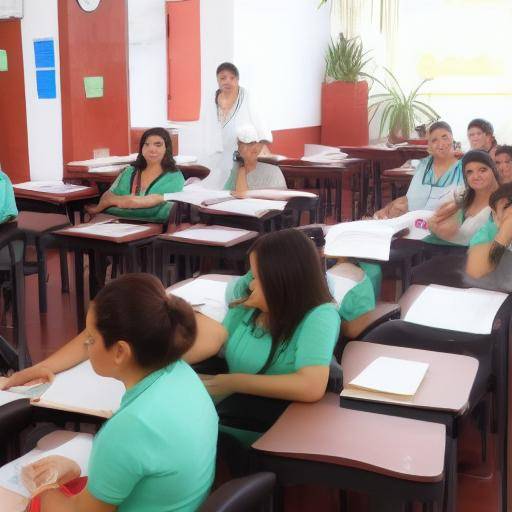
The effective integration of cultural diversity in education requires inclusive pedagogical approaches, as well as the development of curricula that incorporate diverse perspectives. In addition, teacher training plays a crucial role in promoting cultural diversity, as educators play a key role in building an inclusive, respectful and enriching learning environment.
Intercultural approaches to education can include the celebration of cultural festivities and traditions, the integration of literature and art from various cultures into the curriculum, and the promotion of intercultural dialogue in the classroom. Inclusive learning spaces, where diversity is valued and respected, create an enabling environment for the academic, emotional and social development of students.
Beyond the benefits for students, cultural diversity in education also contributes to building a more just and harmonious society. In exposing students to various realities and perspectives, empathy, tolerance and mutual understanding are encouraged, laying the foundation for peaceful and respectful coexistence in society.
Comparative analysis
The importance of cultural diversity in education is closely related to the promotion of equity and social justice. In turn, diversity enriches the teaching-learning process by presenting multiple perspectives and approaches to problems. The integration of cultural diversity in education not only contributes to the integral development of students, but also strengthens the social fabric by promoting acceptance and appreciation of diversity.
Practical Tips and Accessible Tips
In order to promote cultural diversity in education, it is essential for teachers to incorporate multicultural elements into their education. This may include the selection of educational materials that reflect cultural diversity, the organization of intercultural activities, and the creation of an environment that celebrates diversity. It is also essential that educational institutions promote the training and awareness of teaching staff on cultural diversity issues.
Industry Perspectives and Expert Reviews
The opinions of education experts agree that cultural diversity in education is essential to preparing students for a globalized society. Influencing educators in the field of cultural diversity advocate inclusive pedagogical approaches, where the cultural heterogeneity present in the classrooms is recognized and celebrated. In addition, they highlight the importance of equipping teachers with the tools necessary to manage diversity effectively.
Case Studies and Real Life Applications
Various educational centres around the world have implemented effective strategies to promote cultural diversity in education. From the inclusion of bilingual programmes to the adoption of intercultural pedagogical methodologies, these initiatives have demonstrated their ability to enrich student learning and strengthen social cohesion in educational communities.
Future Trends and Predictions
As the world continues to globalize, cultural diversity in education will remain a central theme in the educational field. Education policies are expected to actively promote inclusion and diversity, ensuring that educational environments reflect the cultural and ethnic wealth present in society. In addition, there is a greater emphasis on the training of teachers on issues of cultural diversity, as well as a continuing commitment to develop curricula that cover diverse perspectives.
Conclusion
In short, cultural diversity in education plays a key role in the formation of global citizens, establishing values of respect, tolerance and openness to diversity. The effective integration of cultural diversity in the educational sphere not only enriches the learning process, but also shapes inclusive and fair societies. Promoting cultural diversity in education is crucial to preparing future generations for an interconnected and diverse world.
Frequently asked questions
Why is cultural diversity important in education?
Cultural diversity in education is important because it enriches student learning, promotes empathy and tolerance, and prepares students for a globalized society.
How can teachers foster cultural diversity in education?
Teachers can foster cultural diversity in education by selecting educational materials that reflect diversity, organizing intercultural activities and creating an inclusive environment that celebrates diversity.
What are the benefits of including cultural diversity in the educational curriculum?
Including cultural diversity in the educational curriculum promotes critical thinking, empathy, creativity and adaptability in students. In addition, it prepares students for a diverse and globalized world.
What are the challenges associated with cultural diversity in education?
Some challenges associated with cultural diversity in education include discrimination or exclusion of certain cultural groups, language barriers, and lack of cultural sensitivity in curriculum design.
How can schools promote the inclusion of cultural diversity in education?
Schools can promote the inclusion of cultural diversity in education through bilingual programmes, intercultural pedagogical methodologies, and the training of teachers on cultural diversity issues.
What is the role of cultural diversity in promoting equity and social justice in education?
Cultural diversity in education promotes equity and social justice by recognizing and assessing cultural differences, laying the foundations for a more inclusive and respectful society.
What are future trends related to cultural diversity in education?
Education policies are expected to actively promote inclusion and diversity, ensuring that educational environments reflect the cultural and ethnic wealth present in society. In addition, there is a greater emphasis on teacher training on cultural diversity issues.
In short, cultural diversity in education plays a crucial role in the formation of global citizens, modeling inclusive and fair societies. The promotion of cultural diversity in education not only enriches student learning, but also prepares future generations for a diverse and globalized world.