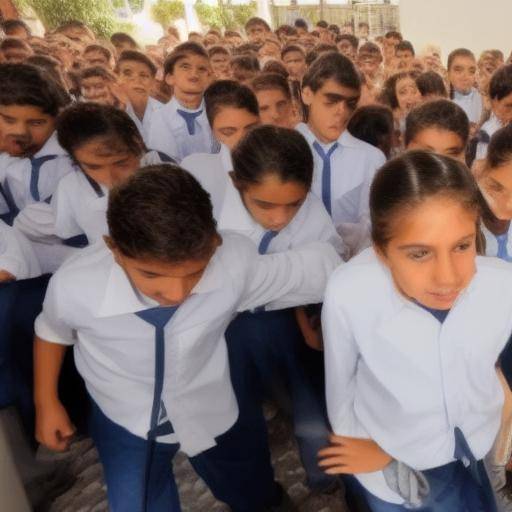
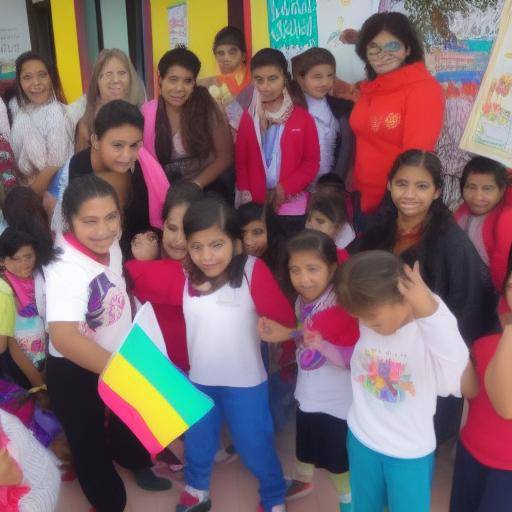
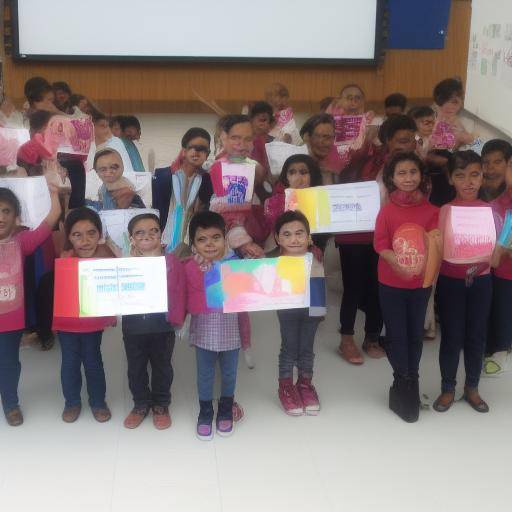
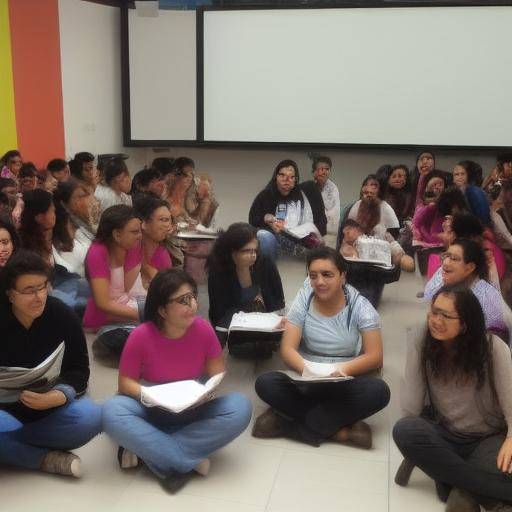
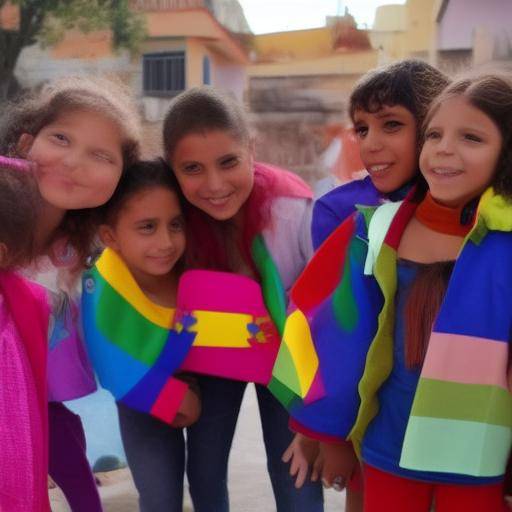
Secondary education plays a fundamental role in the formation of young people, not only in academic terms, but also in the understanding and appreciation of the cultural diversity that characterizes our society. In this article, we will explore how to educate on the importance of cultural diversity in the secondary school environment, analysing its historical relevance, its benefits, challenges, best practices, case studies, future forecasts and much more.
Introduction
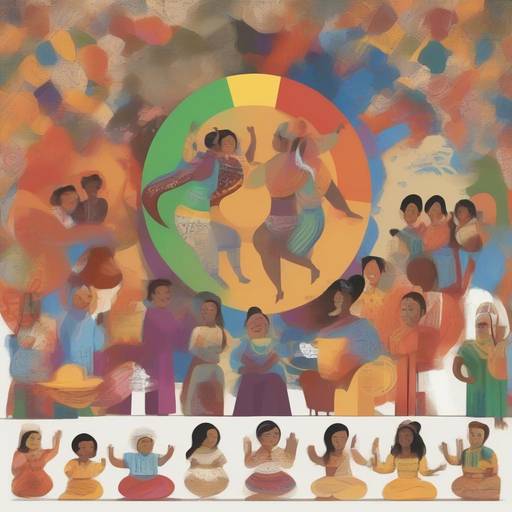
Education is a fundamental process in the formation of future generations, and it is essential to address cultural diversity as an integral part of the secondary education programme. In this regard, it is crucial for students to understand and value the cultural, ethnic, linguistic and social differences present in society. The promotion of cultural diversity in education not only promotes respect and empathy, but also contributes to the construction of a more inclusive and fair society. Throughout this article, we will explore how educators can effectively address this issue, promoting the importance of cultural diversity in the classroom and beyond.
History and Background
Cultural diversity has been an intrinsic part of the history of humanity, with ancestral societies that have prospered on the basis of their unique values, traditions and beliefs. From ancient civilizations to today, understanding and respect for cultural diversity has been a vital element for human development. In the educational context, the inclusion of cultural diversity in the curricula has evolved significantly over time, reflecting changes in social attitudes and pedagogical approaches.
One of the key dates for the promotion of cultural diversity in education was the adoption in 2005 of the UNESCO Convention on the Protection and Promotion of the Diversity of Cultural Expressions. This international agreement laid the foundation for the protection and promotion of the diversity of cultural expressions, recognizing the importance of cultural diversity for sustainable development and social cohesion.
The recognition of cultural diversity in education has been reflected in efforts to revise the curricula, the implementation of cultural exchange programmes and the promotion of the participation of local communities in education. These developments underscore the growing importance of educating on cultural diversity in the context of secondary education.
Analysis in Deep
The promotion of cultural diversity in educational settings has a number of significant benefits. Studies show that exposure to different cultures strengthens students' empathy, respect and global awareness. Furthermore, cultural diversity in the classroom enriches the learning process by fostering active participation and appreciating diverse perspectives. However, it also entails challenges, such as managing intercultural conflicts and overcoming entrenched stereotypes and prejudices.
In the current globalized scenario, the ability to understand, respect and work with individuals from diverse cultures is an invaluable skill. Educators face the challenge of balancing the promotion of cultural diversity with the need to maintain an inclusive and respectful educational environment for all students.
Comprehensive review
The promotion of cultural diversity in secondary education is based on pedagogical models that foster intercultural dialogue, equal opportunities and the value of diversity. The implementation of inclusive practices, the incorporation of diverse educational materials and the promotion of critical reflection are effective strategies to educate on the importance of cultural diversity.
Likewise, the use of technological resources and social networks can be of great use for the dissemination and discussion of cultural diversity among students. Collaboration with local communities and the organization of intercultural events in the school environment can also enrich the educational process, providing practical experiences to students.
Comparative analysis
It is important to differentiate between educating about cultural diversity, promoting its importance and understanding its implications in society. Education on cultural diversity involves the process of imparting knowledge and values related to the different cultures present in the world, while promoting their importance implies highlighting the benefits of a diverse and multicultural society. Both aspects are intertwined to foster mutual understanding and acceptance in a plural society.
Practical Tips and Recommendations
Here are some practical tips to educate on the importance of cultural diversity in the secondary environment:
- Promote the active inclusion of cultural diversity in the curricula, integrating diverse and relevant educational materials.
- Organize intercultural activities, such as celebrations, seminars and talks, that promote intercultural dialogue and mutual understanding.
- Establish alliances with local communities for collaborative projects that highlight the cultural wealth of the region.
- Promote student participation in cultural exchange programs to promote experiential learning and direct appreciation of other cultures.
- To increase the use of technological resources and social networks to disseminate the importance of cultural diversity and promote intercultural dialogue in the school environment.
Conclusions and FAQs
Conclusion
Education on cultural diversity in the context of secondary education is essential to form conscious, tolerant and respectful global citizens. The promotion of cultural diversity in the classroom not only enriches the educational process, but also contributes to the construction of a more inclusive and equitable society. By integrating cultural diversity into the educational environment, fostering mutual understanding, challenging stereotypes and cultivating intercultural skills that are fundamental to the future of our students.
Frequently asked questions
Why is it important to educate about cultural diversity in secondary education?
Education on cultural diversity in secondary education is crucial to preparing students for an increasingly interconnected and diverse world. This training allows them to develop intercultural skills, promotes empathy and respect for diversity, and promotes a wider understanding of society and the world.
How can educators effectively address cultural diversity in the classroom?
Educators can address cultural diversity in the classroom by integrating diverse educational materials, promoting intercultural dialogue, organizing intercultural activities and encouraging critical reflection on issues related to cultural diversity.
What are the benefits of promoting cultural diversity in the school environment?
Promoting cultural diversity in the school environment encourages the active participation of students, enriches the educational process, strengthens intercultural empathy and respect, and prepares students for a diverse and globalized society.
What are the challenges associated with promoting cultural diversity in secondary education?
Challenges associated with the promotion of cultural diversity include the management of intercultural conflicts, the overcoming of stereotypes and entrenched prejudices, and the need to ensure an inclusive and respectful educational environment for all students.
How can education on cultural diversity contribute to building a more inclusive society?
Education on cultural diversity contributes to building a more inclusive society by fostering mutual understanding, challenging stereotypes and prejudices, and cultivating fundamental intercultural skills for coexistence in a plural society.
How can students contribute to the promotion of cultural diversity in their school environment?
Students can contribute to the promotion of cultural diversity in their school environment by actively participating in intercultural activities, sharing personal cultural experiences, showing respect and empathy for their peers from different cultural backgrounds, and using their influence to promote an inclusive and diverse educational environment.
The incorporation of cultural diversity in secondary education not only enriches learning, but also prepares students for a diverse and globalized world. By educating on the importance of cultural diversity, a more inclusive and equitable educational system is promoted, which prepares future generations to understand and value the heterogeneity of society.