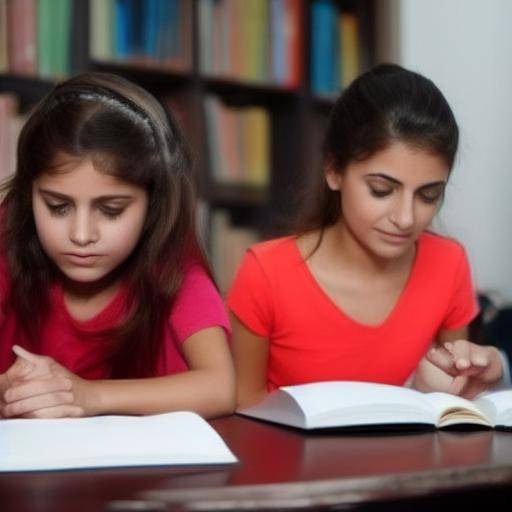
Respect plays a crucial role in the development of children, influencing their emotional, social and cognitive well-being. In this article, we will explore in detail the significance of respect for child development, as well as its benefits, challenges, practical advice and future trends.
The Importance of Respect for Child Development
Respect is a fundamental quality in the formation of the identity and self-esteem of children. When children experience an environment of respect, they learn to value themselves and others, providing them with a solid basis for developing positive relationships, effective communication skills, and managing their emotions in a healthy way. In addition, respect for child development is reflected in its ability to form safe, empathetic and durable links with others.
Relations and Respect for Children
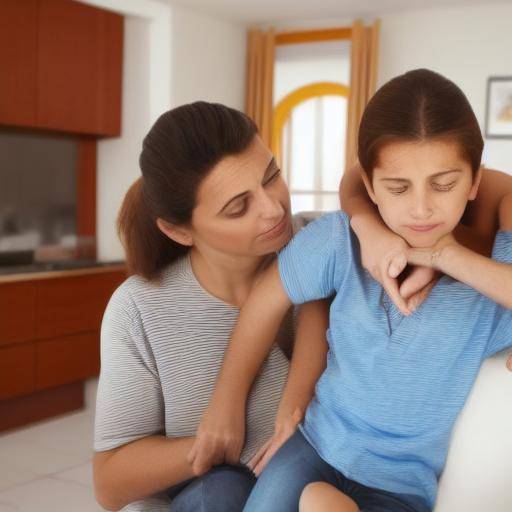
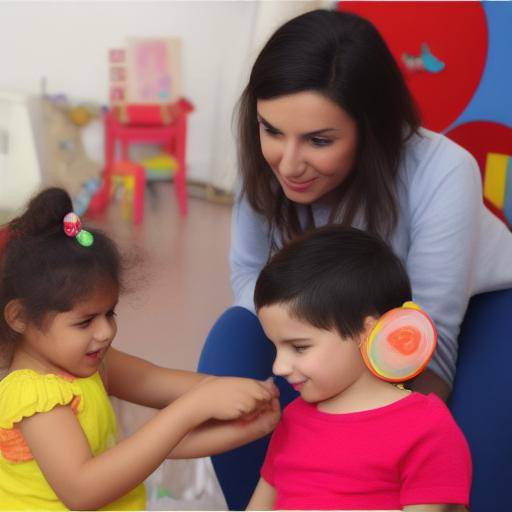
The initial interactions of a child with their caregivers and their environment are essential for their social and emotional development. Mutual respect in relations between parents, teachers and children establishes a model to follow for children, fostering self-confidence and others, and promoting a sense of emotional security in their environment.
Child Development and Empowerment
Respect for children promotes their ability to empathize with others, which is crucial for the peaceful resolution of conflicts and the building of healthy relationships in the adult phase. This practice also promotes that children are receptive to the needs of others, thus laying a solid foundation for interpersonal empathy and understanding.
The History of Respect in Child Development
The concept of respect for child development dates back to the teachings of philosophers such as Jean-Jacques Rousseau and John Locke, who emphasized the importance of treating children with regard to and dignity. His ideas laid the groundwork for an approach focused on the needs and rights of children, thus influencing educational and upbringing practices over time. Subsequently, the evolution of respect in the educational context has shifted from an authoritarian approach to a more inclusive and collaborative approach, recognizing that dialogue and active participation of students are essential for meaningful learning. In addition, the recognition of children ' s rights at the international level has helped to strengthen the notion of respect for young people by consolidating principles of dignity, equality and participation for children.
Detailed Analysis of the Relationship between Respect and Child Development
Respect for child development is not only a moral issue, but also has significant impacts on the integral well-being of children. From its influence on self-esteem to its contribution to a positive learning environment, respect plays a key role in various aspects of child development. The benefits of respect include promoting a sense of emotional security and self-confidence, as well as strengthening the capacity of children to communicate effectively, resolve conflicts peacefully and develop fundamental social skills. On the other hand, there are challenges inherent in the application of respect for upbringing and education, such as social pressure, cultural expectations and parental styles, which can influence the ability of adults to foster a child-friendly environment. However, current trends in upbringing and education, such as positive parenting, the focus on emotional intelligence and the promotion of inclusive educational environments, seek to strengthen the relationship between respect and child development.
Comprehensive Review of the Relationship between Respect and Child Development
The relationship between respect and child development is multidimensional and has significant implications in the lives of children. In deepening the review of this relationship, it is possible to identify various practical applications, best practices and future projections that provide valuable guidance for parents, educators and professionals of child development. Effective integration of respect in child development requires the implementation of concrete practices that strengthen their positive impact. The following are practical advice and specific actions that parents, caregivers, educators and professionals can adopt to promote respect actively and meaningfully in the lives of children.
Practical Tips and Concrete Actions
- Tips for Promoting Respect in Education and Crianza
- Modeling respectful behavior: Adults serve as models of behavior for children. By demonstrating respect for others, children learn to replicate this behavior in their daily interactions.
- Promoting open communication: Creating an environment where children feel safe to express their views and emotions fosters mutual respect and understanding.
- Establish clear limits with empathy: It is essential to establish limits in a loving and understanding manner, providing clear and respectful explanations that promote the understanding of children.
- Actions to Promote Respectful Relations
- Validating the emotions of children: Recognizing and validating the feelings of children strengthens their self-esteem and promotes self-confidence.
- Promoting peaceful conflict resolution: Teaching children strategies to resolve conflicts in a respectful and constructive manner provides them with fundamental tools for interpersonal relationships.
- Guidelines for Creating a Respectful Environment in the Home and School
- Implementing a positive language: Using a language that promotes self-affirmation, respect and empathy contributes to a respectful environment in which children can flourish.
- Promoting active participation of children: Involving children in decision-making and daily activities promotes a sense of belonging and respect for their views and contributions.
Industry Perspectives and Expert Reviews
The perspectives and opinions of experts in the field of child development offer a profound and informed view of the relevance of respect for the healthy growth of children. Through interviews, research and analysis, it is possible to understand how industry professionals value and apply respect in the context of child development.
Conclusions and FAQs
Conclusions
Respect plays a key role in the integral development of children, influencing their self-esteem, social skills and ability to establish positive relationships. By prioritizing respect for the upbringing, education and treatment of children, they form the basis for emotionally healthy growth and active participation in society.
Frequently asked questions
- Why is it important to promote respect for child development? Fostering respect in child development promotes the formation of healthy relationships, self-esteem and ability to empathy, fundamental skills for a balanced and satisfactory life.
- How can I teach children to respect others? Fostering respect in children involves modeling the desired behavior, establishing clear limits with understanding and fostering open and respectful communication.
- What is the long-term impact of promoting respect for children? Fostering respect for children has a long-term impact on the ability of individuals to establish healthy relationships, resolve conflicts peacefully and contribute positively to society.
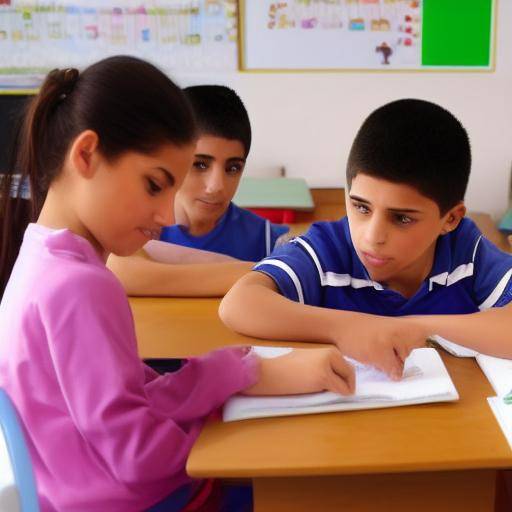
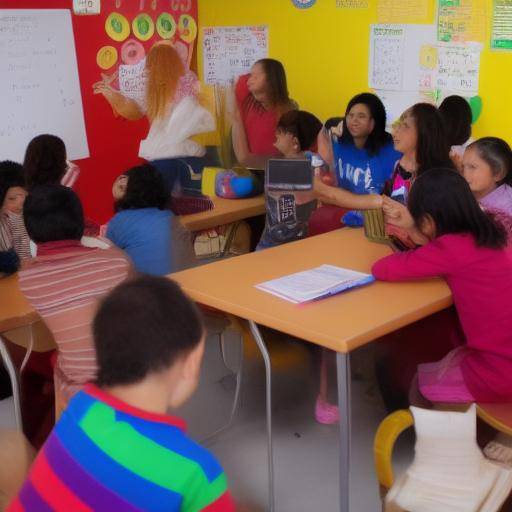
- How can I promote a respectful atmosphere in the classroom? Promoting a respectful environment in the classroom involves establishing clear rules, fostering cooperation, teaching conflict resolution skills and modeling respectful behaviour.
- What are the most common challenges in promoting respect for child development? Common challenges include social pressure, lack of awareness of the importance of respect and the influence of authoritarian parental styles.
- What is the role of the school in promoting respect for child development? Schools have the responsibility to create an environment that promotes respect, understanding and empathy among students, thus promoting an environment conducive to the healthy growth of children.
Summary
Respect plays a crucial role in child development, influencing the formation of healthy relationships, self-esteem and the ability of children to empathy. By prioritizing the promotion of respect in upbringing and education, the foundations for emotionally healthy growth and active participation in society are laid. The long-term benefits of cultivating a child-friendly environment have a positive impact on their emotional, social and cognitive well-being, preparing them for a rewarding and meaningful life.