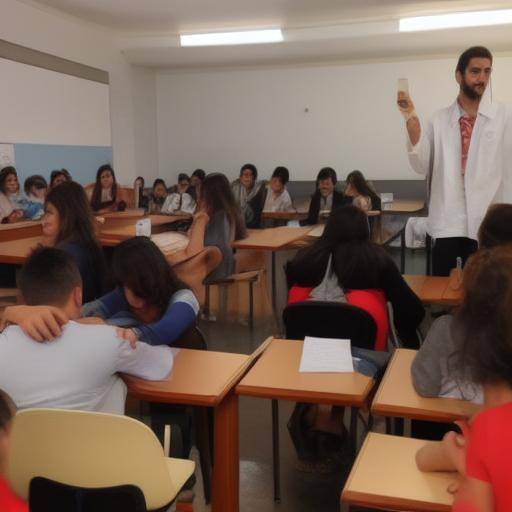
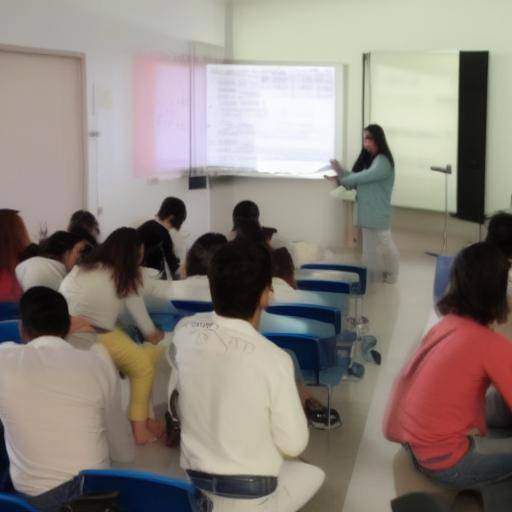
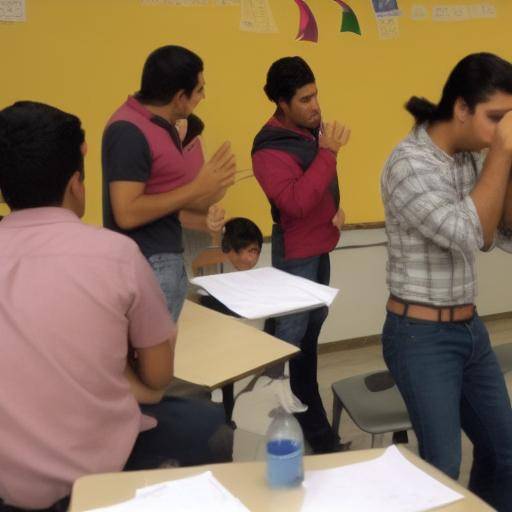
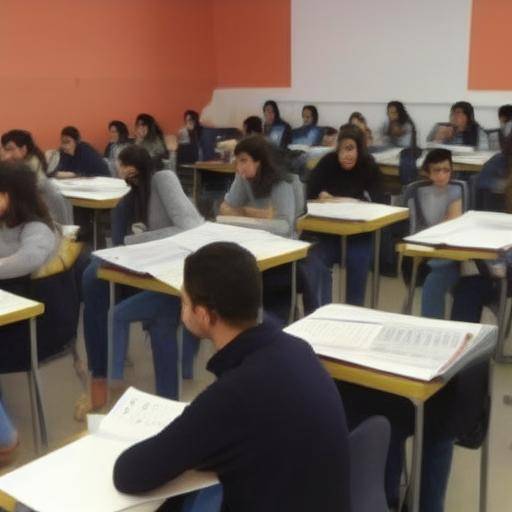
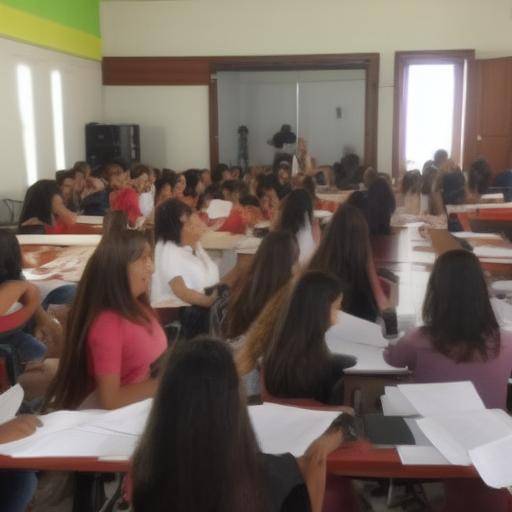
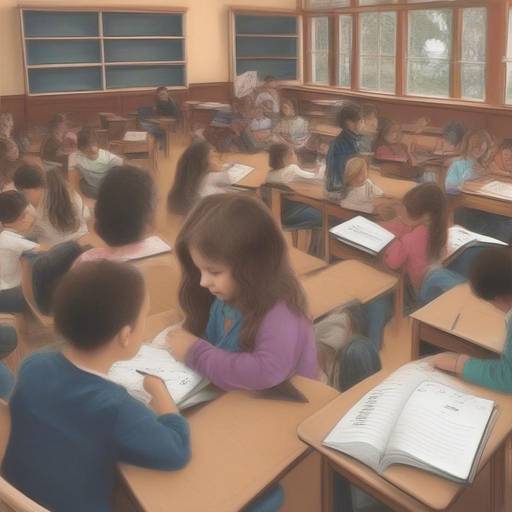
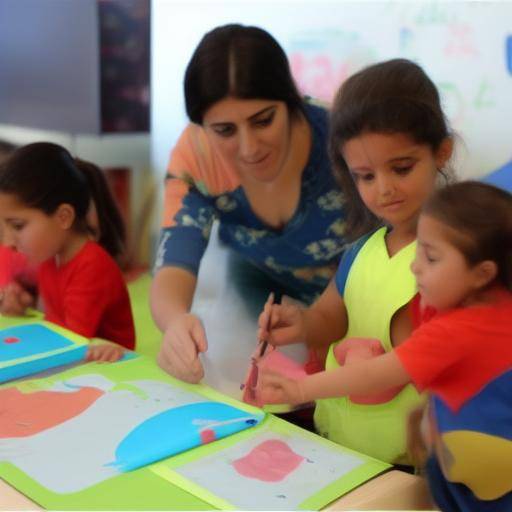
The classroom is a vital environment for the development of communication skills, both verbal and non-verbal, in students. Non-verbal communication plays a crucial role in the way we relate and understand others. Promoting your understanding and applying it in the classroom can have a significant impact on student learning and interaction. In this article, we will explore the importance of promoting non-verbal communication in the classroom, its benefits, challenges, and provide practical advice to enhance its development.
Introduction
Non-verbal communication, which includes gestures, facial expressions, posture, voice tone and visual contact, is a powerful form of communication that complements verbal language. In the educational environment, fostering understanding of non-verbal communication can improve the relationship between teachers and students, fostering a positive learning environment and enhancing the development of social skills in young people.
History and Background
The importance of non-verbal communication in human interactions has been recognized throughout history. From the first studies of body and gestual language to the advances in neuroscience that have revealed the connection between non-verbal communication and human emotions, there has been a growing interest in understanding and applying this type of communication.
The study of non-verbal communication has experienced significant advances, from the pioneering research of prominent psychologists and anthropologists to their integration into fields such as psychology, pedagogy and sociology. These developments have led to greater awareness of the importance of non-verbal communication in various contexts, including the classroom.
Deep analysis
Non-verbal communication in the classroom has the potential to improve understanding, empathy and collaboration. However, it also presents challenges, such as misinterpretation of non-verbal signs and cultural differences in non-verbal expressions. It is crucial to address these complexities to ensure an inclusive and effective learning environment.
Comprehensive review
To explore the specific applications of non-verbal communication in the classroom, from the importance of visual contact in teaching to conflict management through non-verbal communication techniques, it is essential to understand its impact and potential in the educational environment. It is also crucial to examine best practices and strategies to promote non-verbal communication in classrooms and the development of relationship skills.
Comparative analysis
By comparing the promotion of non-verbal communication in the classroom with its application in other contexts, such as in labour or social environments, we can identify key similarities and differences. These comparative analyses provide valuable insights on how to adapt non-verbal communication strategies to specific educational environments.
Practical Tips and Tips for Action
Providing specific guidelines and practical examples to promote non-verbal communication in the classroom is essential for its effective implementation. These tips can address from the importance of the teacher's posture to how to promote the emotional expression of students through specific classroom activities.
Industry ideas and Expert Reviews
Gathering and presenting ideas of experts in pedagogy, psychology and communication gives us a broader and more up-to-date view on promoting non-verbal communication in the classroom. Industry trends and forecasts will also shed light on the future of non-verbal communication in educational settings.
Case Studies and Real Life Applications
Presenting real cases where non-verbal communication has been successfully applied in the classroom helps illustrate its impact and provides tangible examples for implementation. These case studies can also highlight lessons learned and best practices.
Future Trends and Predictions
Analyzing emerging trends related to the promotion of non-verbal communication in the classroom and presenting future predictions based on current data and expert views is crucial in anticipating the challenges and opportunities in this constantly evolving area.
Conclusions
In short, promoting non-verbal communication in the classroom can have a significant impact on the educational environment, improving the interaction, understanding and development of social skills in students. In understanding the importance of non-verbal communication, addressing their challenges and implementing effective strategies, educators can enrich the learning experience and foster an inclusive and enriching classroom environment.
Frequently asked questions
Why is it important to encourage non-verbal communication in the classroom?
Non-verbal communication plays a crucial role in understanding, empathy and the relationship between teachers and students. Fostering their development in the classroom improves the learning environment and empowers students' social skills.
What are the benefits of promoting non-verbal communication in the classroom?
Promoting non-verbal communication in the classroom can improve emotional connection between teachers and students, promote mutual understanding and strengthen non-verbal communication skills, which are essential in everyday life.
How can teachers foster non-verbal communication in the classroom?
Teachers can promote non-verbal communication in the classroom through practical activities that highlight the importance of gestures, facial expressions and visual contact in communication. They can also incorporate role games and emotional expression exercises.
What are the challenges associated with promoting non-verbal communication in the classroom?
Challenges may include misinterpretation of non-verbal signs, cultural differences in non-verbal expressions and the need to adapt strategies to the specific characteristics of students.
How does non-verbal communication in the classroom compare with its application in other contexts?
Non-verbal communication in the classroom shares similarities with its application in other contexts, such as in labour or social environments, but also shows differences in the objectives and dynamics of specific interaction.
What are future trends in promoting non-verbal communication in the classroom?
Future trends may include greater integration of non-verbal communication into educational strategies, the use of technologies to enhance non-verbal expression and a more conscious approach to the inclusion and diversity of non-verbal expressions.
Conclusion
Promoting non-verbal communication in the classroom is critical to improving the interaction, understanding and development of social skills in students. By applying effective strategies and providing an enriching learning environment, educators can significantly enhance educational experience.
With the proper understanding and implementation of non-verbal communication in the classroom, students will be better prepared to face the challenges of life and develop meaningful interpersonal relationships.