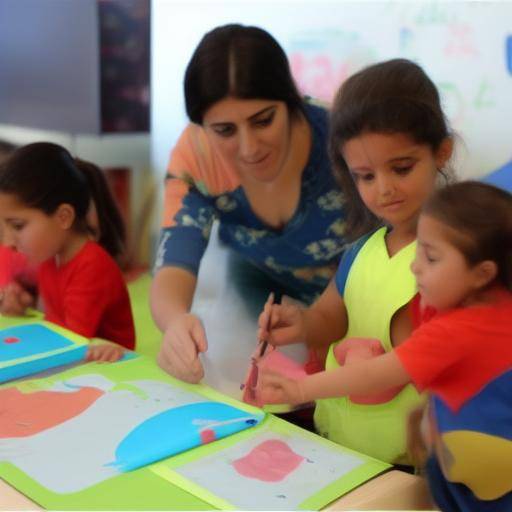
Cultural exchange at school is critical to promoting diversity, intercultural understanding and respect for other cultures. In this article, we will explore how to effectively promote cultural exchange in the educational environment, with the aim of enriching the experience of students, promoting inclusiveness and mutual understanding. From its historical importance to practical advice and future trends, this article will provide a comprehensive and insightful view on the subject.
Introduction
Cultural exchange at school is more than just an exhibition of foreign traditions and customs. It is a vehicle to cultivate respect, empathy and appreciation of diversity, essential skills in a globalized world. In this section, we will explore the benefits of promoting cultural exchange in the school environment and how this influences the integral development of students.
History and Background
The promotion of cultural exchange in school has its roots in the recognition of the wealth of cultural diversity and its impact on society. From antiquity to present, the interaction between different cultures has enriched the global landscape. We will explore the key milestones in the history of cultural exchange, from old trade routes to contemporary student exchange programs.
Analysis in Deep
We will address the benefits of cultural exchange in the school environment, including the development of social skills, the promotion of empathy and intercultural understanding. In addition, we will analyze the challenges and obstacles that may arise in fostering cultural exchange in school, as well as the current trends that influence this educational field.
Comprehensive review
We will explore the various ways in which schools can implement effective cultural exchange programs, from the integration of diversified curriculums to the holding of cultural events. In addition, we will present the views of experts and their perspectives on the future of cultural exchange in education.
Comparative analysis
We will compare the promotion of cultural exchange with other educational and cultural practices, highlighting key similarities and differences. This analysis will provide a deeper understanding of how cultural exchange distinguishes and complements conventional educational practices.
Practical Tips and Accessible Tips
We will present practical advice to implement cultural exchange programs at school, including how to overcome potential challenges and maximize benefits for students. These councils will be supported by real examples and expert recommendations in the field.
Industry Perspectives and Expert Reviews
We will gather valuable perspectives of experts, which offer a profound and up-to-date view on promoting cultural exchange in the educational environment. These perspectives will give a wide range of approaches and strategies to enrich the educational experience through cultural exchange.
Case Studies and Practical Applications
We will highlight concrete examples of how schools have successfully implemented cultural exchange programmes, as well as the observed results and lessons learned. These cases will provide inspiration and guidance for institutions seeking to incorporate similar initiatives.
Future Trends and Predictions
Finally, we will explore emerging trends in promoting cultural exchange at school, as well as predictions on how this field will evolve in the future. These reflections will provide valuable information for those who wish to keep up with progress in intercultural education.
Conclusions
In closing, we will summarize the key points of this article, reinforcing the importance and benefits of promoting cultural exchange at school. In addition, the importance of continuing to explore this topic will be highlighted and how its implementation can enrich the educational experience of students.
Frequently asked questions
1. Why is it important to foster cultural exchange in school?
Promoting cultural exchange at school is crucial to cultivating diversity appreciation, promoting empathy and preparing students to interact in a globalized world. It also contributes to the development of social skills and offers a broader perspective on the world around us.
2. How can schools overcome the challenges by implementing cultural exchange programs?
Challenges in implementing cultural exchange programmes may include resistance to change, logistics of coordinating intercultural activities and ensuring equitable participation. Schools can overcome these challenges through the commitment of the entire school community, adequate planning and staff training.
3. To what extent does cultural exchange influence student academic performance?
Cultural exchange not only enriches educational experience, but has also shown a positive contribution to academic performance. Exposure to different perspectives and learning methods can stimulate critical thinking and foster greater participation.
4. What role do parents play in promoting cultural exchange at school?
Parents play a key role in supporting and participating in cultural exchange activities. Their involvement reinforces the message of inclusion and diversity that is promoted at school, in addition to enriching the educational process of their children.
5. What is the long-term impact of promoting cultural exchange in school?
The long-term impact of the promotion of cultural exchange at school is reflected in the attitude of students towards diversity, their ability to adapt to diverse environments and their willingness to participate in intercultural dialogues. These skills are valuable in the world of work and in society at large.
6. How can schools evaluate the effectiveness of their cultural exchange programmes?
Schools can assess the effectiveness of their cultural exchange programmes through student and parent surveys, participatory data analysis and monitoring of inclusion and diversity indicators in the school environment.
Conclusively, the promotion of cultural exchange in school is essential to preparing students for the multicultural world in which we live. By providing inclusive and open education to intercultural understanding, schools can make a significant difference in the lives of their students, laying the foundations for a more comprehensive and collaborative society.