The educational world is constantly evolving, and the integration of group dynamics into the school curriculum has become a key aspect for student development and learning. In this article, we will thoroughly explore how the integration of group dynamics into the school curriculum benefits students, as well as how to effectively implement these activities. From its historical importance to future trends, this article will provide a complete view of the topic, highlighting its relevance in contemporary education.
History and Background
Group dynamics in the educational context have their roots in active pedagogy and participatory learning approaches that emerged in the early twentieth century. At that time, pedagogues like John Dewey advocated the importance of experiential learning and the social and emotional development of students. This pedagogical current laid the basis for the integration of group dynamics into the school curriculum.
In the 1960s, with the rise of the humanist approach to education, group dynamics became more relevant, as the value of social interaction in the learning process was recognized. As educational psychology expanded its approach to the integral development of the student, group dynamics became a valuable resource for fostering group cohesion, empathy, collaboration and conflict resolution.
Analysis in Deep
Group dynamics in the school curriculum offer a number of significant benefits for students. Promote the development of social skills, such as effective communication, teamwork, empathy and emotional management. They also contribute to strengthening self-esteem, trust and emotional resilience. Such skills are fundamental to the academic, professional and personal life of students.
However, the implementation of group dynamics also poses challenges, such as managing the diversity of personalities, conflict prevention or ensuring the equal participation of all students. It is essential that teachers possess the necessary tools to address these challenges and maximize the benefits of these dynamics.
Comprehensive review
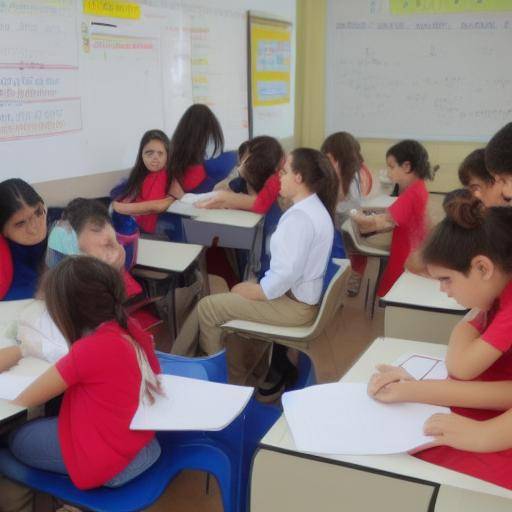
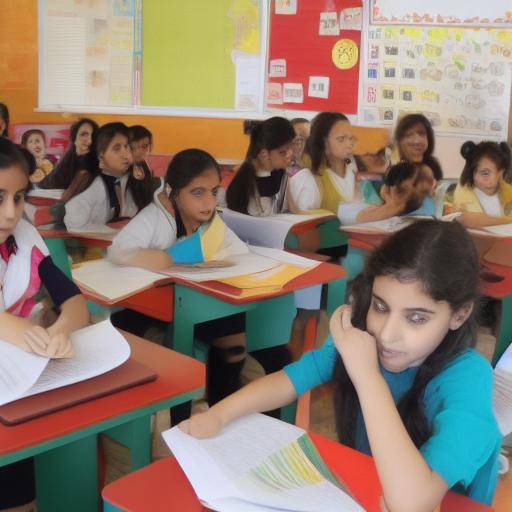
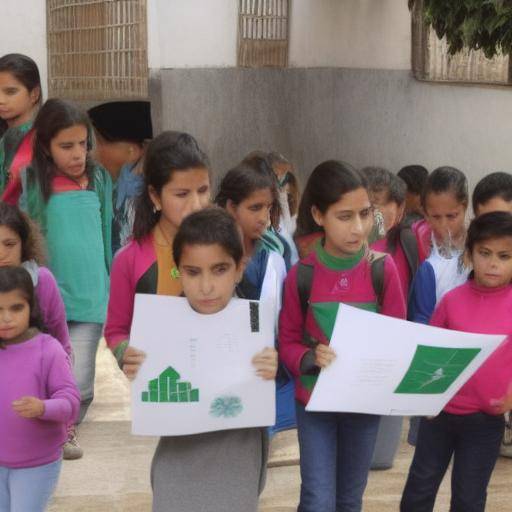
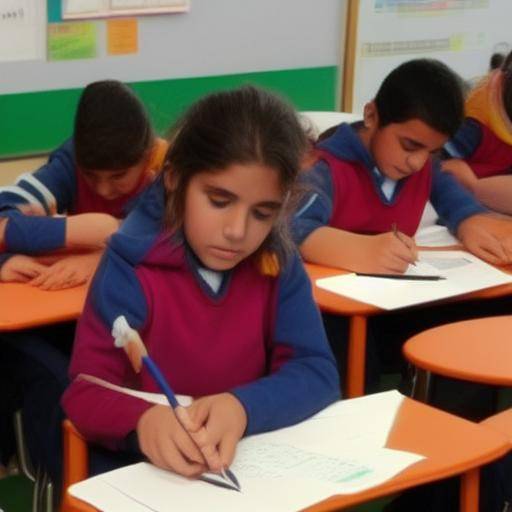
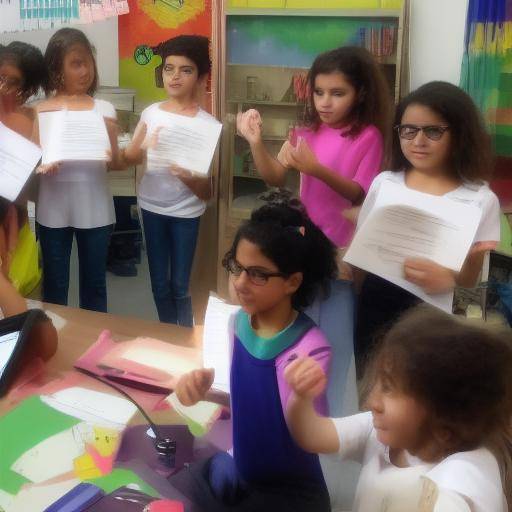
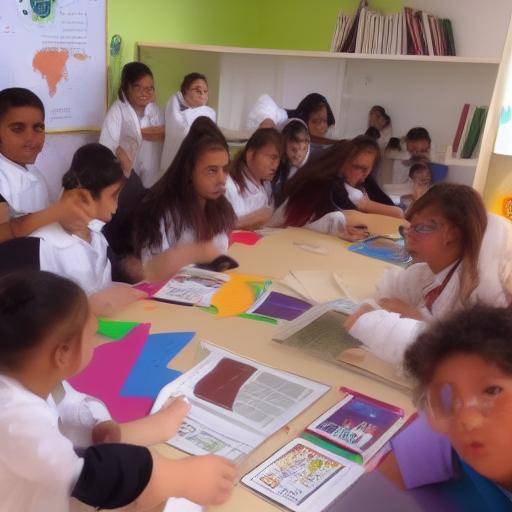
The integration of group dynamics into the school curriculum can be carried out through multiple approaches. Some effective strategies include the incorporation of problem-solving dynamics, the promotion of group discussions, collaborative projects and the promotion of activities that strengthen cohesion and the sense of community in the classroom.
In addition, it is essential that teachers receive training in the implementation of these dynamics, as well as in evaluating their effectiveness. Once integrated into the curriculum, these activities must be monitored and adjusted to ensure their continued suitability and relevance. The feedback of students also plays a crucial role in this process.
Comparative analysis
The integration of group dynamics, group dynamics themselves and the school curriculum are intrinsically interconnected. The development of social skills through group dynamics directly strengthens the effective implementation of the school curriculum. A curriculum enriched with group dynamics allows the integral development of students, preparing them to face the challenges of the real world more effectively.
Practical Tips and Accessible Tips:
- Develop a variety of group dynamics that address different skills, such as active listening, group decision-making, conflict resolution and creativity.
- Provide safe and supportive spaces where students can freely participate in group dynamics.
- It promotes a culture of respect, tolerance and collaboration among students, thus promoting an enabling environment for group dynamics.
Conclusions and Frequent Questions
Why is it important to integrate group dynamics into the school curriculum?
The integration of group dynamics into the school curriculum is fundamental, as it promotes the development of social, emotional and cognitive skills in students. It also strengthens group cohesion, empathy and conflict resolution, preparing students to face the challenges of the real world more effectively.
How can teachers ensure the equal participation of students in group dynamics?
Teachers can promote equitable participation by setting clear rules for group dynamics, providing individualized feedback and making adjustments to dynamics where necessary. In addition, the creation of an inclusive and supportive environment is essential to ensuring the equal participation of all students.
What specific benefits do group dynamics offer in student learning?
Group dynamics promote the development of social skills, effective communication, teamwork, problem solving, collective decision-making and creativity. These skills are fundamental to the integral development of students and their preparation for personal and professional life.
How can teachers evaluate the effectiveness of group dynamics integrated in the school curriculum?
Teachers can evaluate the effectiveness of group dynamics through direct observation, feedback from students, review of products or results generated by dynamics, as well as by comparing levels of participation and collaboration before and after the implementation of dynamics.
What is the long-term impact of the integration of group dynamics into the school curriculum?
The integration of group dynamics into the school curriculum has a significant long-term impact, as it strengthens the social and emotional skills of students, preparing them to face the challenges of the real world more effectively. In addition, it promotes inclusion, collaboration and resilience in students, key aspects for their personal and professional development.
How can teachers address potential challenges by integrating group dynamics into the school curriculum?
Teachers can address potential challenges by integrating group dynamics through ongoing training and training in group dynamics facilitation strategies, early identification of potential conflicts or challenges, as well as the establishment of clear protocols for conflict management.
In short, the integration of group dynamics into the school curriculum represents an invaluable opportunity to enrich the educational experience of students. By promoting the development of social, emotional and cognitive skills, these dynamics foster a comprehensive education that prepares students to face the challenges of the real world with confidence and resilience. With proper implementation and continued support, group dynamics can positively transform classroom dynamics and student development.