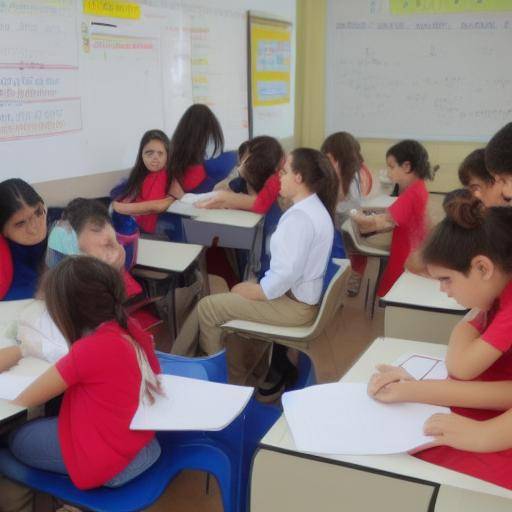
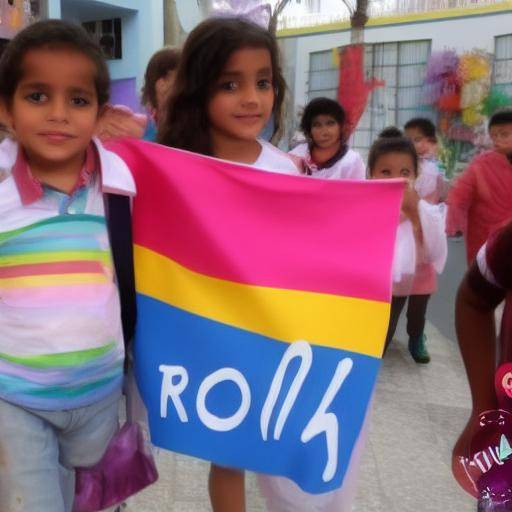
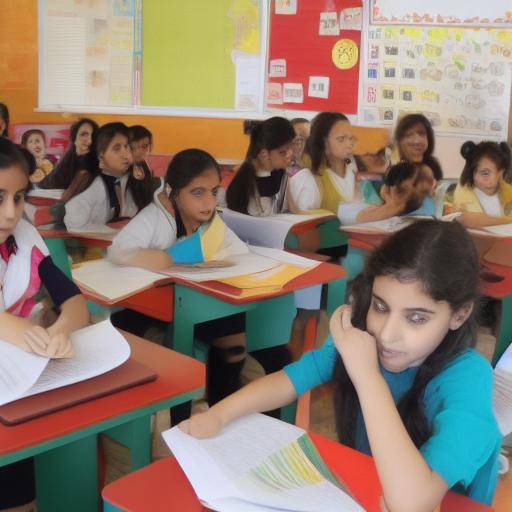
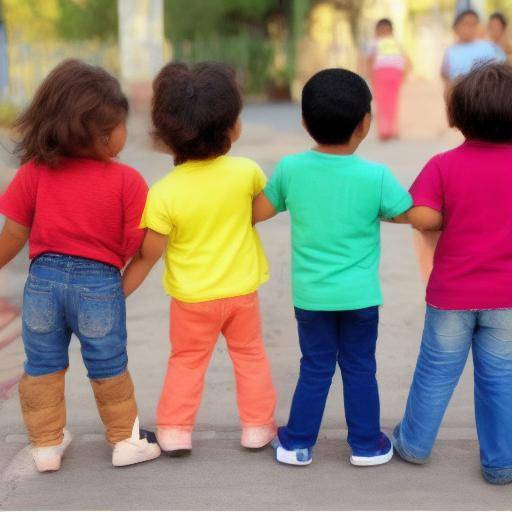
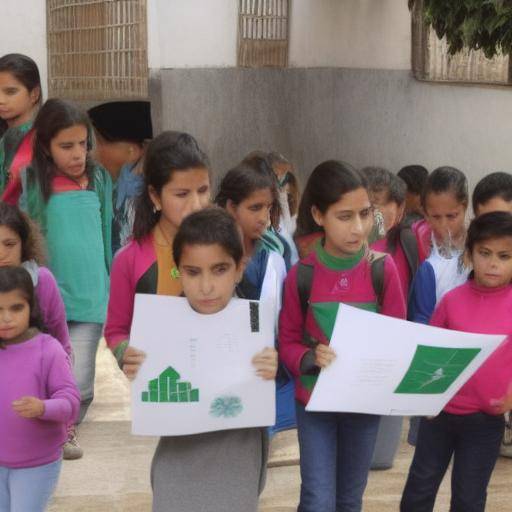
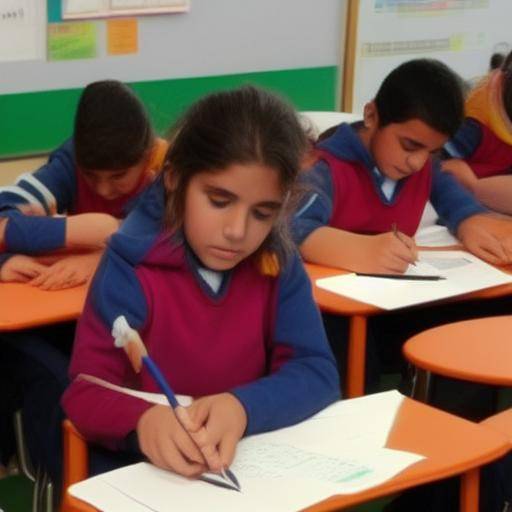
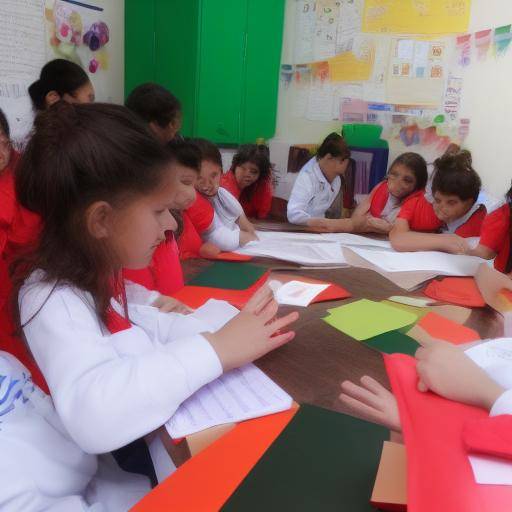
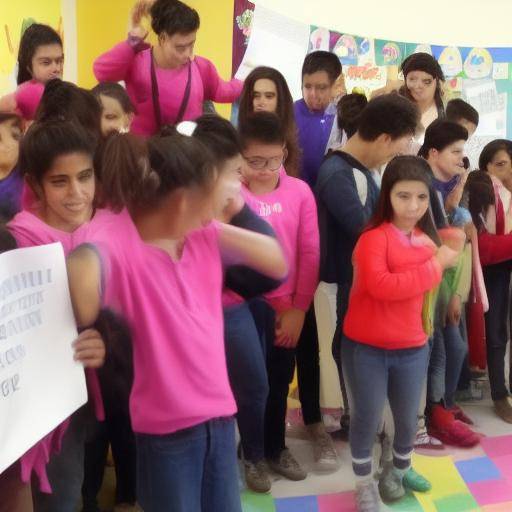
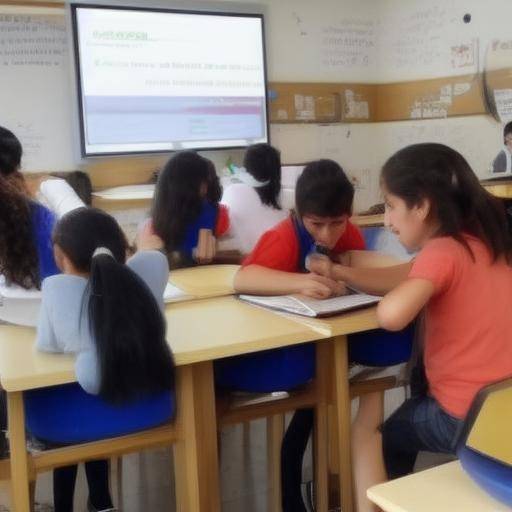
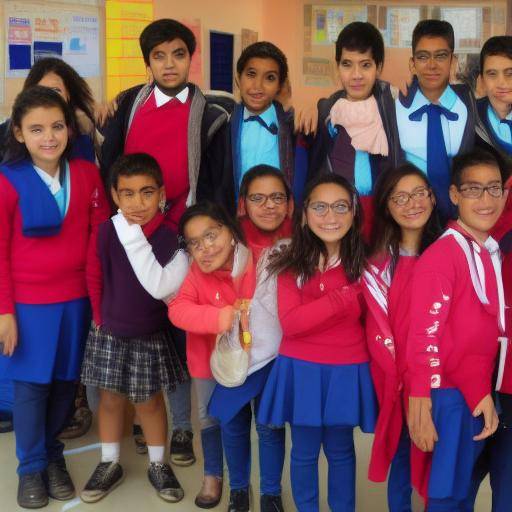
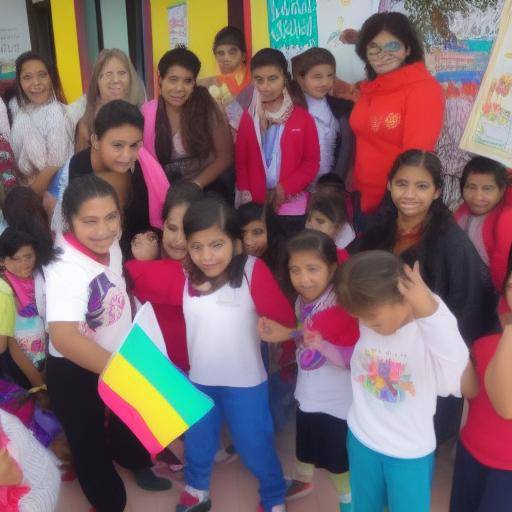
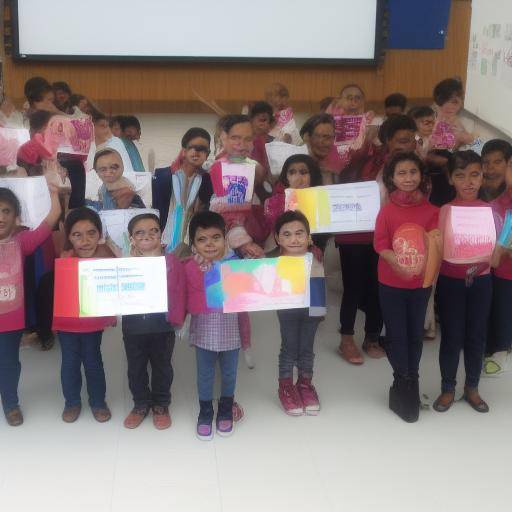
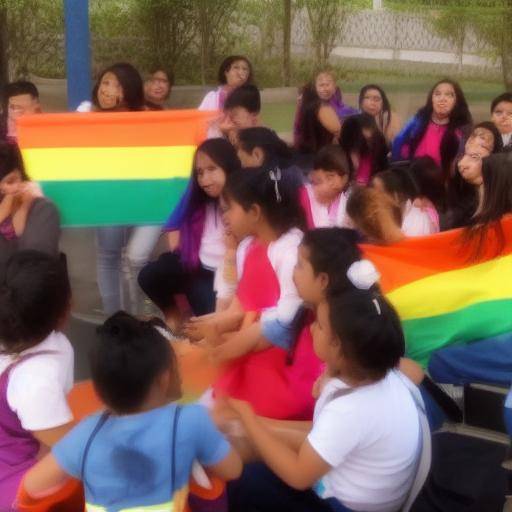
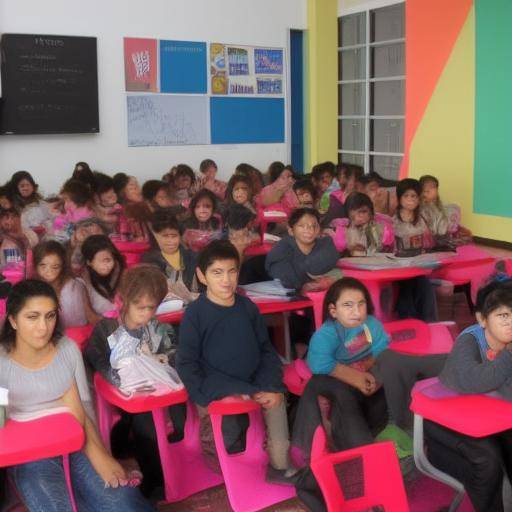
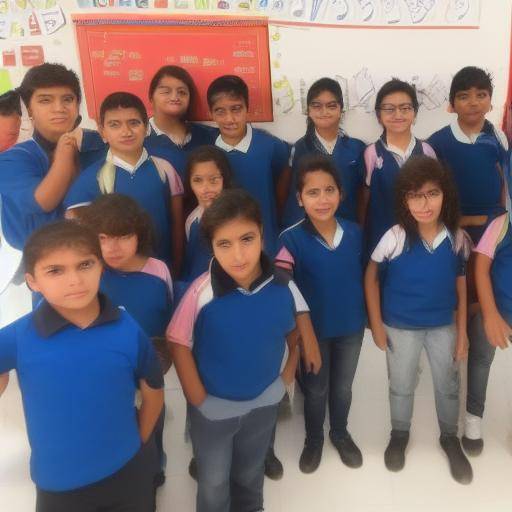
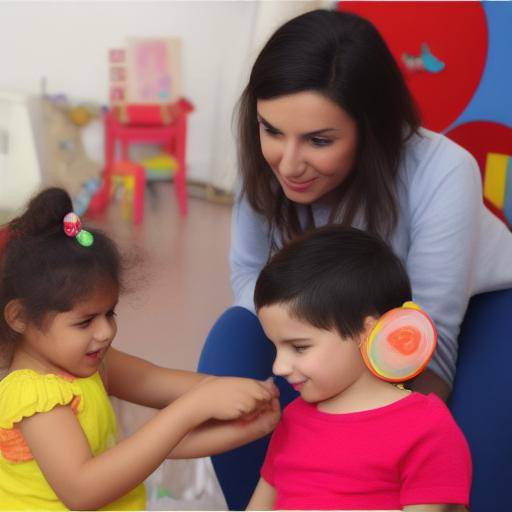
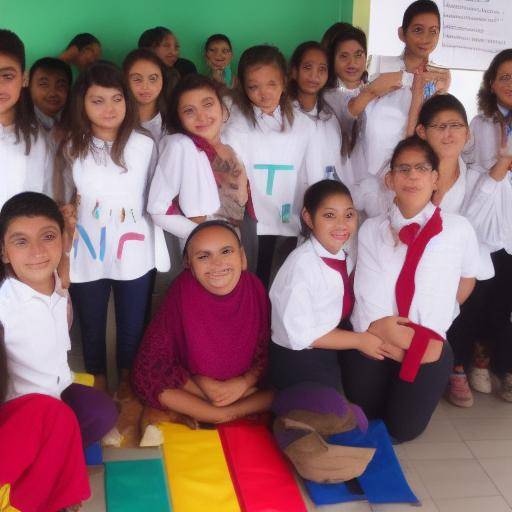
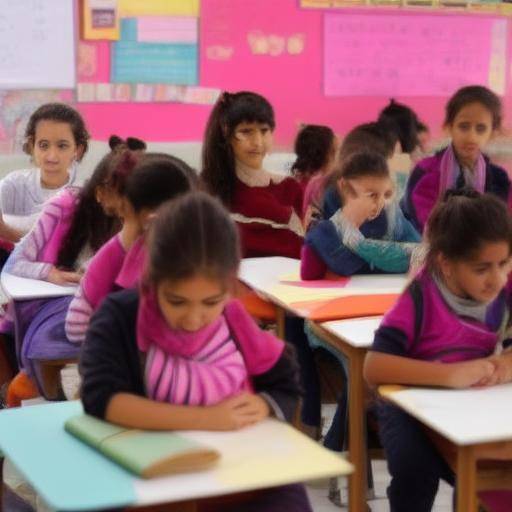
At present, cultural diversity is a fundamental element that enriches society and hence language teaching. Integrating cultural diversity into the language teaching process not only promotes intercultural understanding, but also enriches the learning experience of students. In this article, we will explore in detail how to effectively integrate cultural diversity into language teaching, examining its importance, benefits, challenges, strategies and future trends.
Introduction
Language learning has become a vital need in a globalized and diverse world. The effective integration of cultural diversity in language teaching not only promotes the acquisition of linguistic skills, but also promotes intercultural sensitivity and respect for differences. In this regard, reflection on how to address cultural diversity in the language classroom becomes a crucial aspect for educators and students alike.
History and Background
The relationship between cultural diversity and language teaching has deep historical roots. From antiquity to the modern era, the evolution of language teaching has been closely linked to intercultural interaction. By exploring the contributions of different civilizations to linguistic and cultural diversity, we can better understand the importance of integrating cultural diversity in linguistic education.
Historical Importance of Cultural Diversity in Language Teaching
Cultural diversity has been a determining factor in the evolution of languages throughout history. From ancient trade routes to colonial empires, interaction between cultures has enriched and transformed languages. This exchange has left an indelible mark on linguistic diversity, which underlines the importance of teaching and learning languages with an intercultural approach.
Significant Milestones and Developments
The emergence of educational approaches focused on cultural diversity has marked a significant milestone in language teaching. The recognition of diversity as an asset in the classroom has led to the revision and reformulation of traditional pedagogical approaches. The inclusion of cultural diversity in language programmes has been a crucial step towards more inclusive education.
El Rol de los Educadores y Pioneros en la Integración Cultural
The role of educators and pioneers in cultural integration in language teaching has been fundamental. Through their contributions, methodologies and resources have been developed that promote cultural and linguistic sensitivity in the classroom. These professionals have paved the way for cultural diversity to take a central place in linguistic education.
Analysis in Deep
The effective integration of cultural diversity in language teaching entails a number of benefits and challenges that merit detailed evaluation.
Benefits of Integrating Cultural Diversity in Language Teaching
The integration of cultural diversity in language teaching offers a wide range of benefits for both students and society as a whole. In fostering intercultural understanding, empathy, tolerance and respect are promoted, fundamental aspects of an increasingly diverse and globalized world. In addition, exposure to different cultures enriches the learning experience, providing students with a broad and enriching perspective.
Challenges and Obstacles in Cultural Integration
Despite the obvious benefits, the integration of cultural diversity in language teaching presents significant challenges. The adaptation of materials and methodologies, the intercultural awareness of teachers and the management of cultural conflicts are only some of the obstacles faced by educators. Overcoming these challenges requires a proactive approach and a deep understanding of the complexities of cultural diversity in the classroom.
Current Trends and Futures
Current trends in integrating cultural diversity into language teaching reflect a more inclusive and equitable approach. Language programmes and educational materials are evolving to more accurately reflect the ethnic, linguistic and cultural diversity of society. In addition, technology is playing a crucial role in facilitating intercultural interaction and access to diverse educational resources. Looking forward, cultural integration in language teaching is expected to remain a priority area, in line with the growing global interconnection and the evolving diversity.
Comprehensive review
The detailed analysis of approaches, strategies and examples of good practices provides an integral view of integrating cultural diversity into language teaching.
Effective Approaches to Integrating Cultural Diversity
Different educational approaches have proved to be effective in integrating cultural diversity in language teaching. The approach to intercultural competition, experience-based learning, the inclusion of literature and media from different cultures, and the promotion of empathy and cultural awareness are key strategies that promote cultural integration into the classroom.
Case Studies and Best Practices
The analysis of case studies that illustrate the successful integration of cultural diversity into language programmes provides concrete examples of good practices. These cases highlight the importance of developing inclusive environments, providing opportunities for cultural exchange and adopting an interdisciplinary approach that transcends cultural barriers.
Perspectives of Experts and Future Vision
The vision of experts in the field of language teaching and cultural diversity sheds light on emerging strategies, outstanding challenges and future opportunities. Expert recommendations on how to address cultural diversity in linguistic education provide a valuable guide for policymakers and educators.
Comparative analysis
The comparison between the integration of cultural diversity and language teaching provides a detailed view of the similarities, differences and possible synergies between these areas.
Parallelisms and Differences in Cultural Integration and Language Teaching
While the integration of cultural diversity and language teaching share the goal of promoting understanding and domination of other languages, there are significant differences in pedagogical approaches and inherent challenges. Cultural integration focuses on promoting intercultural sensitivity and respect for diversity, while language teaching focuses on linguistic dominance and effective communication.
Synergies and Opportunities for Cultural Integration in Language Teaching
Despite differences, cultural integration in language teaching presents significant opportunities to apply innovative intercultural approaches, promote multilingualism and promote cultural awareness. The synergy between cultural integration and language teaching can enrich educational experience and prepare students to participate in a diverse and globalized world.
Practical Tips and Accessible Recommendations
Providing practical advice and actionable recommendations is essential to support educators and students in the effective integration of cultural diversity in language teaching.
Effective Strategies for Cultural Integration in Language Education
Providing educators with concrete strategies to incorporate cultural diversity into the classroom is essential to promote an inclusive and enriching environment. The implementation of intercultural activities, the selection of diversified materials and the promotion of intercultural dialogue are effective strategies that can enrich language teaching.
Prácticos para Fomentar la Sensibilidad Cultural
Providing practical steps to promote cultural sensitivity among students is essential to promote harmonious intercultural interaction in the classroom. Promoting mutual respect, reflecting exploration of diverse cultural perspectives and fostering empathy are strategies that can strengthen intercultural understanding.
Educational Resources and Diversified Materials
The selection of educational resources and diversified materials in language teaching is essential to reflect the cultural and linguistic diversity of society. The inclusion of literature, music, cinema and media from different cultures broadens students' perspectives and promotes a wider understanding of cultural expressions through language.
Industry Visions and Reviews
The views of industry and experts in linguistic education and cultural diversity provide a valuable insight into emerging trends and future implications.
Expert perceptions on the Future of Cultural Integration in Language Teaching
Expert views highlight the importance of solid cultural integration in linguistic education to prepare students for a diverse and globalized world. Experts emphasize the need to promote intercultural competition, promote linguistic equity and facilitate access to diverse educational resources to promote more inclusive and enriching intercultural education.
Emerging trends in Language Education and Cultural Diversity
Emerging trends in language teaching and the integration of cultural diversity reflect greater attention to equity, inclusion and intercultural awareness. The integration of intercultural perspectives in language teaching, the development of intercultural educational resources and the emphasis on intercultural competition are key areas of focus that are gaining importance in industry.
Case Studies and Practical Applications
Case studies and practical applications specifically illustrate how the integration of cultural diversity in language teaching translates into enriching and effective educational experiences.
Successful Cases of Cultural Integration in Language Teaching
Successful cases of cultural integration in language teaching highlight effective strategies, positive results and lessons learned that highlight the importance of promoting an intercultural dimension in linguistic education. These cases show that strong cultural integration can enrich the educational experience and prepare students for a diverse world.
Lessons Learned and Recommendations Based on Practice
Lessons learned from real cases offer valuable ideas and practical-based recommendations for educators, educational institutions and policymakers. These lessons provide concrete guidelines for promoting cultural integration in diverse educational settings and fostering more inclusive and enriching linguistic education.
Future Trends and Predictions
The analysis of future trends and predictions related to the integration of cultural diversity in language teaching provides a insightful insight into the challenges and opportunities presented in this evolving area.
Emerging Trends Related to Cultural Integration in Linguistic Education
Emerging trends highlight the growing focus on the development of intercultural educational resources, the promotion of intercultural competition, and the emphasis on multilingualism as key drivers of more inclusive linguistic education. These trends reflect a future in which cultural integration in language teaching will be a central component of more equitable and enriching intercultural education.
Future Challenges and Prognoses
Prognoses based on current trends and future projections offer a holistic view of the challenges and opportunities facing the integration of cultural diversity in language teaching. These forecasts highlight the importance of addressing challenges such as linguistic equity, intercultural inclusion and the development of diverse educational resources to promote more just and enriching linguistic education in the future.
Conclusions
In conclusion, the effective integration of cultural diversity in language teaching is a crucial aspect of promoting more inclusive and enriching linguistic education. Through reflection on historical importance, benefits, challenges, good practices, future prospects and practical applications, the need to foster a strong intercultural dimension in linguistic education to prepare students for a diverse and globalized world is emphasized.
This article provides a comprehensive and detailed overview of how to integrate cultural diversity in language teaching, providing valuable insights, effective strategies and in-depth perspectives for educators, students and educational professionals.
Frequently asked questions
Why is it important to integrate cultural diversity into language teaching?
The integration of cultural diversity in language teaching is crucial to promoting intercultural competition, cultural sensitivity and respect for diversity, preparing students to participate in a diverse and globalized world.
What are the most common challenges in integrating cultural diversity in language teaching?
Common challenges include the adaptation of materials and methodologies, the intercultural awareness of teachers and the management of cultural conflicts in the classroom.
What strategies can educators use to integrate cultural diversity in language teaching?
Educators can employ strategies such as the implementation of intercultural activities, the selection of diversified materials and the promotion of intercultural dialogue to promote cultural integration in the classroom.
What are future trends related to cultural integration in language teaching?
Future trends include an approach to the development of intercultural educational resources, the promotion of intercultural competition and the emphasis on multilingualism as key drivers of more inclusive linguistic education.
What impact does integration of cultural diversity have on the teaching of languages in society?
The integration of cultural diversity in language teaching promotes intercultural understanding, empathy, tolerance and respect, contributing to a more inclusive and multiculturally competent society.
How can students benefit from the integration of cultural diversity in language teaching?
Students can benefit by enriching their learning experience, developing a broad intercultural perspective and acquiring skills to participate in a diverse and globalized world.
Conclusion The effective integration of cultural diversity in language teaching is essential for promoting more inclusive and enriching linguistic education. In understanding the historical importance, benefits, challenges, good practices, future trends and practical applications of cultural integration in the teaching of languages, educators and students can foster a strong intercultural dimension in the classroom and prepare for a diverse and globalized world.